

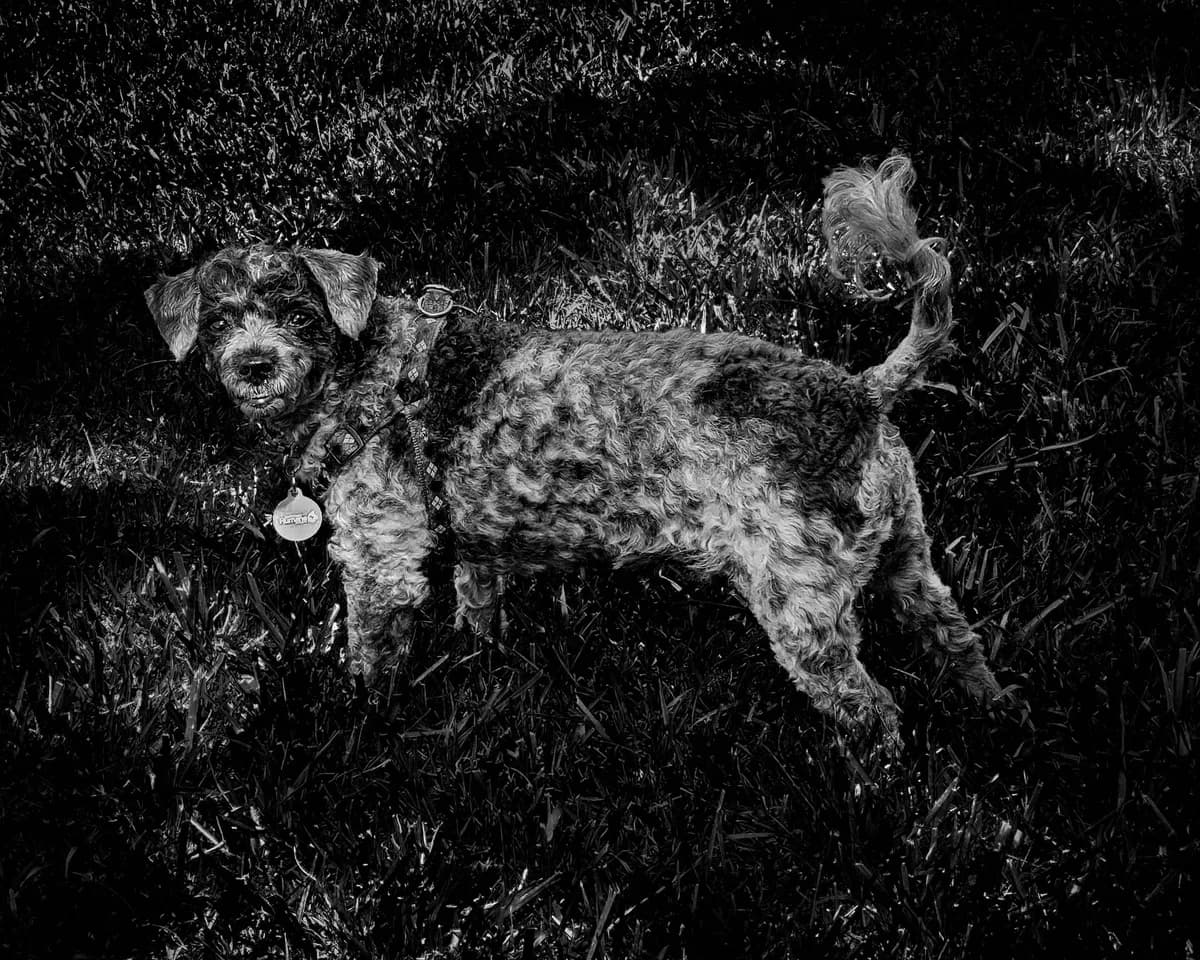
Catrine Henriksson works as a specialist nurse at an elderly care home in Finspång, and she has used therapy dogs for the past 15 years to spread joy and love among the residents. According to SVT Östergötland, Catrine Henriksson described that dogs do not care about how people look or who they are, as they like the person who likes them. There are several advantages to using therapy dogs, including activating residents through play and walks, as noted by Catrine Henriksson.
Therapy dogs contribute to the release of the hormone oxytocin, which spreads calm and joy, she added. The effect of oxytocin can last for a while, but varies in how long it stays in the body; according to SVT Östergötland, Catrine Henriksson described that it varies how it stays in the body, but it is a while at least, and then you have to come back after a couple of days. Therapy dog work is not unique to elderly care homes; it occurs in prisons, schools, and care institutions across the country, according to official sources.
Dogs don't care about how you look or who you are. They like the person who likes them.
The use of therapy dogs has increased in recent years, Catrine Henriksson said, though specific evidence supporting this claim is not detailed. It remains unknown how many elderly care homes or other institutions currently use therapy dogs in Sweden, and what measurable health outcomes or studies back the benefits of therapy dogs in elderly care.
It varies how it stays in the body, but it's a while at least. Then you have to come back after a couple of days.