

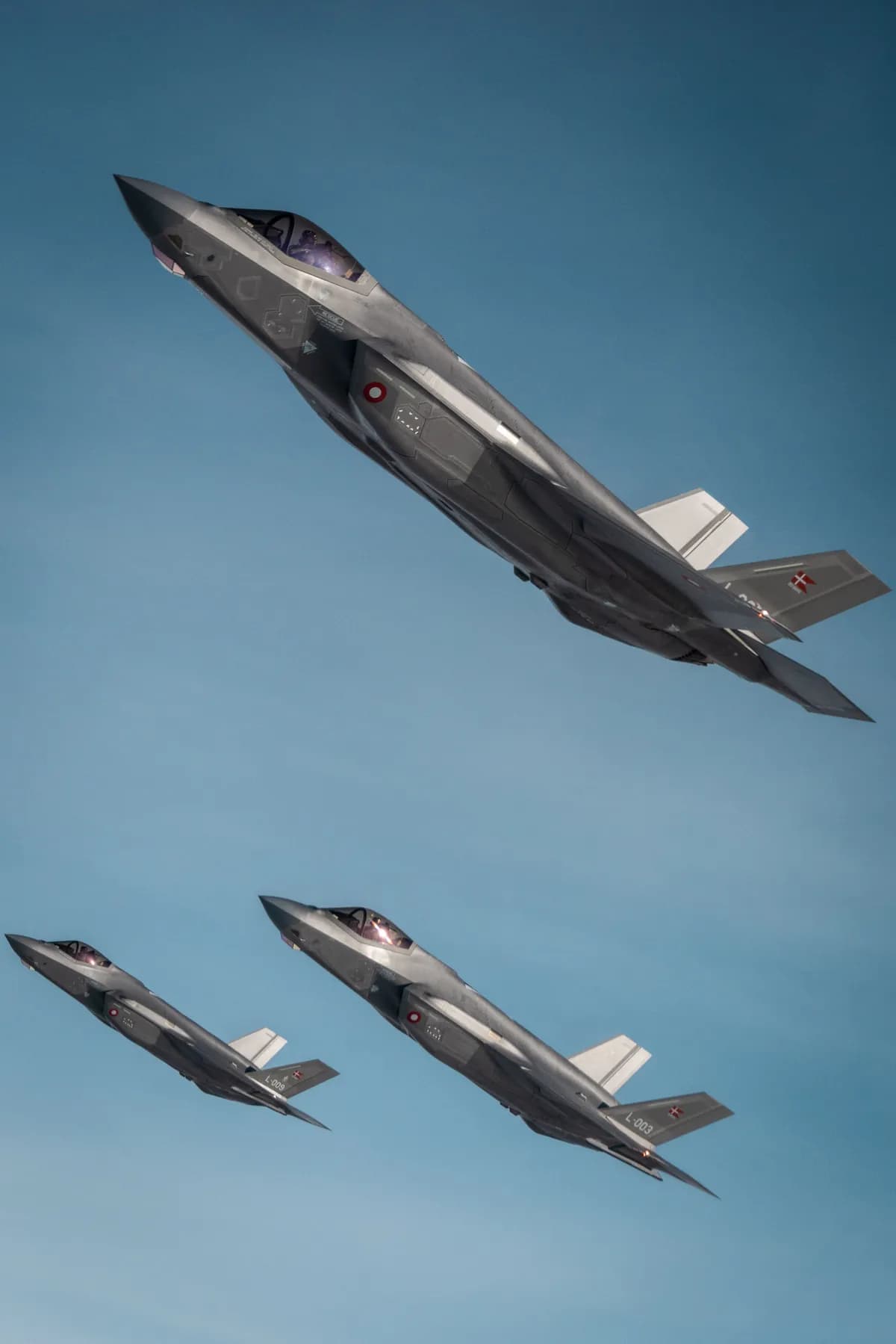
The collision occurred because the pilots were taking pictures and videos, South Korean authorities stated. The incident took place during a flight mission in Daegu, according to Seoul's Board of Audit and Inspection. The wingman pilot wanted to take photos to commemorate his last flight with his unit, multiple reports indicate. He declared his intent to take photos in a pre-flight briefing, the audit board report noted. The pilot was flying the wingman aircraft and following the lead aircraft. While flying back to base, the wingman pilot started taking pictures with his personal phone. The lead aircraft pilot asked another pilot on his plane to film a video of the wingman aircraft. In response, the wingman pilot abruptly flew higher and flipped his jet to be better captured on camera. This maneuver brought the two planes very close together. The lead aircraft tried to rapidly descend to avoid a crash. Despite this evasive action, the two F-15K jets collided, damaging the lead aircraft's left wing and the wingman aircraft's tail stabilizer.
The pilots survived with no injuries. The collision damaged the planes, costing 880 million won in repairs. One pilot, who has since left the military, was fined 88 million won. South Korea's air force suspended the wingman pilot, who later left the military to work for a commercial airline. The pilot appealed the fine, prompting an investigation by the audit board.
Taking photos of significant flights was 'a widespread practice among pilots at the time'.
The wingman pilot acknowledged his sudden maneuver led to the collision. The audit board ruled the wingman pilot should pay only a tenth of what the air force sought. The board considered the wingman pilot's good prior track record and his prompt safe return of the aircraft to base. According to BBC News, the wingman pilot described the lead aircraft pilot as having tacitly consented to the maneuver since he was aware that filming was taking place. This argument raised questions about shared responsibility for the incident.
Taking photos of significant flights was a widespread practice among pilots at the time, the audit board said in an official statement. The audit board also stated the air force should bear some responsibility for not properly regulating pilots' personal use of cameras. It remains unclear what specific safety regulations or policies regarding personal device use by pilots were in place at the time of the incident. The extent to which other pilots were involved in similar photo-taking practices, and whether any other incidents were reported, has not been disclosed. Disciplinary actions against the lead aircraft pilot or other personnel involved have not been detailed publicly. Changes implemented by the South Korean air force to prevent such incidents in the future, and the current status of the wingman pilot's employment with the commercial airline, are also unknown.
The lead aircraft's pilot had 'tacitly consented' to the maneuver since he was aware that filming was taking place.