

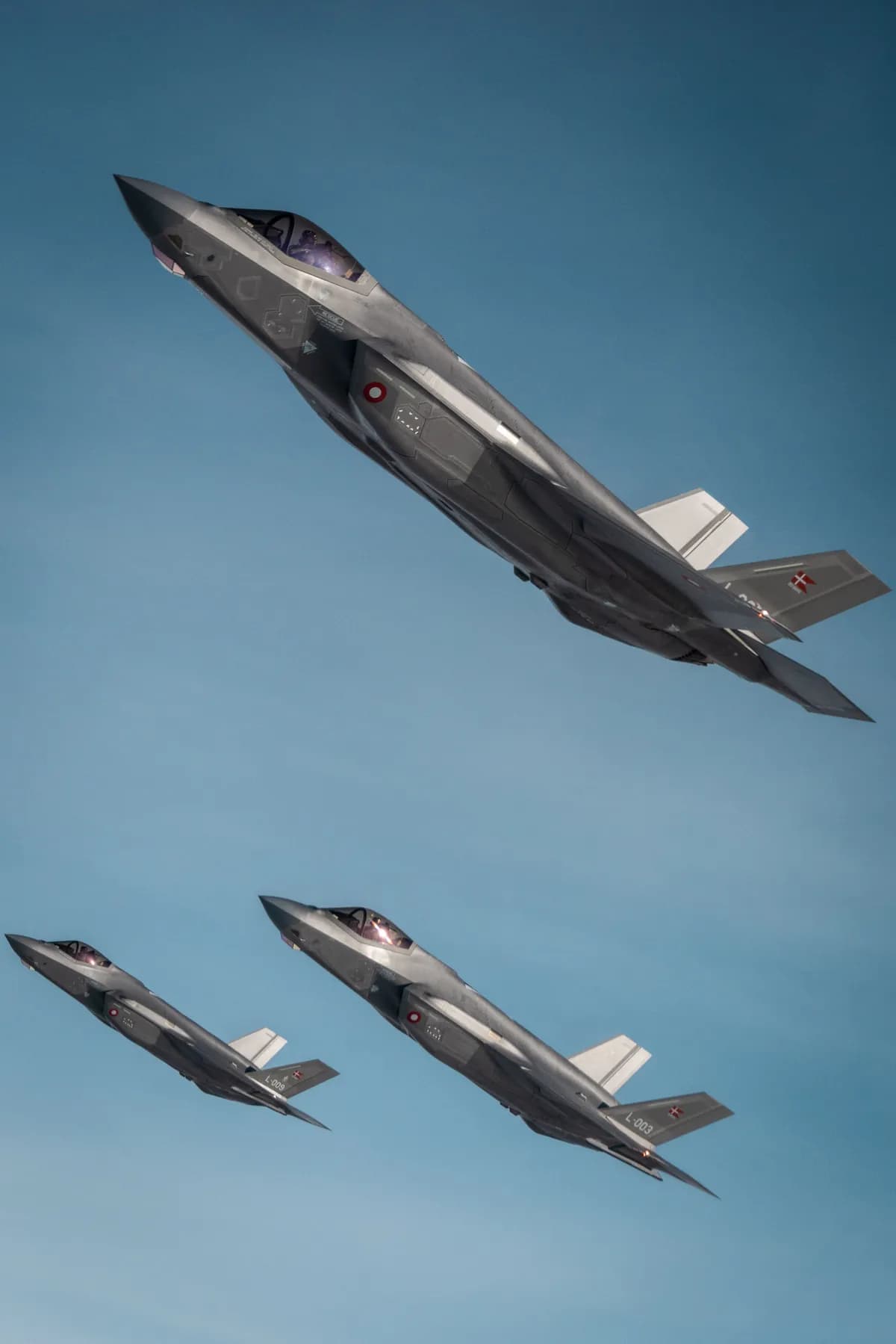
The incident occurred because a pilot wanted to commemorate his last flight with his military unit by taking photos, as reported by major media. In a briefing before the flight, he declared his intent to take photos. During the mission, he was flying the wingman aircraft and following the lead aircraft. While returning to base, he started taking pictures using his personal mobile phone. Upon noticing this, the pilot of the lead aircraft asked another pilot on his plane to film a video of the wingman aircraft. The wingman pilot then abruptly flew his jet higher and flipped it to be better captured on camera, a manoeuvre that brought the two planes very close. To avoid a crash, the lead aircraft tried to rapidly descend, but the two F-15K jets eventually collided, damaging the lead aircraft's left wing and the wingman aircraft's tail stabiliser.
The collision caused 880 million won ($596,000; £440,500) in repair costs to the military. South Korea's air force suspended the wingman pilot, who has since left the military to work for a commercial airline, and he was initially made to pay a fine of 88 million won. When he appealed against the fine, it prompted an investigation by Seoul's Board of Audit and Inspection. The wingman pilot acknowledged his sudden manoeuvre led to the collision, but he argued that the lead aircraft's pilot had tacitly consented since he was aware filming was taking place.
The audit board found that taking photos of significant flights was a widespread practice among pilots at the time. It eventually ruled that the wingman pilot should only pay a tenth of what the air force sought. According to the board, the air force should bear some responsibility for not properly regulating pilots' personal use of cameras. The board also took into account that the wingman pilot had a good track record prior to the incident and that he managed to prevent further damage by promptly commandeering a safe return of his aircraft to the base.