

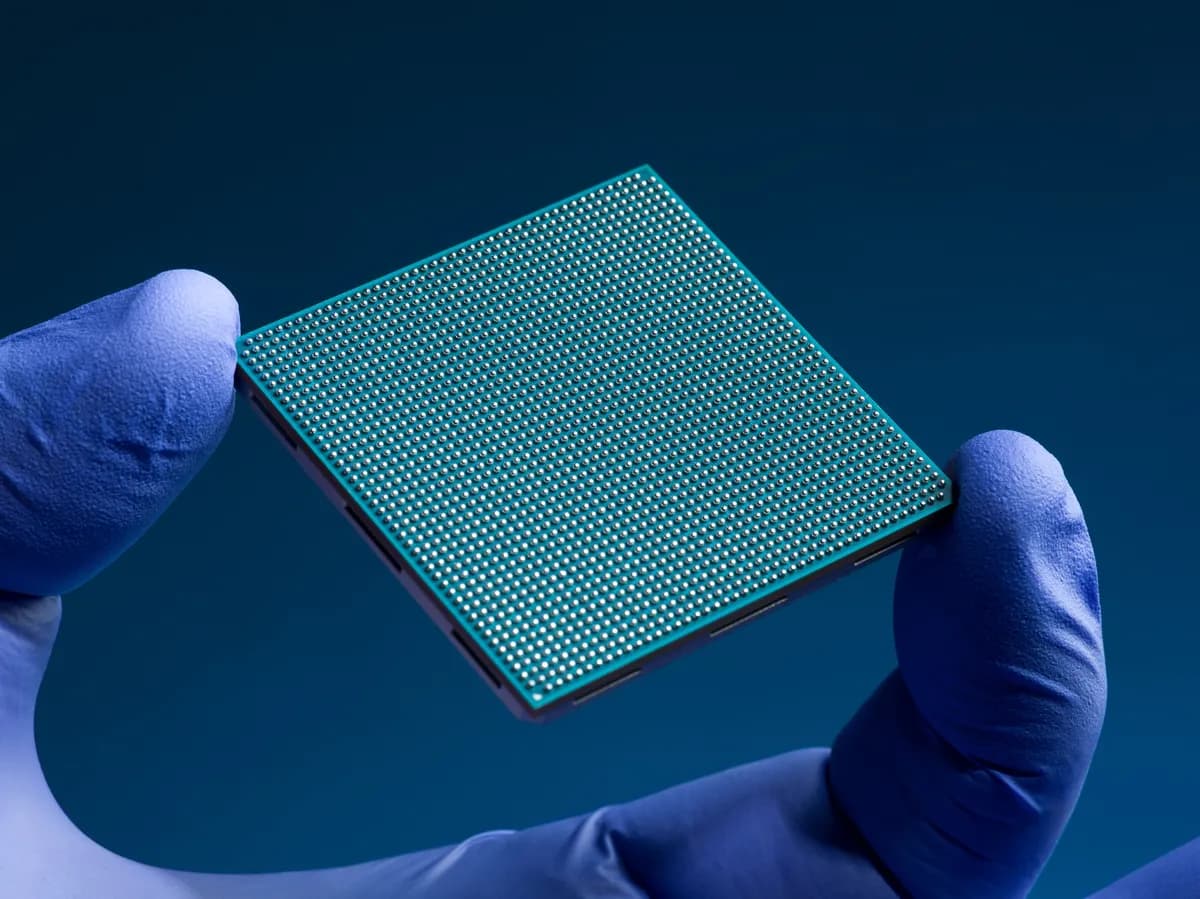
The radiation-hardened processor is designed to withstand harsh space conditions, including high-energy particles from the Sun and interstellar space that can cause errors and send spacecraft into safe mode, NASA said. Testing at the Jet Propulsion Laboratory (JPL) began in February and will continue for several months, with the processor undergoing radiation, thermal, and shock tests. Eugene Schwanbeck, program element manager in NASA's Game Changing Development program, said the multicore system is fault-tolerant, flexible, and extremely high-performing.
Jim Butler, project manager at JPL, noted that the team is putting the chips through rigorous tests and using high-fidelity landing scenarios from real NASA missions to simulate performance. The processor is built by Microchip Technology Inc. It remains unclear when the processor will be deployed on actual missions or which spacecraft will use it.
Building on the legacy of previous space processors, this new multicore system is fault-tolerant, flexible, and extremely high-performing.