

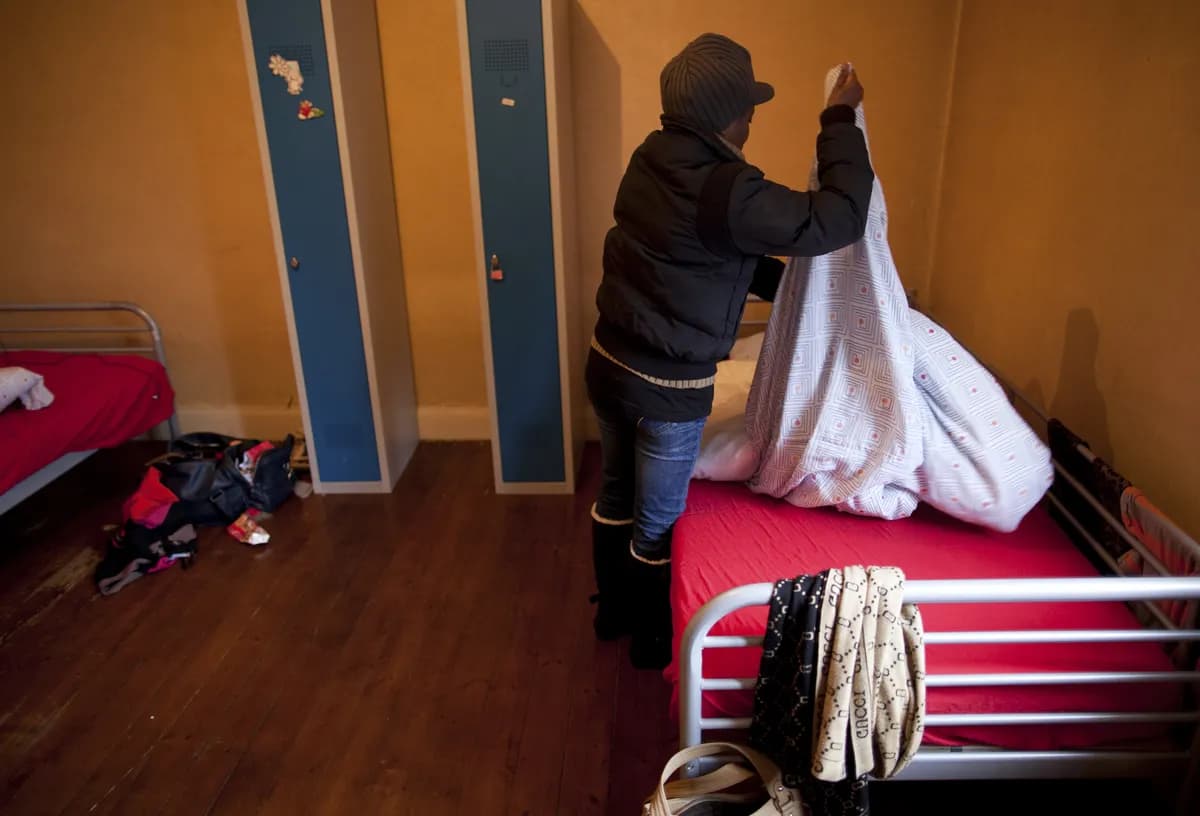
The use of hotels to accommodate asylum seekers increased dramatically in 2020 due to a backlog in processing claims and a lack of long-term housing. If asylum seekers cannot secure their own place to live, the Home Office is legally required to house them. Asylum seekers are not normally allowed to work in the first 12 months while waiting for their claim to be processed.
The number of people housed in asylum hotels peaked at over 56,000 in 2023 under the Conservatives. According to December figures, there were 103,426 people in asylum accommodation, with 30,657 in hotels. Latest government statistics show around 200 hotels in use, accommodating about 30,000 asylum seekers.
Over 70,000 other asylum seekers live in other types of accommodation such as shared housing or military barracks. 3m per day). A Home Office spokesperson said the population in asylum hotels has fallen by nearly 20% in the last year and by 45% since the peak under the previous government, cutting costs by nearly £1bn.
According to Home Office Minister Alex Norris, the fall in hotel use is due to increased removals of people with no right to stay in the UK and housing others in alternative sites such as military barracks. Norris said asylum hotels have been a point of significant frustration for local communities and act as a pull factor encouraging people to come to the UK illegally. He stated that traffickers tell people to come to the UK, live in a hotel, and work illegally.
Norris added that the government is changing that reality to reduce the pull factor. He argued that ending hotel accommodation will reduce the number of people trying to get to the UK by crossing the English Channel. Hotels have become a magnet for right-wing anti-migrant protesters and centred around claims of attacks by asylum seekers on women and girls.
The Labour government has promised to stop using hotels to accommodate asylum seekers by July 2029. Numbers rose after Labour took power but have since fallen. The next official figures are due in May, but Norris expects the number of people in hotels to fall below 29,585, the level when Labour came to power.
The Conservatives have accused the government of shunting people from hotels into residential apartments to hide what is going on. The Crewe Arms Hotel in Cheshire will close its doors to asylum seekers next month. All residents of The Crewe Arms Hotel are set to be relocated to alternative sites and, where possible, to more appropriate dispersed accommodation.
The total number of hotels used to house asylum seekers will fall to 185 from a peak of around 400. The closure is linked to a meeting this week on the new contract for asylum accommodation. The Home Office is holding a private event this week, an 'industry day' for potential future providers of asylum accommodation.
The department has not disclosed details of the time and venue, and attendees must sign a non-disclosure agreement. The meeting relates to re-tendering asylum contracts from 1 September 2029 to 31 August 2036, with a possible extension to 2039. The new contract, Future Asylum Contracts Accommodation, is valued at approximately £10bn and will move away from reliance on hotel accommodation.
The Home Office uses part of the reduced overseas aid budget to fund asylum accommodation in donor refugee costs. 4bn in 2025. Hotel use has triggered protests, legal challenges, and concerns over cost.
The Bell in Epping became a focus of far-right demonstrations, with the local Tory-led council unsuccessfully blocking its use for asylum seekers. Around two-thirds of asylum seekers are housed in dispersal accommodation, which includes houses in the community. It remains unclear which specific alternative sites or military barracks are being used to relocate asylum seekers from the closed hotels, and the exact timeline for when all asylum hotels will be closed beyond the July 2029 target has not been detailed.
How the government plans to ensure adequate long-term housing for asylum seekers after hotel closures is also not specified.