

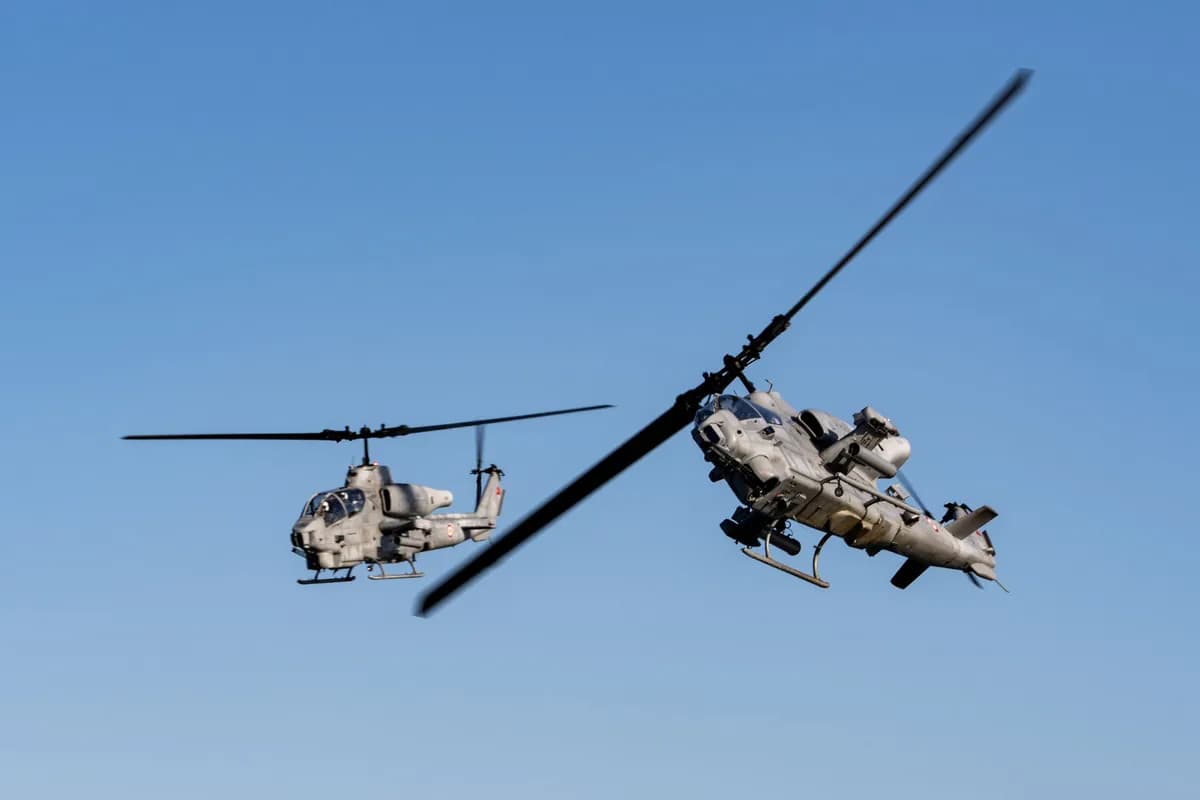
The Irish military has been placed on standby and police are moving to an enforcement phase as blockades outside major fuel depots intensify, prompting government threats of legal consequences. Justice Minister Jim O'Callaghan said there would be legal consequences for the protests, affecting driving licenses and voiding insurance coverage. A gardaí spokesperson confirmed the force was moving to an enforcement phase unless those blocking access to critical infrastructure desist and disperse.
Protests have entered their fourth day with nationwide blockades causing severe travel disruptions across the country. Travel in parts of the country has been affected for the third day in a row. A number of motorways and roads across the country have been blocked by protesters, with major motorways experiencing slow-moving convoys and outright stoppages. Dublin's city centre experienced multiple gridlocks, with tractors blocking routes around O'Connell Street, while protesters continue to blockade fuel sites in Cork, Limerick, and Galway. The demonstrations commenced on Tuesday with slow-moving convoys on motorways and roadblocks across Dublin and other urban centres, then intensified on Wednesday when hauliers and agricultural contractors positioned trucks and tractors at critical fuel infrastructure.
The protests stem from soaring petrol and diesel prices, which have reached approximately 193.9 cents and 218.9 cents respectively at filling stations. Demonstrators, primarily professional drivers, farmers, and hauliers, attribute the sharp price hikes to the ongoing conflict in the Middle East and its impact on supplies from the Strait of Hormuz. They argue that without immediate government intervention, their businesses and livelihoods are at severe risk. Protesters are demanding significant reductions in fuel costs, proposing cuts to excise duty, carbon tax, or VAT, or a cap on fuel prices for the duration of the Middle East conflict. A key demand is for senior government figures to meet directly with representatives to hear their concerns, often presented as a prerequisite for lifting any blockade.
It might not arise today or tomorrow but people have licences to drive vehicles, those licences will be affected.
Organizational structure remains diffuse, with protests coordinated largely through social media channels and messaging apps, making it difficult to attribute to specific leaders. A Facebook page with almost 60,000 followers claims to represent professional drivers, farmers, hauliers, taxi, and bus operators. Participants have often been reluctant to identify organisers, though several spokespeople have emerged. Government-recognised bodies like the Irish Road Haulage Association and the Irish Farmers' Association are not officially involved in the protest action.
Critical infrastructure has been specifically targeted, with blockades affecting approximately half of Ireland's fuel supply. Protesters have targeted the country's only oil refinery at Whitegate, Co Cork, and fuel depots in Galway City and Foynes, Co Limerick – sites collectively responsible for supplying roughly half of Ireland's fuel. Additional protests have occurred near Rosslare Europort in Co Wexford. Fuels for Ireland said that 100 garage forecourts have run dry, mainly in Munster and the west of Ireland. Fuels for Ireland chief executive Kevin McPartlin said the number of dry forecourts could be five times that by Friday night, and 50% of the country's new supply was being kept behind barricade lines.
Emergency response coordination has been activated, with the National Emergency Coordination Group meeting on Thursday to address the escalating situation. The NECG said blockades were causing significant disruption, but Ireland's fuel supplies overall remained robust and resilient. The group highlighted serious concern regarding access to fuel for emergency service vehicles and that transport disruption was causing people to miss scheduled medical appointments. The NECG was briefed on impacts on the agriculture sector and threats to animal feed supplies, while the Irish Health Service Executive has called for all approaches to medical facilities to be kept clear.
void as a result of the owner of the equipment deciding to voluntarily get involved in such illegal activity.
Human impacts are mounting, with stranded travelers and missed medical appointments becoming increasingly common. People have been seen walking with their luggage along Dublin's M50 towards the airport as vehicles block roads during fuel protests. Some filling stations have run dry, concerns have mounted over fuel availability for emergency services, and members of the public have missed scheduled medical appointments.
The government response has involved ministers signaling legal consequences while avoiding direct talks with protest representatives. Irish Minister for Agriculture Martin Heydon will meet with representative bodies on Friday, but Minister of State Timmy Dooley said invitations had been extended to representative bodies to continue dialogue, with the government refusing to meet with representatives from the protesters themselves. Justice Minister Jim O'Callaghan suggested that outside actors seeking political gain or aiming to damage the country might be manipulating protesters.
Police action has escalated, with Gardaí shifting to enforcement and military assistance available if required. The Irish police are treating protests at fuel depots as blockades. Gardaí can request assistance from the Irish army in aid to the civil power when required. Ireland's Defence Forces have been placed on standby as nationwide fuel protests continue for their fourth day.
the number could be five times that by Friday night, adding that 50% of the country's new supply was being kept behind barricade lines.
Supply chain threats extend beyond fuel to essential commodities including food, water and animal feed. Blockades are putting food, fuel, clean water, and animal feed supplies at risk.
Several key unknowns persist regarding the protest movement and government response. The specific leaders or organisers of the protests remain unidentified despite the emergence of several spokespeople. What exact measures the government will take in the enforcement phase has not been detailed beyond warnings about license and insurance consequences. Whether there are any ongoing negotiations between the government and protest representatives remains unclear.
Additional uncertainties concern the quantification of impacts and extent of shortages. How many people have been directly affected by missed medical appointments or emergency service delays has not been confirmed by authorities. The extent of fuel shortages at filling stations across the country continues to evolve.