

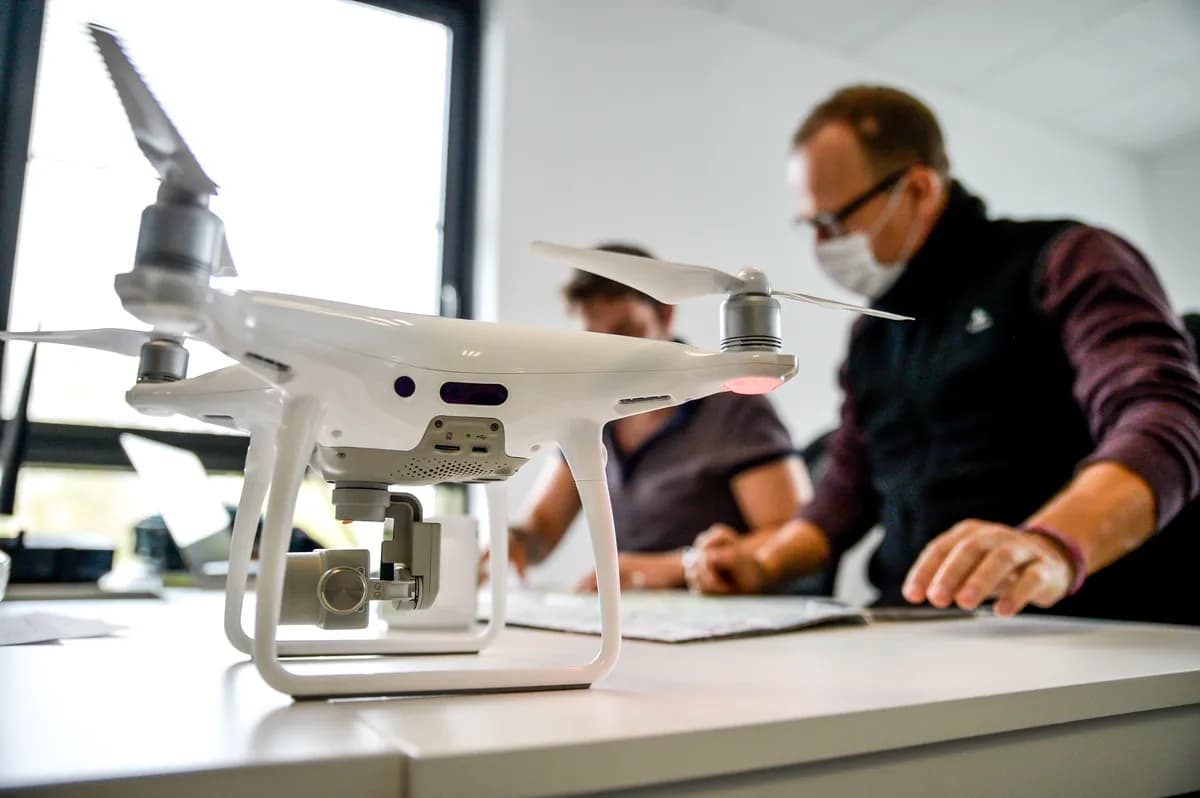
The Programme for Agile and Rapid Defence Innovation (AGILE) is a proposal to invest €115 million in disruptive defence technologies such as AI, quantum technologies, and drones, according to major media reports. It was introduced by the European Commission as a fast-track funding tool designed to transition technologies from research labs to real-world deployment more rapidly than current EU programs. AGILE will finance projects that are already relatively advanced, focusing on technologies that can be tested, validated, and used by armed forces within one to three years.
It will support mission-driven AI systems for military decision-making, situational awareness, autonomous systems, quantum computing, advanced robotics, and drones, promising to cover both technical development and the transition to real-world use, including prototyping, field testing, and initial production. AGILE introduces shorter application and evaluation timelines, with funding decisions expected within months rather than years, and allows single companies to apply, removing the requirement to form large multinational consortia. Funding can cover up to 100% of eligible costs, reducing financial risk for companies, and permits retroactive funding, meaning companies can be reimbursed for work already carried out.
AGILE is expected to allocate at least €115 million in its initial pilot phase for around 20 to 30 projects, with funding coming directly from the EU budget. The primary targets are startups, SMEs, and scale-ups working on dual-use or defence technologies, while larger defence companies may benefit indirectly by integrating innovations into their systems or partnering with smaller firms. Armed forces in EU member states are expected to gain earlier access to new capabilities from AGILE, improving operational readiness, and for EU citizens, the impact is indirect, including stronger security and increased technological competitiveness.
This move comes as the EU has poured resources into initiatives like the European Defence Fund and satellite systems for secure communications and Earth observation, but efforts have fallen short, dismissed as too slow and too rigid for the demands of modern warfare. It remains unclear whether AGILE has been formally adopted or is still under consideration by EU institutions, and the exact start date for its pilot phase and when the first projects will be funded are not specified. Additionally, which specific EU member states or armed forces are most actively supporting or expected to benefit from AGILE, how it will be coordinated with existing EU defence initiatives to avoid duplication, and what specific criteria or evaluation process will be used to select projects for funding are unknowns.