

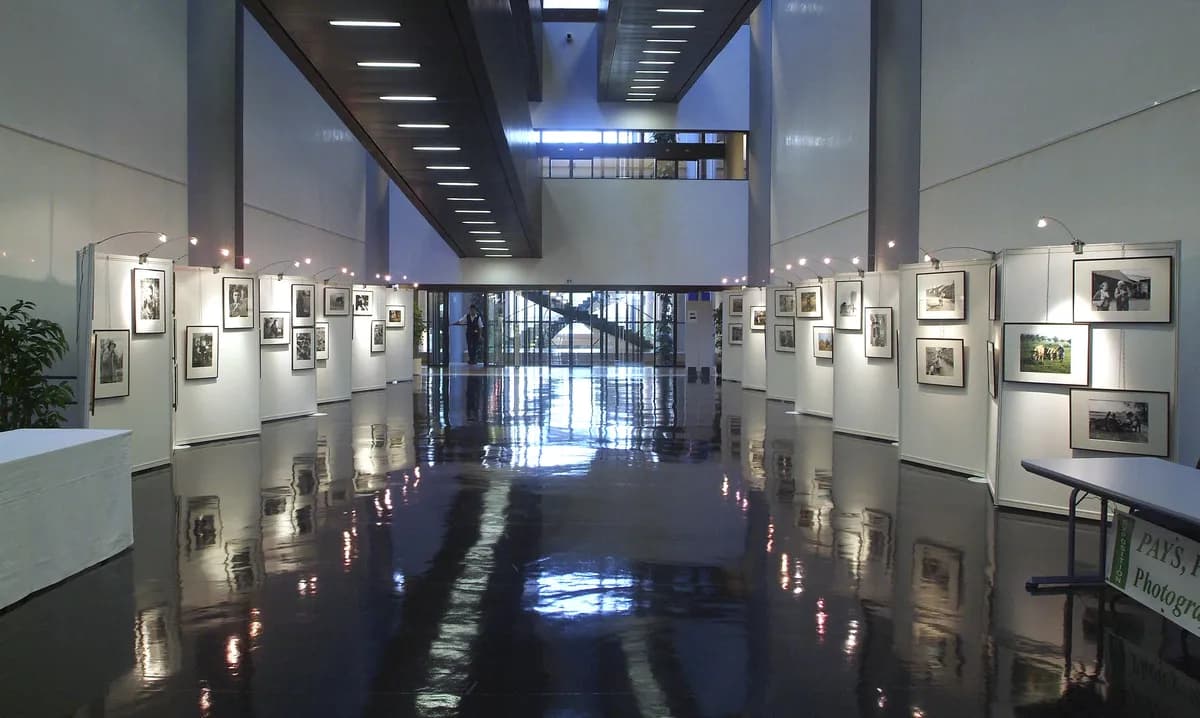
The Hasselblad Prize, often described as the 'Nobel Prize of photography,' was established by the Hasselblad Foundation in 1980, two years after Victor Hasselblad's death. The idea for such an award was launched by Victor Hasselblad in 1972. Since 1980, the prize has been awarded annually, with exceptions in 1983 and 2021, and the first winner was Lennart Nilsson.
It is given to a photographer with outstanding and pioneering contributions in photography, who must have had significant international impact and influenced younger generations. An international prize committee nominates three to five candidates, and the board selects the winner. The prize includes 2,000,000 SEK, a gold medal, and a diploma, with the winner announced annually around March 8, Victor Hasselblad's birthday, and their work exhibited at the Hasselblad Center.
For most people in the art world, recognition from an institution like the Hasselblad Foundation is a dream come true.
' Muholi added, 'It means that the work one has done is important. ' Muholi's work focuses on queer and trans people who have always existed but rarely been seen. Muholi said, 'There is nothing beautiful in what I do.
' The specific projects or exhibitions by Zanele Muholi that contributed to winning the prize are not detailed, and how Muholi's work has specifically influenced younger generations remains unclear. The other nominees for the Hasselblad Prize this year have not been disclosed.
It means that the work one has done is important. And it also means that the world hears our cries, our voices.
An acknowledgment that our lives are worth being seen.
There is nothing beautiful in what I do. My work is about human rights and creating awareness and making visible a group that is very close to me.
The queer and trans people who have always existed, but rarely been seen.