

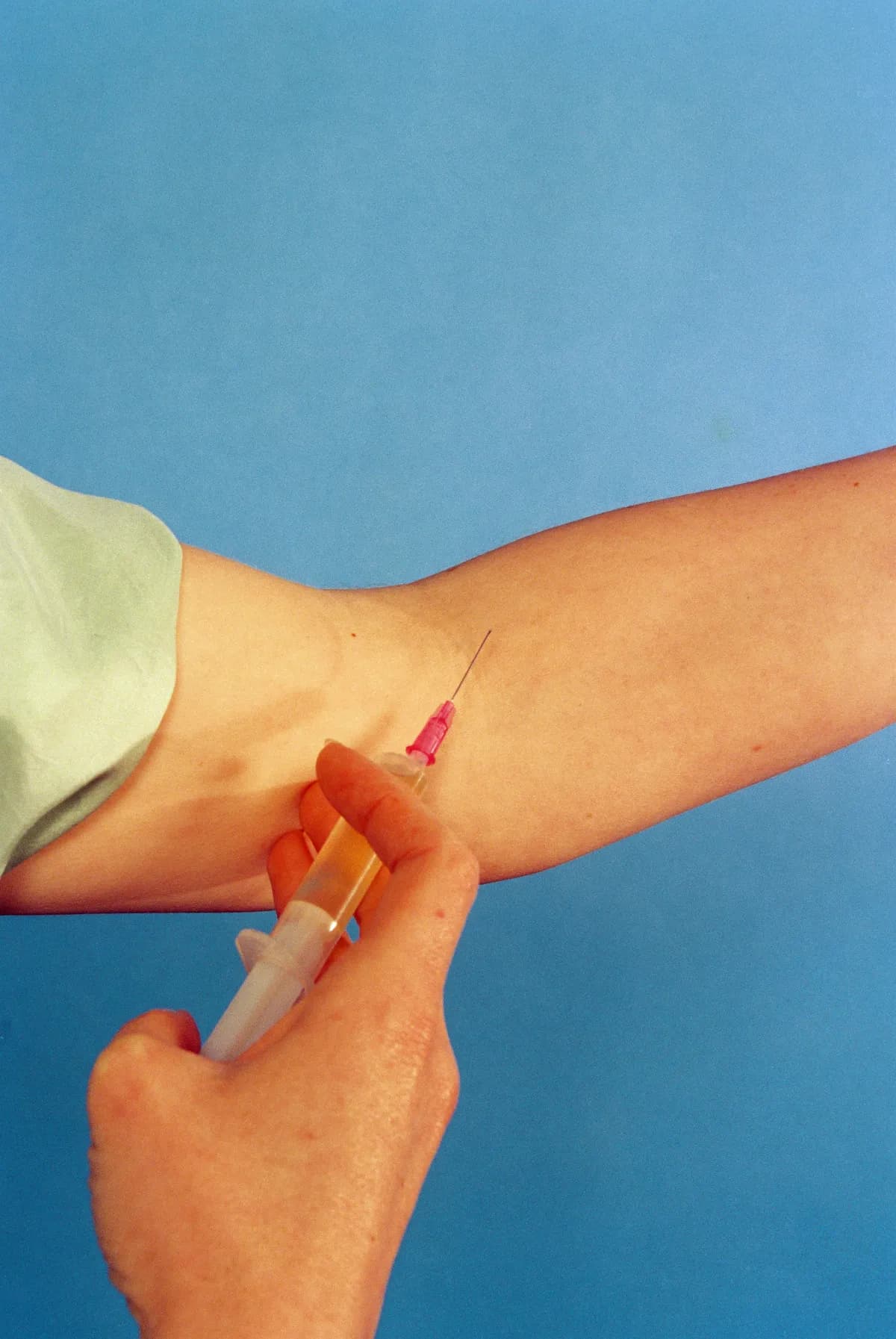
According to SVT Kultur, Anna Rostedt Punga, a professor of clinical neurophysiology, described preventive Botox as mostly a marketing strategy by clinics targeting young people worried about future wrinkles. This trend is fueled by plastic surgeons who create social media content about 'baby Botox' and optimal injection sites to prevent wrinkles, as reported by official sources. The beauty trend has expanded to younger demographics, with Joanna Gorecka, an author, noting to SVT Kultur that the opening of a Lyko store in Stockholm saw middle-school children camping in snow and competing aggressively to buy anti-wrinkle creams.
The long-term effectiveness of 'baby Botox' in preventing wrinkles remains unclear, and it is unknown what percentage of young women who consider Botox actually proceed with the treatment. According to SVT Kultur, Isabell Jardhammar, a 34-year-old passerby, described how celebrities and influencers promote a certain facial appearance, influencing perceptions. Additionally, Ann Heberlein, a culture writer and doctor of ethics, told SVT Kultur that she finds it sad that young people focus on future-oriented actions like preventive Botox instead of living in the present.
All celebrities and all influencers have it, so you're tricked into thinking that's how a face should look.
Preventive Botox is mostly a way for clinics to market treatments to young people who are worried about future wrinkles.
I think it's sad. Because it's in that age you're generally the most beautiful. I think it's part of a trend where young people live a lot in the future—you should freeze eggs, save for retirement, and do Botox preventively. I would encourage them to live more in the present.
I think a lot about the opening of the Lyko store in Stockholm where there was hysteria, middle-school children sleeping in the snow and 'bit' each other to get ahead and buy things like anti-wrinkle creams.