

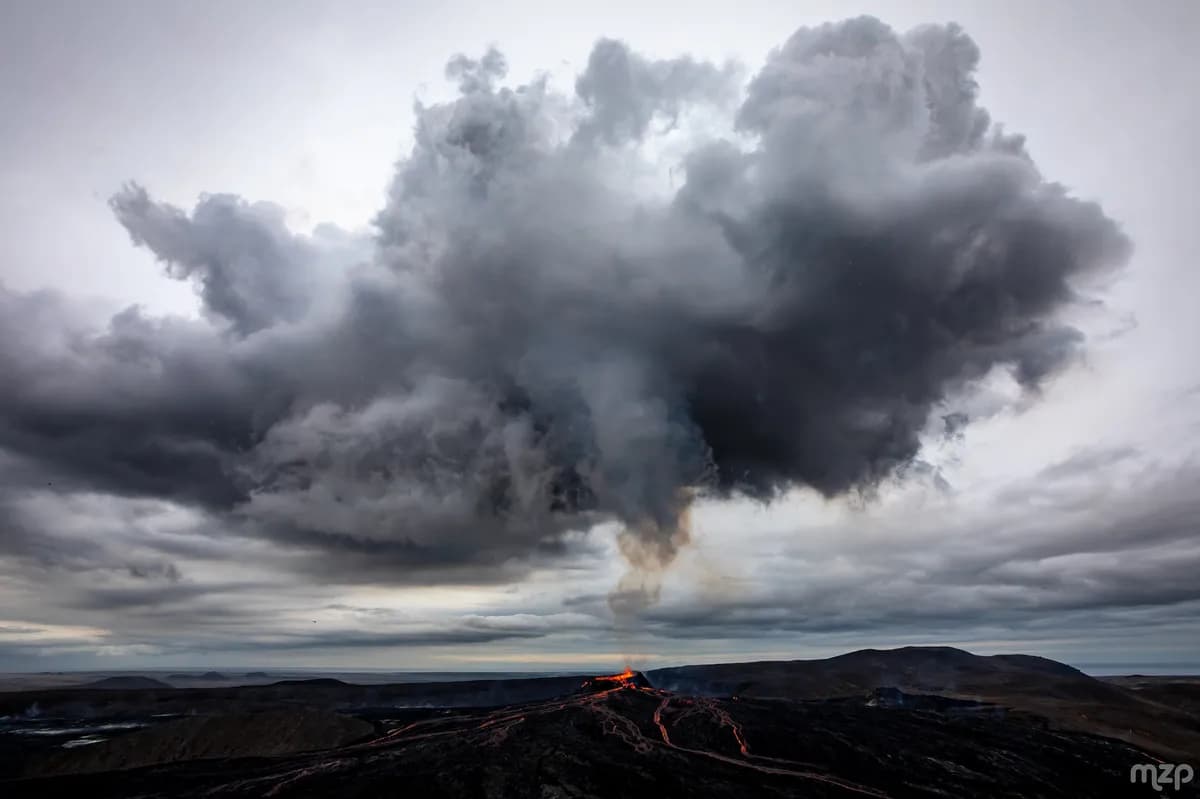
The study indicates a shift from the long-held theory that supervolcanoes like Yellowstone are fueled by vast chambers of liquid magma within the Earth's crust. Instead, scientists now suggest the volcano sits atop a large, spread-out zone of partially molten rock known as a 'magma mush' system. This system is located in a region just below the Earth's rigid outermost shell, known as the asthenosphere, a softer layer that moves slowly over millions of years.
Previously, researchers thought supervolcanoes had large magma chambers filled by narrow columns of superheated rock rising from deep within the Earth, but such chambers have proven conspicuously absent from Yellowstone and other major supervolcanoes. Geological processes driving magma formation involve tectonic forces stretching and tearing the Earth's outer shell apart, allowing molten rock to seep up from the upper edges of the semi-molten mantle. As this molten rock rises from the top of the asthenosphere, it interacts with solid material above to create a highly viscous magma mush.
A layer of hot rock steadily flowing eastward beneath the caldera is tearing apart the stiff rock of the outer crust, creating a channel that enables magma to rise and fill the volcano's mushy chambers. If enough magma collects and pressure builds sufficiently, these processes can lead to a volcanic eruption on the surface. 1 million years.
Supervolcanoes explode with enough force to launch over 1,000 cubic kilometres of material, posing catastrophic hazards with widespread environmental impacts, including climate disruption and mass extinction events, as noted in a paper published in the journal Science. Experts have recently raised concerns that Yellowstone's supervolcano is more active than previously thought, fueling fears of an impending eruption. The important consequence of this discovery is that Yellowstone can fill its potentially explosive magma chambers more quickly than previously thought.