

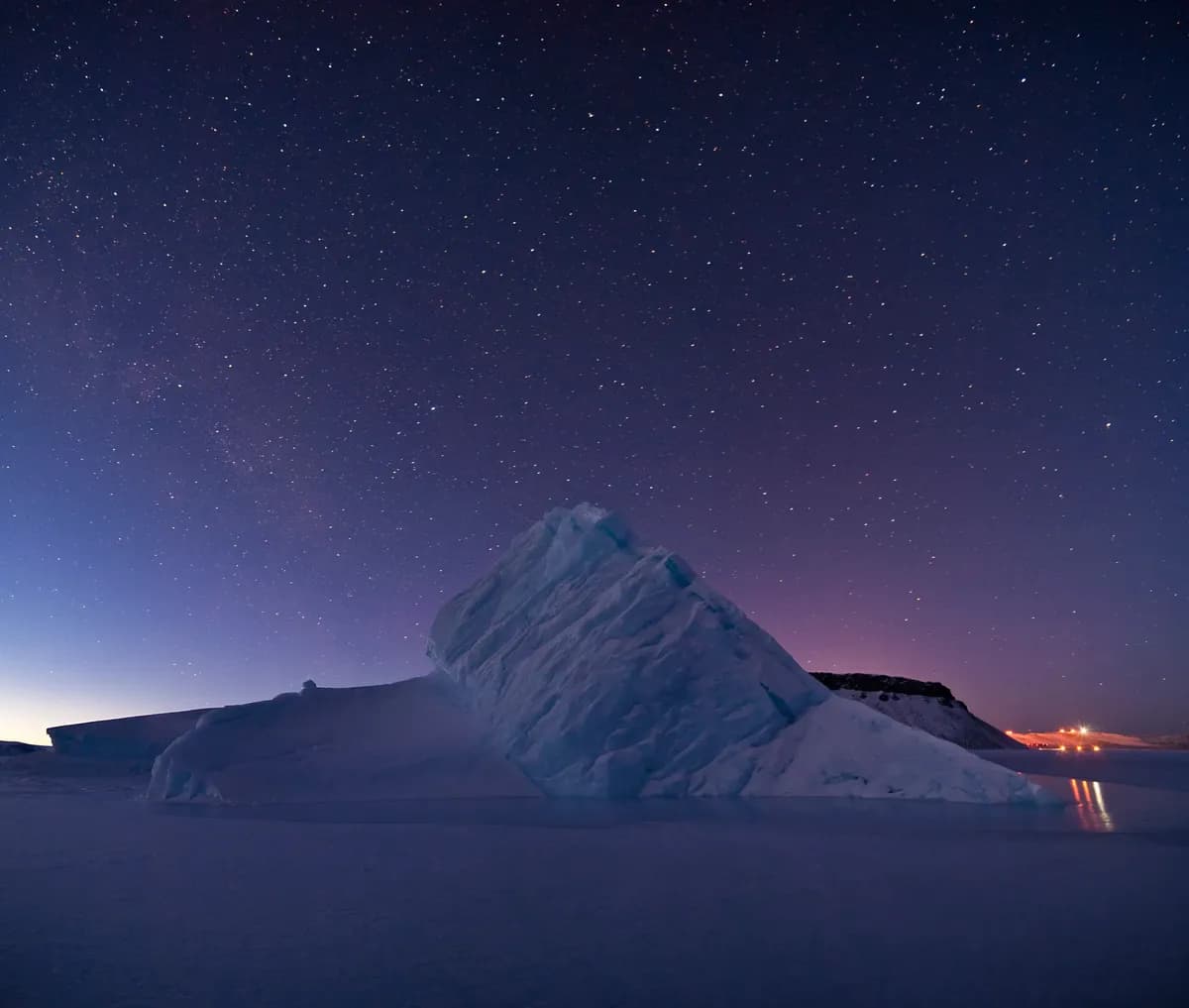
A-23A originally calved from Antarctica's Filchner Ice Shelf in 1986, remained grounded on the seabed, and finally set off on its journey in 2020. While grounded in the Weddell Sea, A-23A remained almost unchanged for over 30 years, ranking among the giants known to have calved from Antarctica and remarkable for its longevity. After freeing itself in 2020, A-23A spent several months spinning in an ocean vortex known as the Taylor column, and after spending early days in the Weddell Sea, its journey ended in the South Atlantic Ocean.
In December 2024, satellite images confirmed A-23A was drifting north in the Southern Ocean, and at one point, it was just 173 miles off the coast of South Georgia, a British territory and wildlife haven. Dr Jan Lieser of Australia's Bureau of Meteorology has been tracking A-23A using remote sensing. Simon Wallace, captain of the South Georgia government vessel Pharos, warned that A-23A was dangerously close to grounding and smashing into pieces.
I noticed in recent weeks how Mother Nature seemed to keep a veil of clouds over the dying iceberg as if trying to give it some privacy at this stage.
The exact date of disintegration and cause remain unknown, as do the environmental impacts on marine ecosystems and the current locations and sizes of the remaining fragments.