

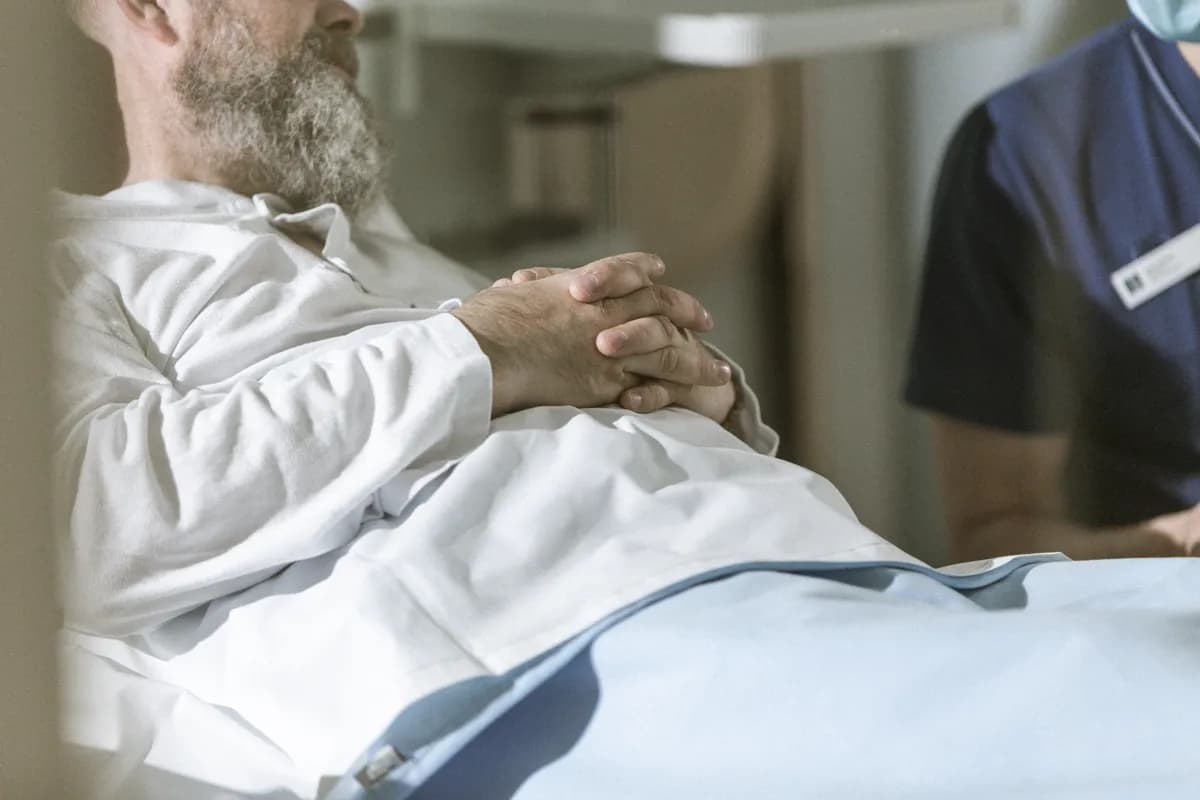
The woman had autoimmune haemolytic anaemia, immune thrombocytopenia, and antiphospholipid syndrome, conditions that severely impacted her health. Before the therapy, she had tried nine different treatments, none of which had a lasting impact, and required daily blood transfusions and permanent blood thinning medication. According to The Guardian - World, Prof Fabian Müller described the patient as having no treatment options left and not leaving the ward due to her need for daily transfusions.
The therapy involved engineering the woman's T-cells to recognize the CD19 protein on B-cells and re-infusing them, a process that led to rapid recovery. She had her last blood transfusion a week after the treatment and was strong enough for everyday activities two weeks later. According to The Guardian - World, Prof Fabian Müller described the speed and depth of the woman’s response as remarkable and said the therapy had significantly improved her quality of life.
The speed and depth of the woman’s response was 'remarkable' and the therapy had 'significantly improved her quality of life'.
When the woman's B-cells bounced back months later, they appeared to be healthy, suggesting the therapy reset her immune system. However, she still has a low white blood cell count and slightly raised liver enzymes, believed to be due to previous treatments rather than the CAR-T therapy. Details of the case are published in the journal Med, but clinical trials are needed to learn how durable the therapy is and whether it will be effective for other autoimmune diseases, as noted by Prof Fabian Müller. The long-term side effects, cost, and accessibility of this therapy for broader patient populations remain unknown, along with the specific mechanisms by which it resets the immune system.
The patient had no treatment options left and would not have left the ward as she needed daily transfusions.