

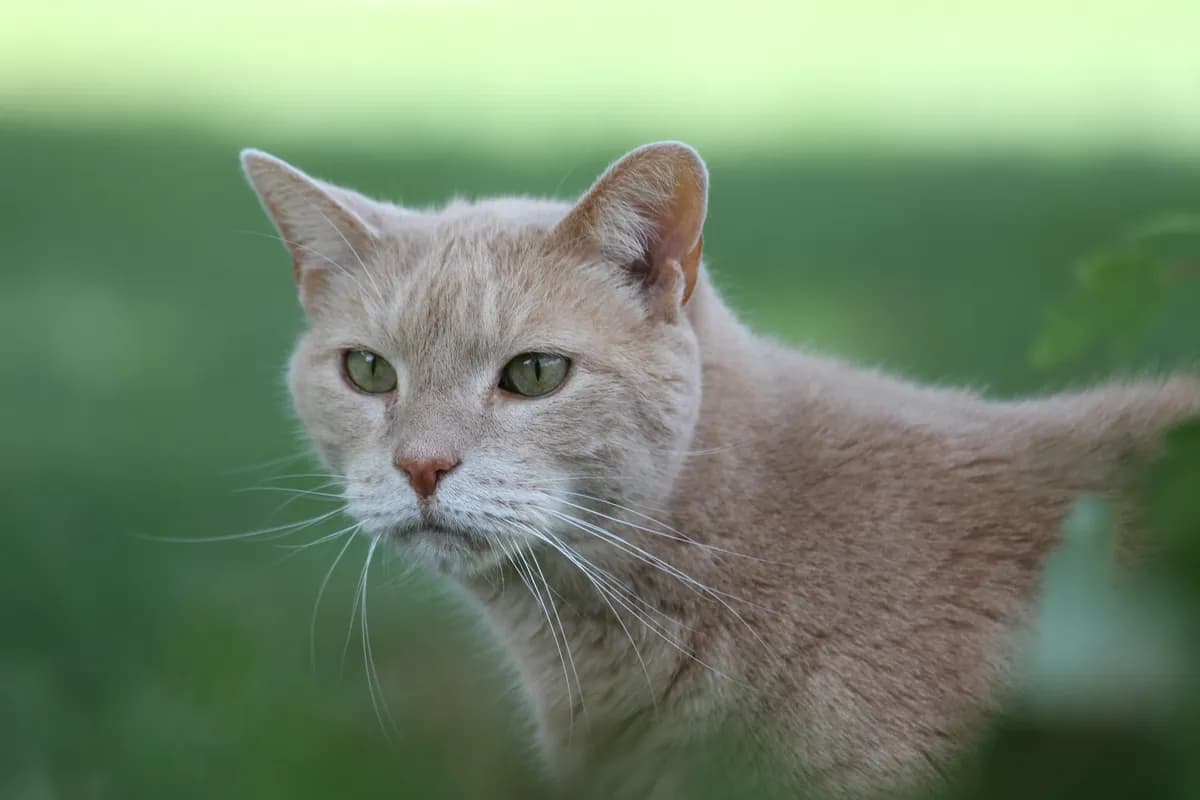
A woman found that her neighbors had left their cat behind after being evicted, according to multiple reports. She fed the cat chicken and created a cozy spot with blankets and a cardboard box in her garden, then contacted the RSPCA for guidance on the abandoned animal. The RSPCA found the cat was not microchipped, classifying it as a stray.
The woman obtained contact details for her neighbors through the council and RSPCA, leading to a reunion with the cat. In a separate incident, a woman received a note from neighbors she had never spoken to, addressed to her cat. The note expressed that the neighbors would miss the cat and called it the best cat ever, and it was signed by neighbors at number 22 and included a picture of the cat.
The woman had seen the neighbors interact with her cat and take it inside during cold weather. The circumstances of the abandonment in the first story remain unclear, including whether the cat was intentionally left behind or accidentally forgotten, and it is unknown if any legal or animal welfare actions were taken against the neighbors. Such incidents highlight broader issues of pet abandonment and neighbor-pet relationships in communities, though how common they are is not specified.
The woman's quick action in providing food and shelter ensured the cat's immediate safety while awaiting reunion. The RSPCA's involvement was crucial in verifying the cat's status as a stray due to the lack of microchip, which is a common issue in abandonment cases. The council's role in facilitating contact details underscores the importance of local authorities in resolving such situations.
The emotional note from neighbors in the second story reflects the deep bonds that can form between pets and community members, even without direct interaction between humans. These events raise questions about pet ownership responsibilities and the emotional impact of pet abandonment on both animals and neighbors.