

Isle Royale, a 134,000-acre national park in Lake Superior, has been the site of annual winter population surveys of wolves and moose since 1958. The 2021 pandemic forced the first cancellation in history, and the 2024 survey was abandoned after unseasonably warm weather made ice unsafe for ski-plane landings. Last year's survey was also scrapped due to a pilot's medical emergency.
This year's survey, conducted from 22 January to 3 March, faced wind chills of minus 50 degrees Fahrenheit, but clear skies allowed exceptional observations, with wolves spotted on all but one flight. The estimated wolf population of 37 is up from 30 in 2024 and is the highest since the late 1970s. A decade ago, the wolf population had dwindled to just two due to inbreeding.
It's always such a privilege to get to see
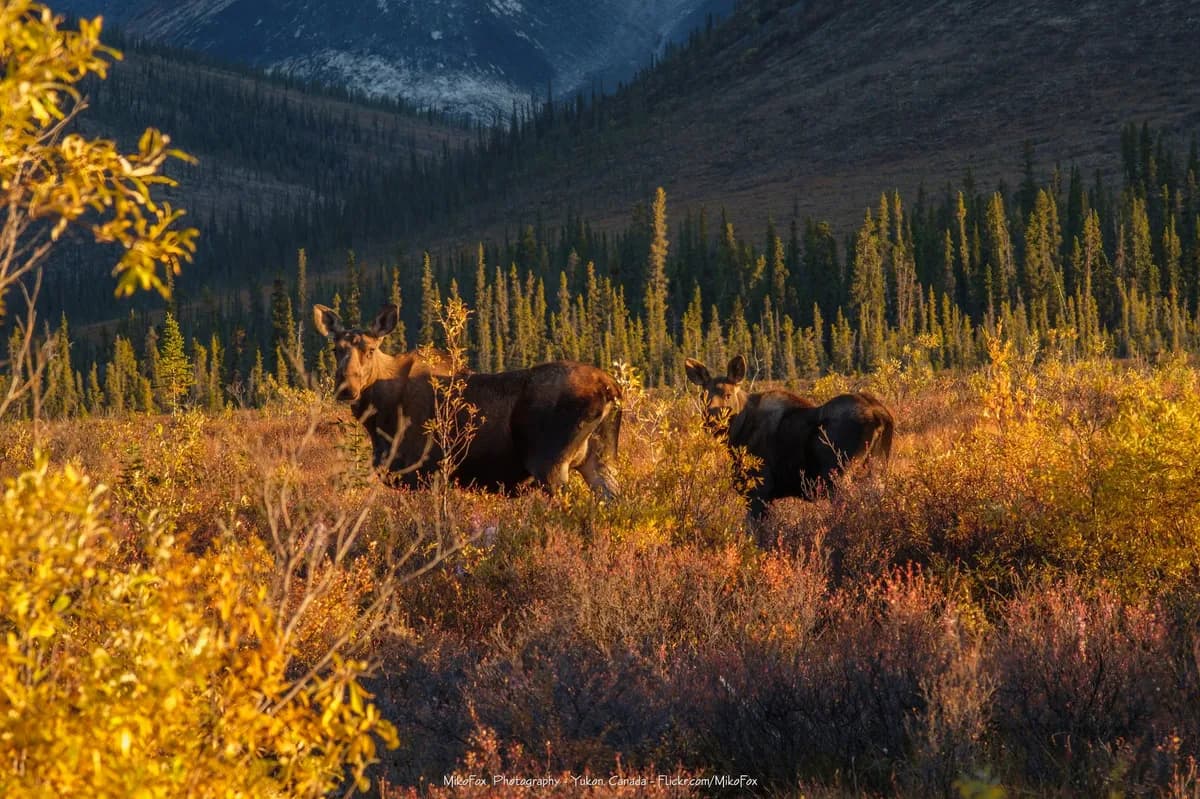
The moose population is estimated at 524, down from 2,000 in 2019, with wolves likely killing almost a quarter of the moose over the last year. For the first time in nearly 70 years, researchers observed no moose calves during the winter survey. According to The Independent - Main, Sarah Hoy, a Michigan Tech researcher and survey co-leader, described the privilege of observing the wolves.
The exact impact of wolf predation on moose calf survival remains unclear, as do the long-term ecological implications of the absence of moose calves. How the declining moose population will affect the wolf population in coming years is also unknown.