

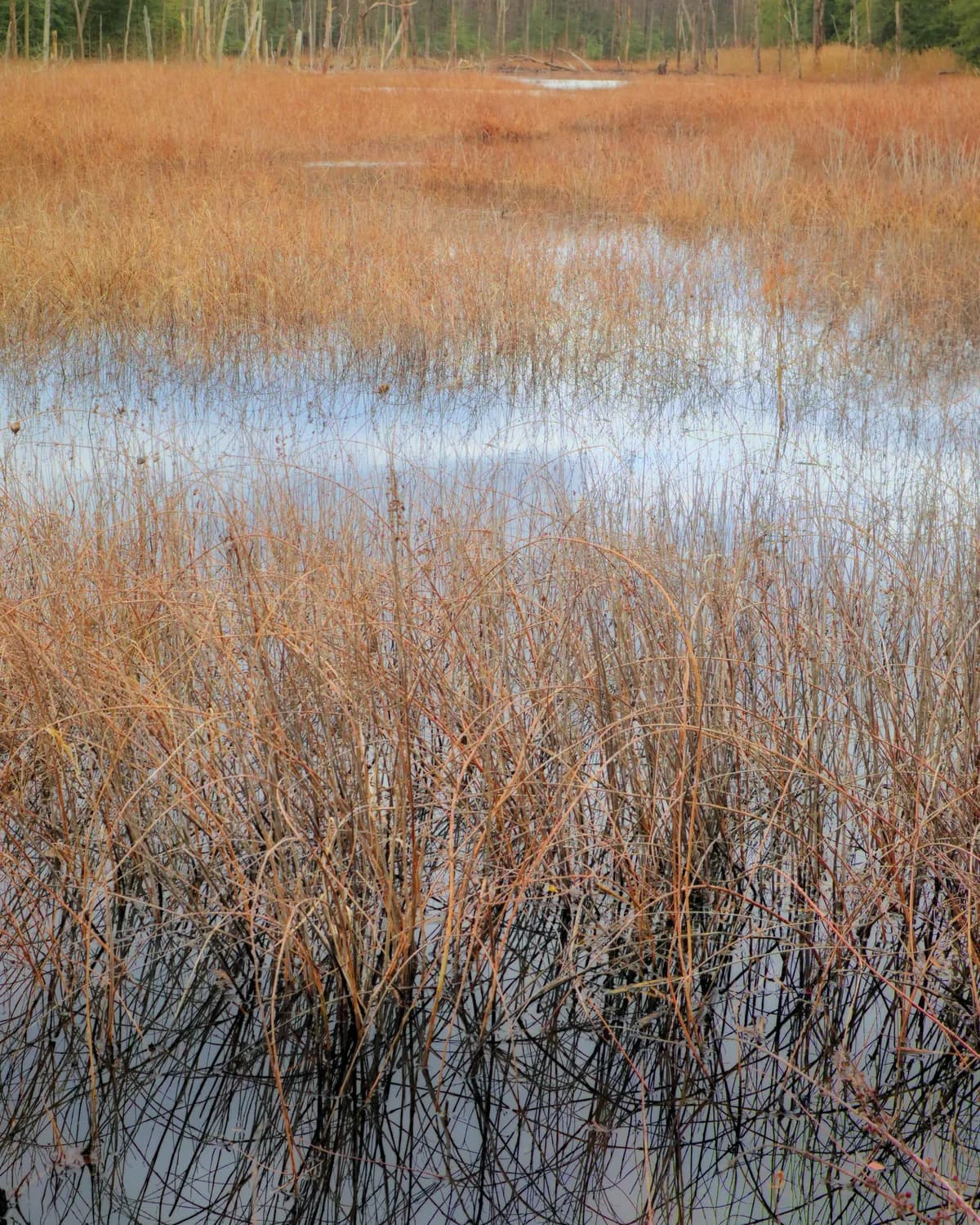
The project took about three years from idea to reality and was completed last autumn. All ditches that existed are now filled in, and the water level is present, with water now remaining in the lands where it previously flowed past. According to SVT Småland, Jenny Eklöv described the transformation as incredible, noting the land behind her is now filled with water unlike before.
Despite this success, criticism has emerged regarding the pace of restoration work on Öland. Michael Ingard, operations developer for water management at Mörbylånga municipality, said the work is progressing too slowly. He noted it takes too long from the first meeting to finished result, and more people need to work on this; at this rate, it will take several hundred years to restore the water on Öland.
It feels completely incredible to see the land behind me filled with water now. It didn't look like this before.
According to SVT Småland, Liv Stjärnlöv described the need for a holistic approach to water on the island rather than focusing solely on precipitation. Meanwhile, a significantly larger wetland restoration project is underway at the Svartåmynningen nature reserve outside Linköping. A wetland the size of about 35 football fields is taking shape there, with the work involving raising the water level in the large, flat lands where Sättunabäcken once flowed.
According to SVT Östergötland, Fia Sundin described this project as larger than any previous ones in a single location. The Svartåmynningen nature reserve, just north of Linköping, is beginning to bloom. The ecological benefits are expected to be substantial, particularly for birdlife.
We cannot solely focus on precipitation and hope for a lot of rain, but we need to take a holistic approach to water on the island.
When the land becomes wetter, the wetland can retain water longer in the spring, which will create better conditions for birdlife. Specifically, the threatened Eurasian curlew will benefit; they are exposed to very high predation pressure from birds of prey, crows, and foxes. According to SVT Östergötland, Fia Sundin explained that the higher vegetation will make it easier for birds to hide their young and find food.
Current progress at Svartåmynningen shows about one-fifth of the work completed so far, with the project expected to continue for another week. According to SVT Östergötland, Fia Sundin confirmed they have perhaps completed one-fifth now. They want to finish as soon as possible and not disturb the birds more than necessary.
I don't know if we've ever done such a large area in just one place before.
Looking ahead, the County Administrative Board of Östergötland plans more restorations of watercourses and wetlands in the coming years. The exact number of additional projects and their timelines remain unclear, as do specific measures to accelerate work in Öland and the total budget allocated for these initiatives. How success will be measured over time has not been detailed.
These projects represent growing efforts to address water management through wetland restoration, though questions persist about resources and long-term planning. The contrasting experiences in Öland and Östergötland highlight both achievements and challenges in environmental restoration work across Sweden.
Specifically the threatened Eurasian curlew. They are exposed to a very high predation pressure from birds of prey, crows, and foxes.
The higher vegetation will make it easier for the birds to hide their young and find food.
We have perhaps completed one-fifth now.