

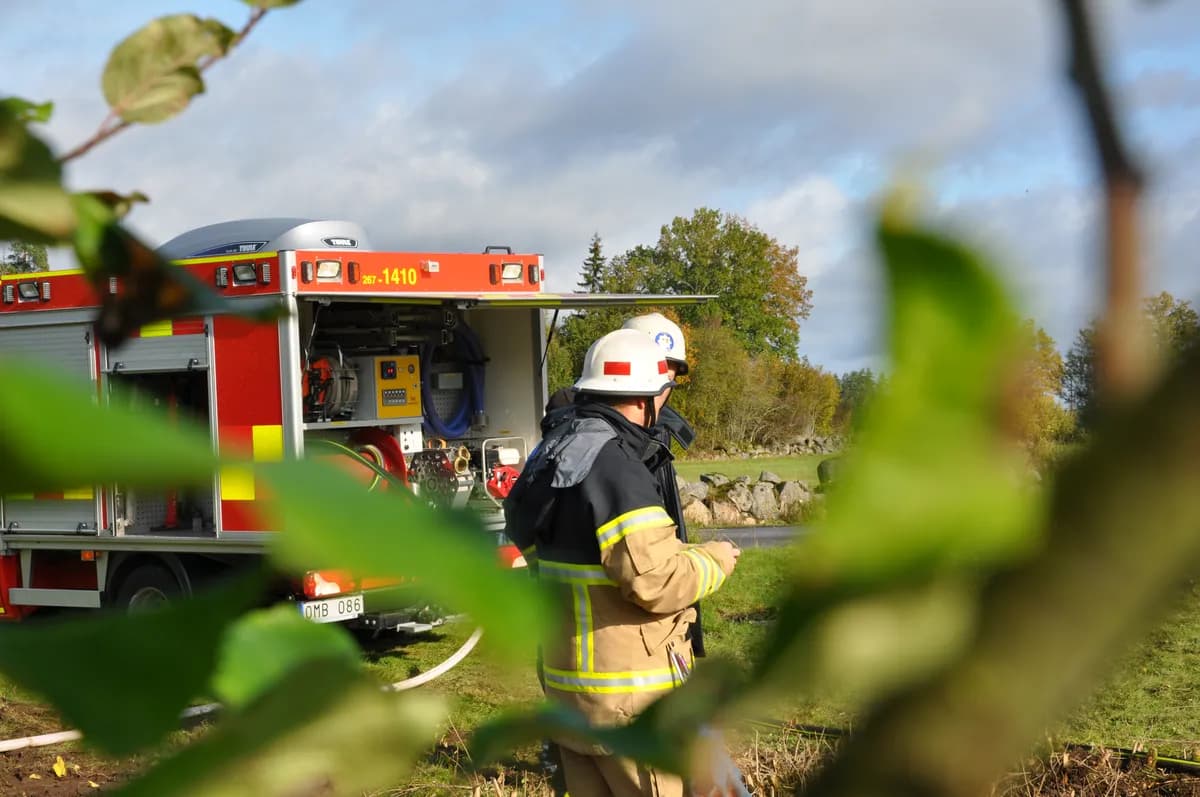
Initial reports of the vehicle incident present conflicting details about when it occurred. According to major media, a car began to burn on Monday evening, but other reports indicate an alarm about a smoking vehicle came in at 17:13 on Saturday evening. Further complicating the timeline, additional major media sources state the alarm about the fire came at 15:40.
Emergency response teams from Räddningstjänsten were on site a while later after receiving the alarm, according to major media reports. Upon arrival, rescue service personnel assessed the situation and reported smoke development from a passenger car, though they noted no visible fire could be detected at that time. Personnel from the rescue service suspect an electrical fault on the vehicle as a possible cause of the incident, according to major media.
Vehicle fires represent a significant category of emergency responses for fire departments worldwide, with specific procedures developed to handle these incidents safely. Reactions from emergency personnel at the scene would typically involve methodical assessment and controlled response actions based on their training and experience. This incident has implications for vehicle safety standards and electrical system reliability across the automotive industry.
Key unknowns about this incident include what specifically caused the car to start burning or smoking, as the investigation remains ongoing. It is also unclear whether anyone was injured or involved in the incident, with no confirmation yet about potential casualties or persons present at the scene. The exact location where the incident occurred has not been specified in available reports.
Remaining questions extend to the extent of damage to the vehicle and whether there were any arrests or suspects related to the incident. The conflicting timing reports highlight challenges in initial incident reporting, which can stem from multiple witnesses or delayed notifications. Rescue services typically prioritize rapid deployment to vehicle fires due to risks of explosion or spread to nearby structures, though in this case, the absence of visible flames allowed for a more measured approach.
Investigations into vehicle fires often involve forensic analysis of electrical components, fuel systems, and potential external factors like weather or road conditions. Standard response procedures include securing the area, assessing for hazardous materials, and using specialized equipment like foam or dry chemical extinguishers. Emergency personnel reactions in such scenarios are guided by protocols that emphasize safety and evidence preservation for subsequent inquiries.
The implications for vehicle safety may prompt reviews of manufacturing standards, particularly for electrical systems in modern cars with complex wiring and battery technologies. Unknowns about injuries are critical for determining the incident's severity, as vehicle fires can escalate quickly if occupants are trapped. Location specifics could influence response times and resource allocation, though urban versus rural settings present different challenges.
Questions about damage extent help assess financial and environmental impacts, while potential suspects might indicate criminal activity like arson, though no such indications have been reported here.