

On February 28, 2026, the United States and Israel launched joint military strikes on Iran, according to multiple sources. The strikes targeted Iranian military assets, leadership, and nuclear program sites. Iran retaliated by targeting U.S. military facilities, Israel, and energy and civilian infrastructure in Gulf states. This escalation has plunged the region into its most severe conflict in decades.
Iran effectively closed the Strait of Hormuz, disrupting global oil supply. About 20 million barrels per day of oil were transported through the strait in 2025, but tanker traffic dropped by approximately 70% initially, then to about zero, according to the International Energy Agency. This closure has slowed oil flows to a trickle, creating immediate shortages in global markets.
The human toll of the conflict remains unclear due to conflicting reports. More than 1,800 people have been killed in the conflict as of March 20, 2026, according to multiple sources. However, Human Rights Activists in Iran reported that as of the same date, 3,220 people were killed in Iran alone, including 1,165 military personnel and 1,398 civilians, with at least 210 children among the dead. The discrepancy suggests uncertainty or different reporting methodologies regarding the conflict's severity.
One of the most controversial incidents involves a school attack in Iran. At least 175 students were killed by a reported U.S. strike on an Iranian elementary school on February 28, according to reports. Iran accused the U.S. and Israel of attacking a girls' school on the same day, killing 168 people including around 110 children. Expert video analysis by BBC Verify shows a U.S. Tomahawk missile hit a military base near the school. The U.S. said it was investigating the school incident, while Israel said it was 'not aware' of any military operations in the area.
Leadership changes have occurred in Iran amid the conflict. Tehran's Assembly of Experts appointed Ali Khamenei's son, Mojtaba Khamenei, as his successor, according to multiple sources. U.S. Defense Secretary Pete Hegseth said Iran's new supreme leader, Mojtaba Khamenei, was injured and 'likely disfigured.' Iran denied the claim about Mojtaba Khamenei's injury.
Military developments show significant losses on both sides. In the first two days of fighting, at least three U.S. jets were shot down, according to multiple sources. The U.S. claims the jets were shot down by friendly fire. An Iranian warship was sunk by a U.S. submarine in the Indian Ocean near Sri Lanka on March 4, 2026, killing at least 87 people. Iran has received MiG-29 Su-35 fighter jets and Mil Mi-28 attack helicopters from Russia, according to reports.
High-ranking Iranian officials killed include Ali Larijani, Esmail Khatib, and Gholamreza Soleimani, according to multiple sources.
Israeli authorities said 15 civilians were killed by Iranian missile fire as of March 19, 2026. Israel stepped up air strikes in Lebanon after Hezbollah fired rockets into Israel in support of Iran, according to multiple reports.
The U.S. Armed Forces began a military campaign to open the Strait of Hormuz on March 19, 2026, according to multiple sources. Iran has made 21 confirmed attacks on merchant ships as of March 12, 2026. The exact timeline and success of this campaign remain uncertain.
The closure has triggered a global energy crisis. Brent crude oil prices surpassed $100 per barrel on March 8, 2026, rising to $126 per barrel at its peak, according to multiple sources. The closure is the largest disruption to energy supply since the 1970s energy crisis. The International Energy Agency released four hundred million barrels from its strategic reserve due to the energy shock.
The U.S. is affected by the global increase in oil prices due to the closure. The U.S. imported about 8% of its crude oil from Persian Gulf countries in 2025, according to the U.S. Energy Information Administration. About 80% of oil transiting the Strait of Hormuz in 2025 was destined for Asia, with China receiving 45-50% of its oil via the strait, according to the International Energy Agency.
Expert assessments of military effectiveness show divergent perspectives. Matthew Kroenig of the Atlantic Council said the U.S. is well on its way to degrading Iran's nuclear program, ballistic missiles, navy, drones, and control of proxies. He added that more than fifty Iranian naval vessels are resting on the sea floor. However, this contrasts with reports that in the first two days of fighting, at least three U.S. jets were shot down, and Iran has received military support from Russia. Israel's strategic objective is the collapse of the Iranian regime, according to multiple sources.
The legal and political context remains contentious. The U.S. and Israeli attacks cannot be legally justified under international law, according to Susan M. Akram, an ACW Non-resident Fellow. Iran's closure violates the UN Convention on the Law of the Sea, according to multiple sources. President Trump issued conflicting statements on U.S. military objectives and the trajectory of the conflict.
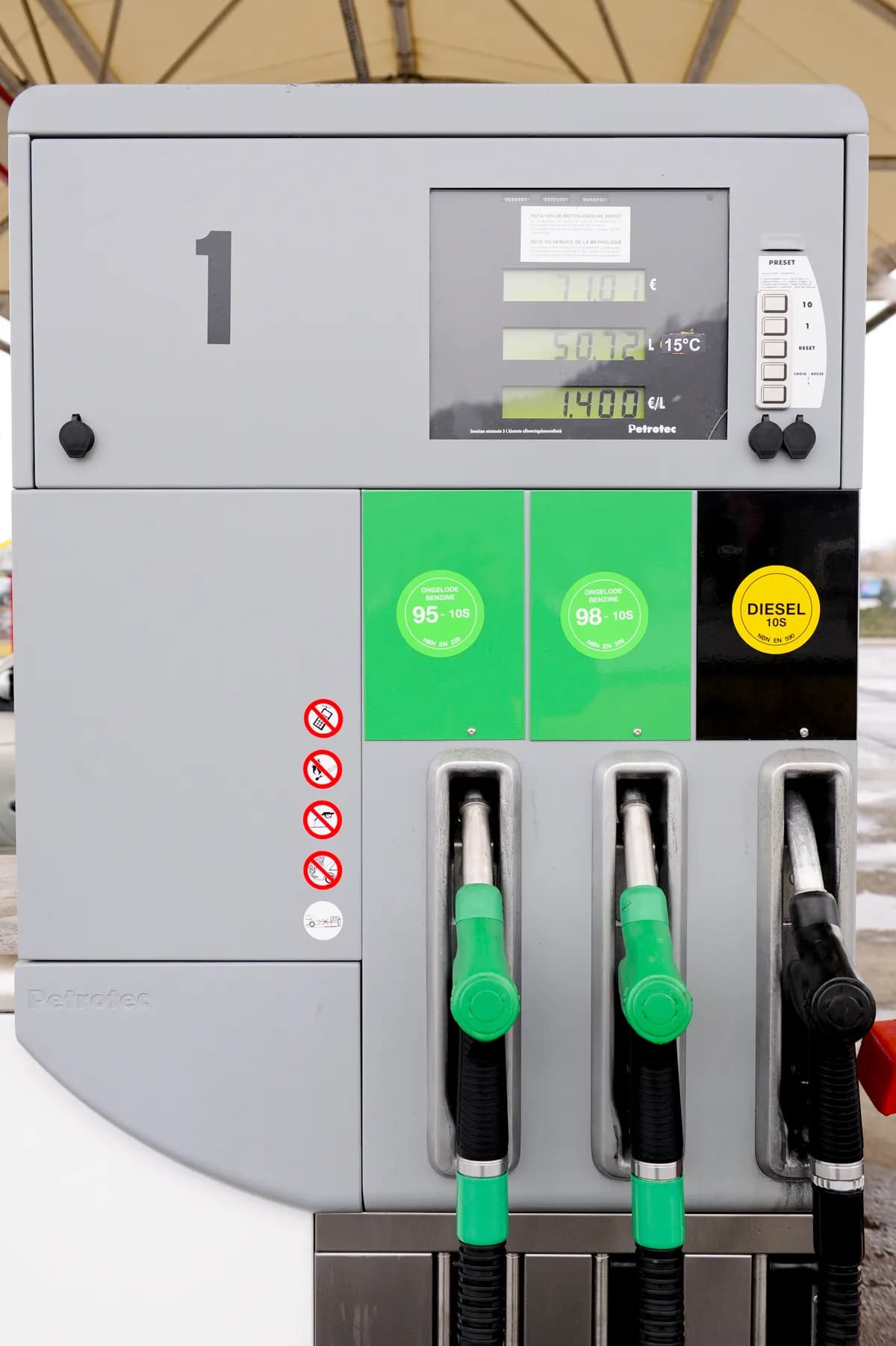
Regional and global economic disruptions are intensifying. Major media reports indicate the economic effects of the Iran war will be profoundly negative and sustained. Western countries have been relatively shielded from the crisis of the closed Strait of Hormuz waterway, according to these reports. The most visible evidence of the Strait of Hormuz closure is rising petrol and diesel prices at the pump. The impact of the Strait of Hormuz closure has been more acute in the far East, and Asian economies that are more heavily reliant on oil imports are facing a more pressing challenge.
Asian economic impacts are already visible. Pakistan has implemented a mandatory four-day work week, according to major media. People in Thailand have been told to cut down on air conditioning to reduce energy consumption. A global oil deficit will pull Europe into competition with Asian countries like Japan and South Korea, according to analysts. Stiff competition from Asian buyers will likely continue to push up prices for European buyers.
European impacts are mounting despite some insulation. Western economies have so far avoided major shortages or talk of rationing, according to major media. Europe receives less oil from the Gulf states due to the closure. Brent crude prices hit $108.6 (£82) on Monday, and oil prices are up 24.4% over the past month, according to major media reports. Petrol and diesel prices are spiralling out of control, with petrol prices reaching an 18-month high in the UK, according to the RAC.
Policy responses are emerging to mitigate the crisis. The International Energy Agency released a 10-point action plan last month that could be implemented quickly by governments, businesses, and individuals, according to major media. The European Union has urged member states to encourage citizens to work from home and drive less to reduce demand. Summer holidays face potential disruption due to the oil crisis, and the outlook for the travel industry seems bleak.
Unresolved questions loom over the conflict's future. Major media reports indicate that even if Iran complied with Trump's demands, the oil supply cycle would remain disrupted for a significant period. Roughly a fifth of the world's oil is transported through the Strait of Hormuz, and oil prices have surged since its closure. Rising petrol prices signal looming shortages. What specific military objectives the U.S. and Israel aim to achieve beyond the initial strikes remains unclear, given Trump's conflicting statements. Whether Iran will comply with Trump's ultimatum to reopen the Strait of Hormuz is uncertain, and if so, how quickly oil supply can be restored. The full extent of civilian casualties and infrastructure damage in Iran and other affected regions is not fully known, as reports vary widely.