

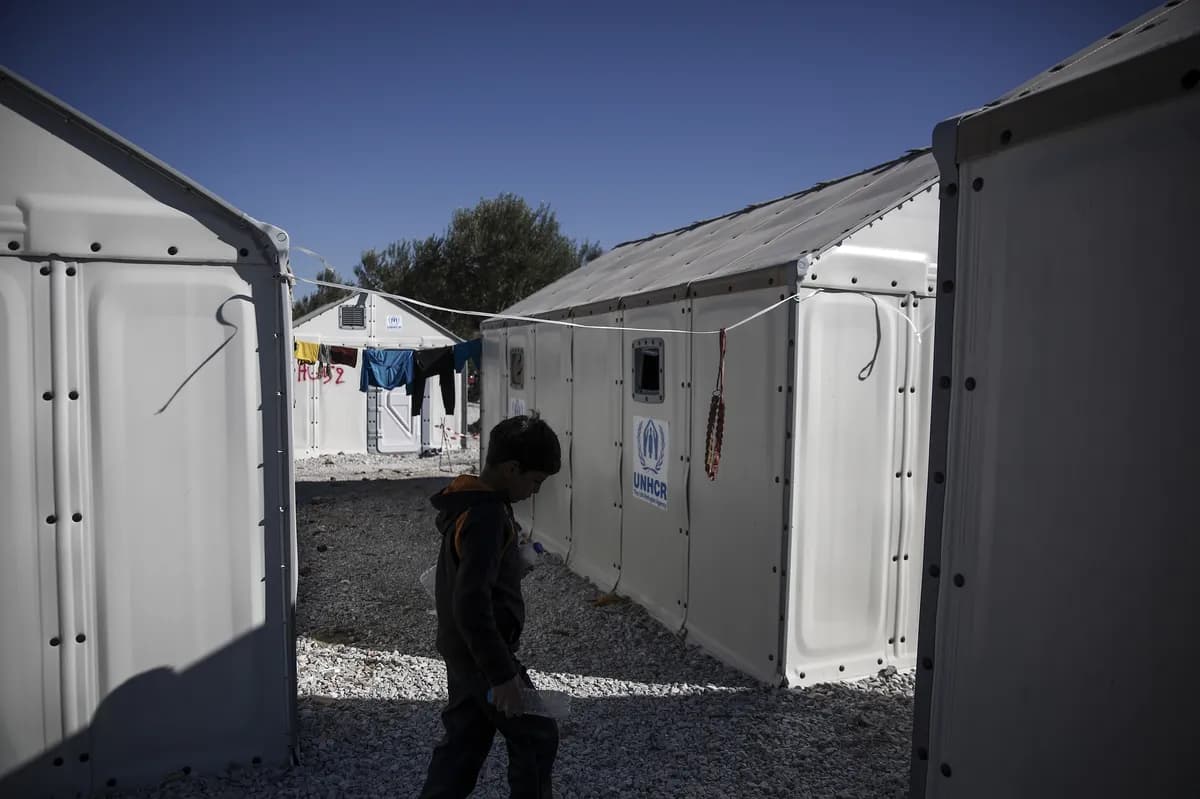
According to Unicef, around 350,000 children in Lebanon have been displaced by the conflict, though the agency also cited a figure of 200,000 displaced children in a separate statement, reflecting possible differences in definitions or timing. The total number of displaced people in Lebanon is estimated at 700,000, of whom 200,000 are children, Unicef said. The discrepancy between the two child displacement figures—350,000 versus 200,000—may stem from varying interpretations of 'forced to leave homes' versus 'displaced,' or from different reporting periods. Unicef has not clarified the reason for the difference, but both numbers underscore the widespread impact on children.
Nearly 300 children have been killed in Lebanon in less than two months, and 700 children have been injured by bombs, according to Unicef. The agency reported that many injuries occurred during what it described as indiscriminate attacks on 'Black Wednesday,' when more than a hundred attacks happened within ten minutes. Unicef did not provide further details on the specific locations or perpetrators of those attacks, but the high number of casualties among children has drawn international concern.
When I grow up I want to be like you, because you are so beautiful.
In Beirut, a school originally built for education now houses 1,150 displaced people, according to Aftonbladet. The school has become a shelter for families fleeing the violence, with children among the most vulnerable. According to Aftonbladet, a 4-year-old displaced child named Vanessa described her aspirations, saying she wanted to be like a journalist because she is beautiful, and also wanted to become someone who cooks food, like pizza with lots of cheese. Another child, 10-year-old Amal, told Aftonbladet that the war is really scary and terrifying, and that she is afraid all the time of losing her home or someone she knows dying. Amal also said she misses her home, her village, her friends, and going to school, and that everything feels strange and different now.
Unicef worker Maya Outayek told Aftonbladet that one cannot be unmoved in this job, given all the wonderful children in this difficult situation. James Elder, international spokesperson for Unicef, described to Aftonbladet a father who showed pictures of how heavy Israeli machines razed both his home and crops, leaving the family with nothing to return to when the war ends. Elder also said that children are learning to identify drones before they learn to read, calling it an unimaginable trauma that shapes them rather than adapting them to war. He warned that even if peace comes, the trauma will continue long after the bombs have stopped falling. Elder added that many people are still worried, feel that no one is safe, and fear that it could happen again.
Like a princess.
The exact number of displaced children in Lebanon remains unclear due to conflicting figures from Unicef. It is also unknown how many of the displaced children are in schools or shelters, and what specific aid is being provided to them. The current status of ceasefire or peace efforts is uncertain, and the number of children remaining in active conflict zones has not been confirmed. The situation continues to evolve as the war persists, with children bearing a disproportionate burden of the violence and displacement.
I also want to become someone who cooks food, pizza with lots of cheese.
You cannot be unmoved in this job, with all the wonderful children in this difficult situation.
I spoke to a father who showed pictures of how heavy Israeli machines razed both his home and crops. The family has nothing to return to when the war ends.
It is an unimaginable trauma these children are going through. That children learn to identify drones before they learn to read. That is not adapting to war, it is being shaped by it.
If there is peace, the trauma will continue long after the bombs have stopped falling.
It is really scary, terrifying. You are afraid all the time, that you will lose your home or that someone you know will die. War is scary.
I miss my home and my village. But I really miss my friends and going to school. Everything is so strange and different now.
Many are still worried, feel that no one is safe and fear that it could happen again.