

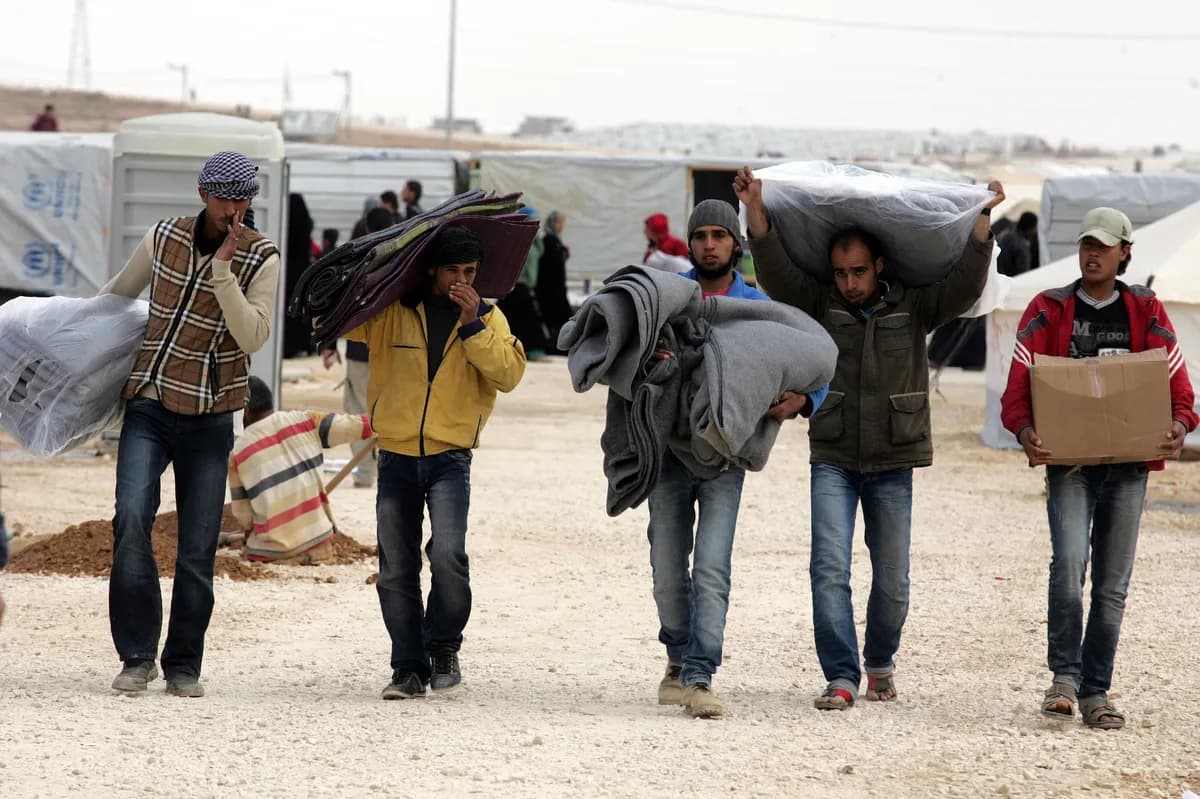
4 million Ukrainian citizens currently have protection in the EU, and including Western European countries outside the EU, there are around five million Ukrainians in total, according to multiple reports. The vast majority of these refugees have been outside their homeland for four years, indicating a prolonged displacement. Many Ukrainian refugees are ready to adjust and invest in a life in a new place, especially families with small children, and many women, who dominate the refugee group, have met a partner in Europe, creating a particularly strong attachment to the new country.
The Ukrainian leadership understands that the many citizens abroad create enormous demographic problems for Ukraine. Ukrainian politicians also realize that citizens are not the state's property and must have the right to arrange their lives as they see best, and Ukraine would not be able to offer reasonable living conditions to all who fled if they chose to return. Millions of Ukrainians establishing themselves abroad could in turn be of great benefit to Ukraine, from sending money to their old homeland to being Ukraine's spokespersons abroad.
Many European governments understand that Ukrainians constitute a much-needed human resource for an aging Europe. The EU's mass displacement directive, which gives Ukrainians 'temporary protection', is extended one year at a time, and some countries open pathways to residence permits for some Ukrainians.