

Ukrainian President Volodymyr Zelensky announced an open-ended ceasefire scheduled to begin at 12am on Wednesday, 6 May, according to The Independent. The proposal came without a specified end date, suggesting Kyiv was open to an extended cessation of hostilities. A Ukrainian declaration stated that the country’s forces would observe the truce from Wednesday and respond in kind to any Russian actions, but avoided committing to a fixed duration.
However, confusion quickly arose over the precise start time. While The Independent reported a midnight start, Icelandic media outlet RUV – Frettir indicated the ceasefire would begin ‘tomorrow evening,’ meaning later on the same day. This discrepancy has serious battlefield implications: if the truce is meant to start at midnight, all combat should halt immediately at the beginning of 6 May; if it begins in the evening, the entire day could witness continued fighting.
Ukrainian officials have not publicly clarified which interpretation is correct, leaving troops on the ground in a fog of uncertainty. Such ambiguity raises the risk that individual commanders might interpret the term differently, potentially leading to unintended violations and retaliatory strikes. In Moscow, a different vision for a pause in fighting took shape.
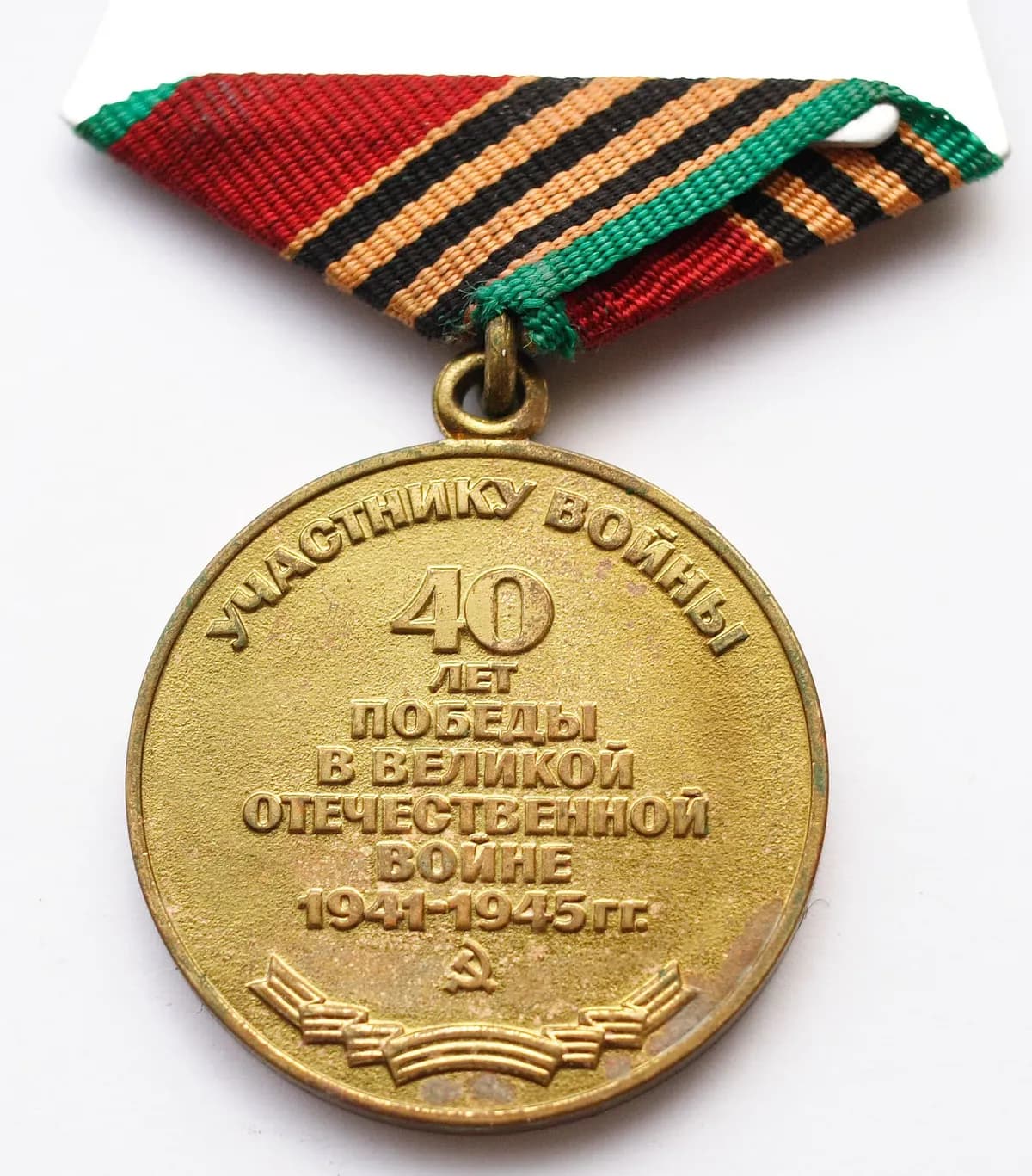
Multiple media reports indicate that Russia requested a two-day truce on 8-9 May to observe Victory Day, the annual commemoration of the Soviet Union’s victory over Nazi Germany in 1945. Victory Day is among Russia’s most significant national holidays, steeped in historical memory and patriotic symbolism. Typically, the celebrations include a grand military parade across Red Square, attended by President Vladimir Putin and top officials, as well as wreath-laying ceremonies at war memorials and mass gatherings across the country.
The event serves not only to honor the estimated 27 million Soviet citizens who died in World War II but also to project an image of military prowess and national resilience. Against this backdrop, any disturbance to the festivities is viewed by the Kremlin as a direct affront. The Russian defence ministry reportedly warned that disruptions could trigger swift retaliation, underscoring the high tension surrounding the holiday’s rituals.
Russia’s proposed ceasefire is specifically tailored to cover this weekend, centered on 8-9 May, with no indication that it would extend beyond. The competing proposals exposed a deep rift in diplomatic approaches. Zelensky reportedly dismissed Russia's truce request as 'not serious,' according to his comments cited by The Independent.
This dismissal signaled that Ukraine would not coordinate its ceasefire with Russia’s Victory Day plans, setting the stage for parallel, unaligned pauses. Observers have labeled the situation a ‘new type of ceasefire dispute,’ distinct from past armistices that were typically negotiated through backchannels and enforced by mutual consent. Here, both warring states are issuing unilateral declarations without direct communication, each seeking to appear reasonable while undercutting the other’s initiative.
The overlapping yet divergent timelines create a precarious patchwork on the battlefield. If Ukraine’s ceasefire begins on 6 May and Russia’s is limited to 8-9 May, there is a window from 6 to 7 May when only one side may consider the truce in effect, boosting the chances of accidental engagements. Conversely, after 9 May, Russia might resume full operations while Ukraine continues its open-ended pause, creating an asymmetric situation that could be exploited.
Moreover, if Russia adheres strictly to its weekend truce, its forces could maintain offensive pressure on 6-7 May, potentially undermining the credibility of Ukraine’s initiative. The Russian defence ministry’s warning of retaliation adds another layer of peril: even defensive Ukrainian maneuvers during the Victory Day window could be misinterpreted as provocations, risking escalation. The political calculus behind each truce highlights differing narratives.
For Ukraine, the open-ended proposal aims to project a commitment to peace and pressure Russia to reciprocate, though skeptics note that it leaves Kyiv vulnerable to renewed attacks if Moscow does not comply. For Russia, securing a pause for Victory Day allows the state to stage its most important public spectacle without the distraction of active combat, while also using the holiday’s symbolism to reinforce the war narrative. The uncoordinated nature of these truces, however, means the symbolic gestures may collapse under the weight of operational reality.
Several critical unknowns cloud the immediate future. It remains unclear whether Russia will accept Ukraine’s broader ceasefire or simply dismiss it while adhering only to its own limited 8-9 May pause. Moscow has yet to issue any public response to Zelensky’s declaration, leaving the Kremlin’s intentions opaque.
The issue of the exact start time also persists: without an official Ukrainian confirmation, the discrepancy between midnight and evening start could cause localized confusion and potentially trigger clashes. Ukrainian authorities have reiterated their stance to observe the truce from Wednesday and to respond proportionally to Russian actions, but the lack of a confirmed time makes compliance a gamble. Meanwhile, reports indicate that Russia’s Victory Day ceasefire is still on track for the weekend, with defense ministry officials preparing for the parades as planned.
The international community watches warily, as the unorthodox truce announcements test the limits of conflict management in a war that has already seen numerous failed peace efforts. The divergence between Kyiv and Moscow over something as basic as a ceasefire’s timing and scope reveals the profound trust deficit and the difficulty of reaching even temporary humanitarian pauses. Without third-party mediation or direct talks, the competing truces may achieve little more than adding another chaotic chapter to the war’s already complex chronology.