

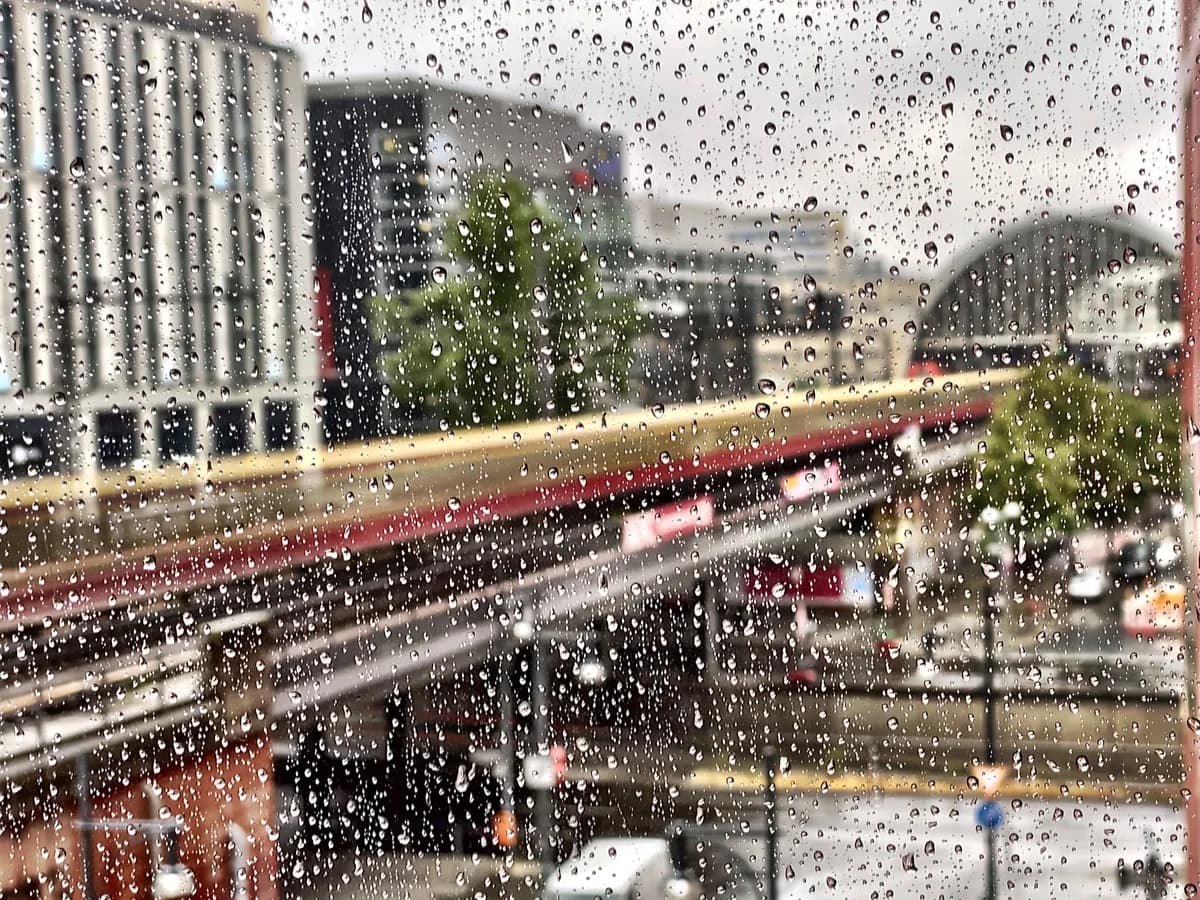
According to the Daily Mail, a group of Britain's most popular tourist attractions has hit out at weather apps after complaining they are costing them millions by putting off visitors. Chester Zoo is spearheading a campaign to change how forecasts are displayed on popular apps. The zoo has coordinated a joint approach on behalf of more than 80 outdoor attractions, including the Eden Project, RHS Gardens, Blackpool Pleasure Beach and Blenheim Palace.
They warn that a single rain cloud icon summarising a 24-hour period can create the impression of a washout - even when much of the day is dry. Operators argue families make decisions based on a quick glance at a phone screen, often cancelling plans if they see there is a possibility of rain. They claimed that around 70 per cent of people check forecasts before heading out.
When families see a raincloud icon, many simply stay home. The reality might be a brief shower at 6am - but the symbol suggests a washout.
The Daily Mail reports that some sites report attendance dropping by up to 30 per cent following an unfavourable forecast. The group stresses it is not challenging forecast accuracy, but how the information is visually presented, particularly by third-party apps that may show overnight rain as an all-day rain symbol. They are calling for the Met Office, government and major weather app developers to explore practical improvements to how forecasts are shown on screen and give families more clarity when planning trips.
Improvements they have suggested include separate daytime and overnight weather icons, clearer written summaries such as 'showers early, brighter later' and indicators showing the proportion of expected dry hours. The Royal Zoological Society of Scotland (RZSS), which manages Edinburgh Zoo and Highland Wildlife Park, has urged the Met Office to enhance how weather forecasts are displayed on popular applications. RZSS claims that 'misleading' weather predictions, specifically rain icons shown for an entire day even if wet weather is only brief, are costing the charity up to £40,000 daily.
As the national zoo and one of the UK's leading attractions, we're speaking up for the wider visitor economy - from heritage sites to theme parks - and the thousands of jobs that depend on spontaneous visits.
RZSS claims that 'misleading' weather predictions are causing a 30 per cent fall in visitor numbers. This misrepresentation can deter up to 2,000 visitors during school holidays, impacting funds for vital conservation work, according to Ben Supple, RZSS deputy chief executive. RZSS has called for discussions with the Met Office, government, and major weather app developers to explore improvements such as splitting weather icons into day and night conditions, adding short summaries, or indicating hours of dry weather.
Dom Strange, Chief Operating Officer of Chester Zoo, stated, 'When families see a raincloud icon, many simply stay home. ' Strange also noted, 'The Met Office is the UK's most trusted weather authority and in a unique position to help lead the way on clearer forecasting so other apps follow their leads. ' Reed concluded, 'This is reflective of analysis across a diverse portfolio of heritage sites, gardens, zoos and theme parks.
' The Met Office, represented by Tabitha Aldrich-Smith, affirmed its commitment to providing accessible forecasts and supporting the outdoor industry, expressing eagerness for ongoing collaboration with the tourism sector. It remains unclear what specific changes or commitments the Met Office or weather app developers have made in response to these calls for improved forecast displays. Additionally, the total estimated financial loss across all 80+ attractions mentioned, beyond the individual figures for Chester Zoo and RZSS, has not been disclosed.
The campaign highlights the economic impact of visual cues in digital forecasting on the UK's tourism sector.