

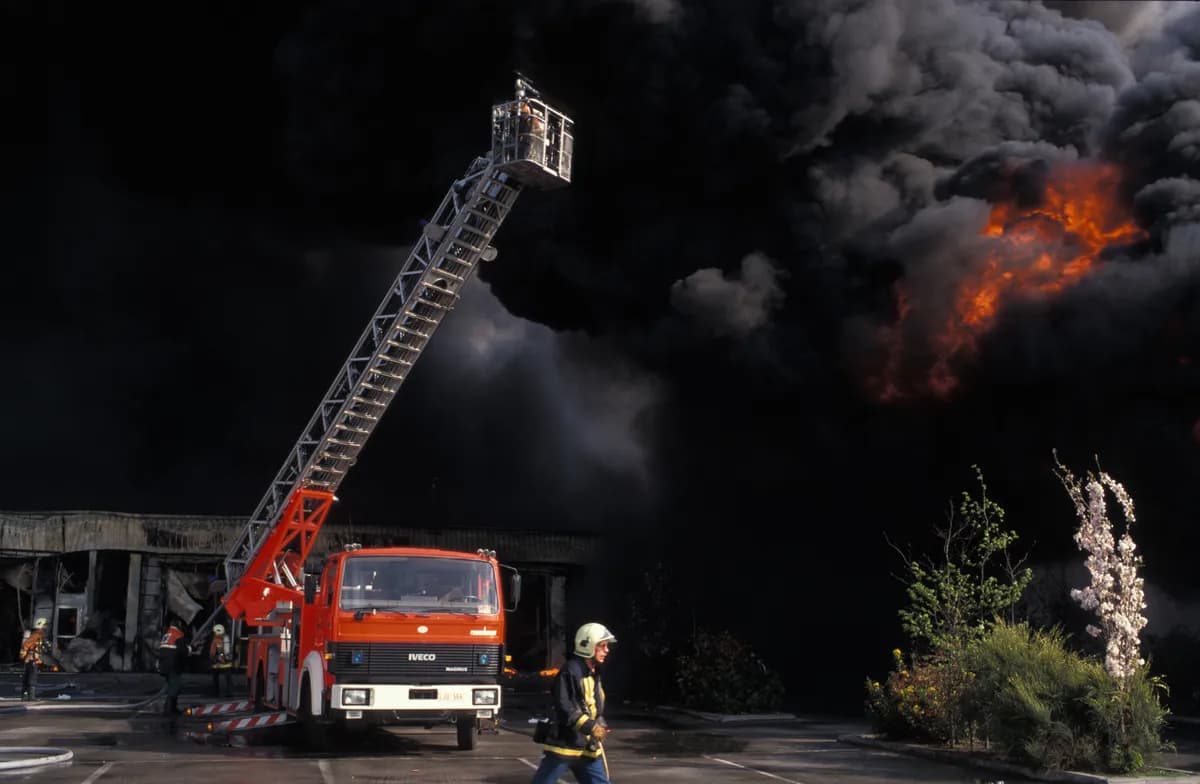
E-bike and e-scooter fires reached a record high in the UK in 2025, according to multiple reports. In a tragic case, Eden Abera Siem, 30, died in a hospital after a fire likely caused by a failing charging e-bike battery at her home in London on June 21, 2025. There were 521 lithium battery-related fires in London in 2025, compared to 80 in 2019, the London Fire Brigade reported.
E-bike and e-scooter fires are frequently triggered by the failure of batteries, conversion kits, or chargers, according to major media. Products purchased from online marketplaces carry a greater risk of malfunctioning than those sold by established retailers due to less regulation, multiple reports indicate. According to Daily Mirror - Main, Nick Bailey described the e-bikes and e-scooters involved in fires as always cut-price products sold through online marketplaces with lax quality control.
The e-bikes and e-scooters involved in fires are always cut-price products sold through online marketplaces with lax quality control.
He also described a growing black market in DIY and counterfeit batteries, particularly for delivery riders, built using battery cells reclaimed from used disposable vapes. According to Daily Mirror - Main, Lesley Rudd described the problem of fires caused by substandard e-bike and e-scooter batteries as swiftly becoming a runaway train that needs to be stopped. Lithium-ion batteries represent a new technological hazard with a low probability of fire but a very high hazard, according to major media.
According to The Guardian - Main UK, Guillermo Rein described it as a new technology that comes with an unintended new hazard that keeps him awake at night. He also described a lithium battery fire as completely different from traditional fires, breaching most layers of protection and being omnipresent. A fire that devastated a historic building in Glasgow and closed Central Station is believed to have started in a vape shop powered by lithium-ion batteries, according to major media.
There's also a growing black market in DIY and counterfeit batteries, particularly for delivery riders, built using battery cells reclaimed from used disposable vapes.
Incorrect disposal of lithium batteries has resulted in serious fires in bin lorries and recycling plants, multiple reports indicate. Lithium-ion batteries in vapes can start fires when crushed, damaged, or thrown away incorrectly, according to major media. Regional fire data shows a surge in London, with 521 lithium battery-related fires in 2025 compared to 80 in 2019, according to the London Fire Brigade.
In contrast, there have been no lithium battery-related fatalities in Scotland from 2009 to 2025, the Scottish Fire and Rescue Service reported. West Midlands Fire Service attended 11 vape-related fires between January 1, 2021, and February 11, 2026, according to major media. According to BirminghamLive, Rob Watchorn described many lithium-ion batteries in vapes as having the potential to start fires when crushed, damaged, or thrown away incorrectly, with some overheating and igniting within seconds.
I wouldn't keep a battery in my home without continuous monitoring – regardless of what the manufacturer's sticker says.
He also described councils and fire services across the country reporting similar incidents, warning about increasing pressure on crews and recycling operators, with the West Midlands reflecting that pattern. He added that vapes should never go in household bins but be taken to dedicated recycling points, returned through retailer take-back schemes, or disposed at Household Waste Recycling Centres that accept batteries. According to Daily Mirror - Main, Nick Bailey described not keeping a battery in his home without continuous monitoring, regardless of manufacturer stickers.
Authorities have not specified what regulations or quality control measures are lacking for e-bikes and e-scooters sold on online marketplaces. The total number of fatalities caused by e-bike, e-scooter, or vape fires in the UK from 2021 to 2025 has not been confirmed. National trends for vape-related fires across the UK, beyond the West Midlands data, remain unclear.
The problem of fires caused by substandard e-bike and e-scooter batteries is swiftly becoming a runaway train that needs to be stopped.
Actions being taken by authorities to address the increasing number of lithium battery-related fires have not been detailed. The effectiveness of current disposal and recycling systems for lithium-ion batteries in preventing fires is uncertain.
It's a new technology that comes with an unintended new hazard that keeps me awake at night.
A lithium battery fire – in terms of the way it develops, the way we detect it and how we suppress it – is completely different from the sorts of fires we have protected our homes, businesses and public buildings against. It breaches most of the layers of protection that we know. And they [the batteries] are omnipresent.
People use these products every day, but many don't know what is inside them. Many of the lithium-ion batteries found inside disposable and rechargeable vapes have the potential to start fires when they are crushed, damaged, or thrown away incorrectly. In some cases, they can overheat and ignite within seconds, and unfortunately, many people don't realise the risk.
In the past few years, we've seen councils and fire services across the country reporting similar incidents, with fire services warning about the increasing pressure on crews and recycling operators. What we are seeing here in the West Midlands reflects that same pattern, and we don't want this problem to continue. Every fire at a recycling centre or waste facility puts crews, site workers and local communities at risk. These are hardworking teams, and they should not be facing avoidable dangers because of how products are being thrown away.
Vapes should never go in household bins. They should be taken to a dedicated battery recycling point, returned through a retailer take-back scheme, or disposed of at a Household Waste Recycling Centre that accepts batteries. If the battery can be removed safely, that reduces the risk even further. This is a preventable issue. With better awareness and proper disposal, we can protect local services, protect workers and stop these fires from happening in the first place.