

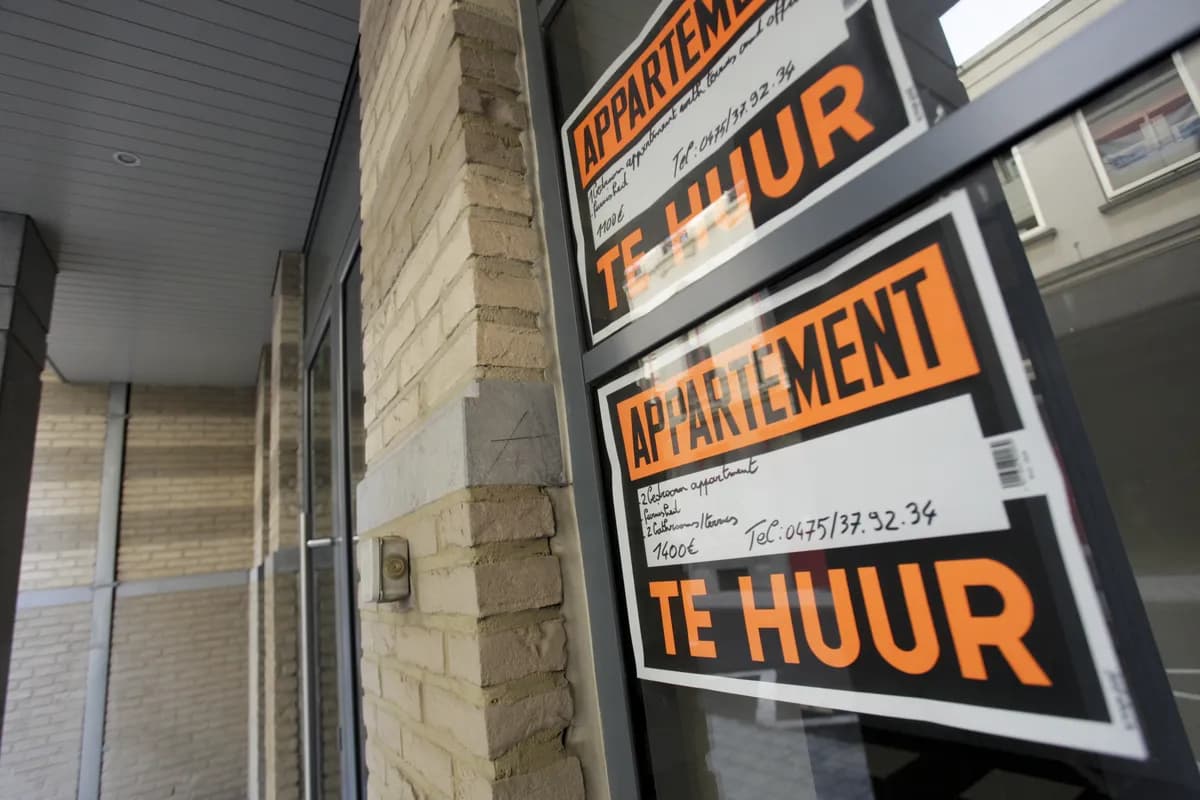
Suzanne Smith, founder of The Independent Landlord, views the Renters' Rights Act as the biggest reform in almost 40 years, set to fundamentally reshape the UK's private rental sector. Its implementation date of 1 May 2026, confirmed by multiple reports, provides a clear timeline for landlords and tenants to prepare for the new regulatory environment. One of its cornerstone provisions, widely reported by major media, is the abolition of Section 21 'no-fault' evictions, which currently allow landlords to end tenancies without providing a specific reason.
Under the new regulations, landlords will face stricter controls on rent increases, requiring them to give two months' notice and limiting hikes to once per year, according to major media sources. Tenants who believe a proposed increase is excessive will have the right to challenge it at a first-tier tribunal, as reported by major media. This mechanism aims to provide a formal avenue for dispute resolution, though its practical effectiveness remains to be tested. The legislation also seeks to prevent retaliatory evictions when tenants complain about poor conditions, offering greater security for those who raise maintenance issues.
I'm a born-and-bred Londoner but I'm leaving because I can't afford it. I'm being driven out of my own home.
Additional protections include bans on discriminatory practices, with major media reporting that landlords will be prohibited from refusing applicants based on having children or receiving benefits. Pet ownership policies will also be standardized, requiring landlords to respond to statutory pet requests within 28 days and provide reasonable grounds for refusal, according to major media reports. These measures aim to create a more equitable rental market and reduce barriers for families and benefit recipients. The combined effect of these provisions is intended to shift power dynamics toward tenants while maintaining landlord rights to manage their properties responsibly.
The Act will also prohibit bidding wars, preventing landlords from accepting rent offers above the advertised price, as confirmed by multiple major media reports. This change targets a practice that has contributed to rapid rent inflation in competitive markets. Furthermore, tenants will gain enhanced rights to challenge poor living conditions without fear of eviction, according to major media. These reforms collectively represent a comprehensive attempt to address long-standing tenant grievances and create a more transparent rental process.
It's at the cheaper end of London and even that is kind of ridiculous for a room.
This legislative overhaul arrives against a backdrop of significant market pressures. The Office for National Statistics reported that average UK monthly private rents increased by 3.5% to £1,367 in the 12 months to September 2025. Affordability has deteriorated sharply, with a Spareroom analysis showing only five London postcodes still having sub-£800 average room rents, down from 81 postcodes in 2020. According to BBC News - Business, tenant Lauren Elcock described being driven out of London due to unaffordable costs, noting that even cheaper areas have become 'ridiculous' for room rents. This squeeze reflects broader economic trends and regulatory uncertainties affecting the housing sector.
Recent survey data indicates early market reactions to the impending legislation. A Spareroom survey found that 30% of tenants who remained in the same rental property since the Act received Royal Assent almost six months ago have faced rent increases. Across all tenants, 11% have been evicted or received eviction notices, according to the same survey. According to BBC News - Business, Matt Hutchinson, director of Spareroom, described the situation as unfair to tenants who have borne the brunt of upheaval since the May 2026 deadline was announced. These figures suggest landlords may be adjusting their strategies ahead of the new rules taking effect.
It will make a tremendously big difference but it only address the issue of security and while that is absolutely essential, it doesn't tackle the other half of the crisis, which is affordability.
There is growing evidence that landlords are exiting the market in response to the Renters' Rights Act and other regulatory changes, according to experts and industry sources. Pepper Money research projects a 5% reduction in rented homes, equating to 220,000 fewer properties available by the end of 2026. According to Daily Mail - Money, Howard Levy, a director and buy-to-let specialist, described how many long-term landlords are selling up despite capital gains tax liabilities because they find it impossible to continue under current conditions. This exodus could significantly constrain rental supply, particularly in high-demand areas.
The financial impact on the private rental sector has been substantial, with Savills data showing a 5.1% decline in sector value (£48 billion) in 2025, the largest drop this century. Over the past three years, the total value has fallen by £79 billion, now standing at £1.47 trillion. These declines reflect investor concerns about regulatory changes, tax reforms, and market volatility. The contraction in sector value may further discourage new investment, potentially exacerbating supply shortages in the coming years.
What we need is clarity from the government for renters, including rules that prevent landlords that do massive hikes.
Reports indicate a surge in no-fault evictions as landlords act before the law changes, with charities noting increasing last-minute evictions. The Acorn renters' union reported that no-fault evictions comprised one in five member reports in October, rising to nearly one in three by January. According to The Guardian - Business, an Acorn spokesperson described this trend as landlords rushing to force through evictions before the ban takes effect. Tenant Kim Mansell, speaking to The Guardian - Business, characterized her eviction experience as 'absolutely diabolical,' detailing her emotional attachment to her home and lack of alternative housing options.
Tenant groups and housing campaigners have criticized the Act for not adequately addressing affordability concerns, arguing that further measures are needed. According to BBC News - Business, Joe Beswick of the London Renters' Union described the Act as making a 'tremendously big difference' for security but failing to tackle the affordability crisis. He called for clearer government rules to prevent massive rent hikes. This criticism highlights ongoing debates about whether the legislation goes far enough to protect vulnerable renters in a high-cost market.
It isn't fair tenants have been at the receiving end of all the upheaval since the 1 May hard deadline was announced.
Significant uncertainties surround the net effect of landlord exits on rental supply and prices, with projections varying widely. The government has not indicated whether additional measures like rent controls will be introduced, leaving affordability strategies unclear. Tribunal effectiveness and criteria for determining 'excessive' rents remain undefined, potentially creating implementation challenges. Enforcement details for eviction justifications under the new law are also vague, with the 999 Club, a homelessness charity and landlord, stating in an official statement that enforcement action is only taken following robust legal advice for significant, persistent issues. The same organization emphasized it has never evicted anyone to increase rents.
The abolition of fixed-term tenancies introduces further unknowns about rental stability and turnover rates. According to The Guardian - Business, Hugh Wilkinson of the Central England Law Centre described how eviction proceedings can be deeply upsetting for long-term tenants, with courts not considering fairness in no-fault cases. According to Daily Express - Finance, Giordan Boston of Sampson Fielding Chartered Accountants warned that the reforms will add complexity and reduce flexibility for landlords, necessitating early portfolio reviews. Conversely, Suzanne Smith told Daily Express - Finance that the Act is manageable for landlords who adapt by understanding new rules, careful tenant selection, and focusing on service.
Most have owned these properties for decades - prior to the tax changes with regard to rental income - and are selling up, even though they know they will incur a capital gains tax bill, because they are finding it impossible to continue.
This disagreement underscores broader uncertainty about whether the legislation will primarily reduce rental supply or prove workable for adaptable landlords. The coming months will likely see continued market adjustments as stakeholders prepare for the 2026 implementation. Policymakers face balancing tenant protections with maintaining a viable rental sector, amid calls for clearer guidance and additional affordability measures. The ultimate impact on housing accessibility and market dynamics remains to be seen as the sector navigates this historic transition.
This isn't a coincidence. Landlords are clearly rushing to force through last-minute evictions before the ban comes into force.
It's absolutely diabolical.
I told them how much I love living here. How much I like the fact that my rent goes to charity, that I don't have a family, so I don't have anywhere else to fall back on.
It can be quite upsetting for people. To think that they've been there for a long time and that the length of time doesn't make any difference. The court won't take into account the fairness of it.
Rental reforms from May 2026 will introduce added complexity for landlords and portfolio owners. Flexibility will reduce and administration will increase, making early review of tenancy arrangements and portfolio strategy essential for landlords.
The Renters' Rights Act is the biggest reform in almost 40 years, but it's manageable for landlords who take time to understand the new rules, are careful about tenant selection and focus on providing a good service.