

The parachute exercise involved three RAF A400M aircraft flying at 800 feet and a fourth plane dropping 24 tonnes of equipment and supplies, according to multiple reports. It tested the UK's Joint Airborne Task Force, a rapid deployment unit designed for global crises. The training scenario involved troops reinforcing a NATO ally facing a potential invasion. After landing, soldiers from 3rd Battalion, The Parachute Regiment marched about 10 miles, dug defensive positions, and prepared for combat with Javelin missiles and mortars. The troops were equipped to handle drone warfare, reflecting modern conflict changes, and the RAF's A400M Atlas aircraft has replaced the retired C-130 Hercules fleet for such operations.
Military leadership emphasized the strategic importance of such exercises. Parachuting remains the quickest way to insert forces into a crisis zone, according to Brigadier Ed Cartwright. An RAF squadron commander said RAF crews were incredibly proud to deliver such a large force package in a single coordinated drop, highlighting the operational coordination involved.
Copehill Down has been there for more than 30 years. People have fired weapons, thrown explosives and made noise and thunder-flashes the whole time and the bats are still there – so what does that tell you?
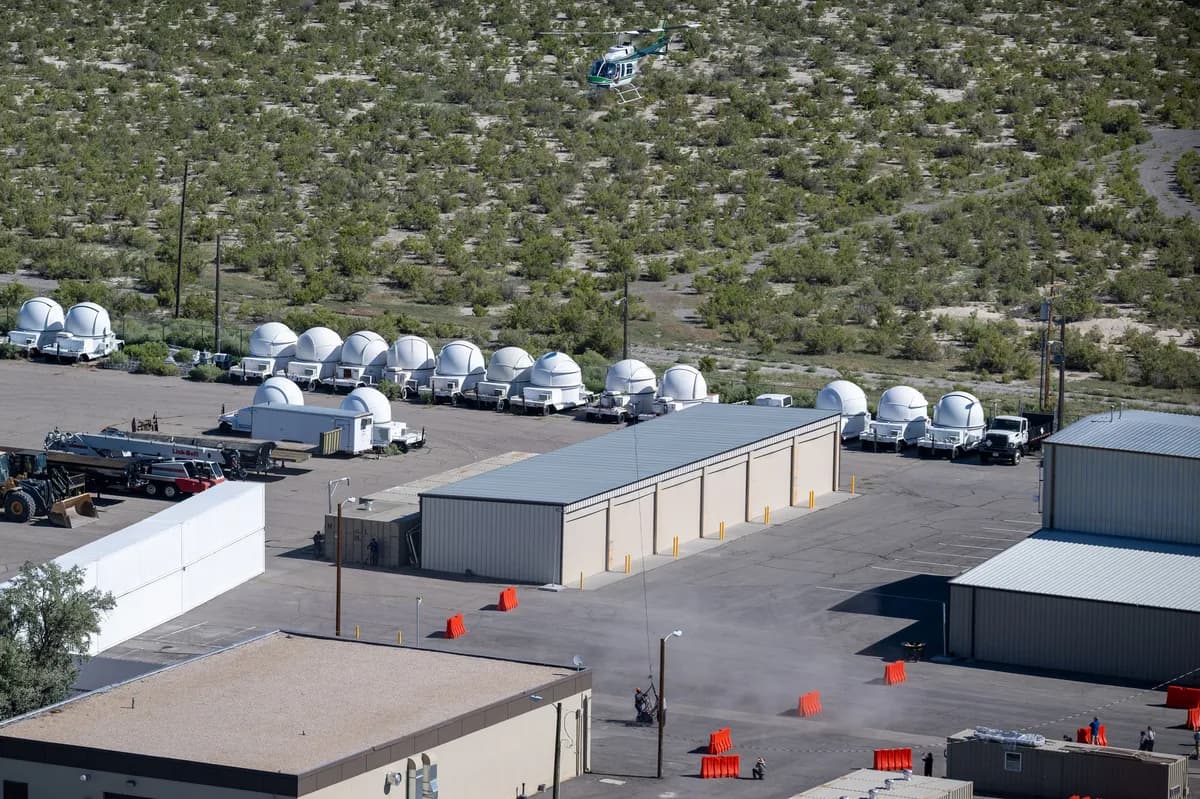
Meanwhile, at the Copehill Down training facility on Salisbury Plain, a 'bat disco' lighting system has been installed to comply with bat-protection laws, according to the Ministry of Defence. Salisbury Plain is the largest military training area in the UK, spanning over 94,000 acres, and Copehill Down is a replica village used for urban warfare training there. The bat lighting system was installed last year during an upgrade of the Copehill Down facility, The Telegraph reported. Bats are believed to inhabit some of the mock buildings at Copehill Down, and the lighting is designed to allow bats to escape safely if disturbed by troops during nighttime drills.
Environmental context and criticism have emerged regarding these bat-protection measures. Artificial light outside bat roosts can affect bats at night, leading eco groups to advocate for 'dark corridors' via shaded lighting. Defence analyst Francis Tusa called the installation of the bat lighting system 'complete overkill', according to Daily Express - UK News.
In response, the Ministry of Defence takes its responsibilities as custodians of Salisbury Plain seriously, a MoD spokesperson said, underscoring the balance between military readiness and environmental stewardship.