

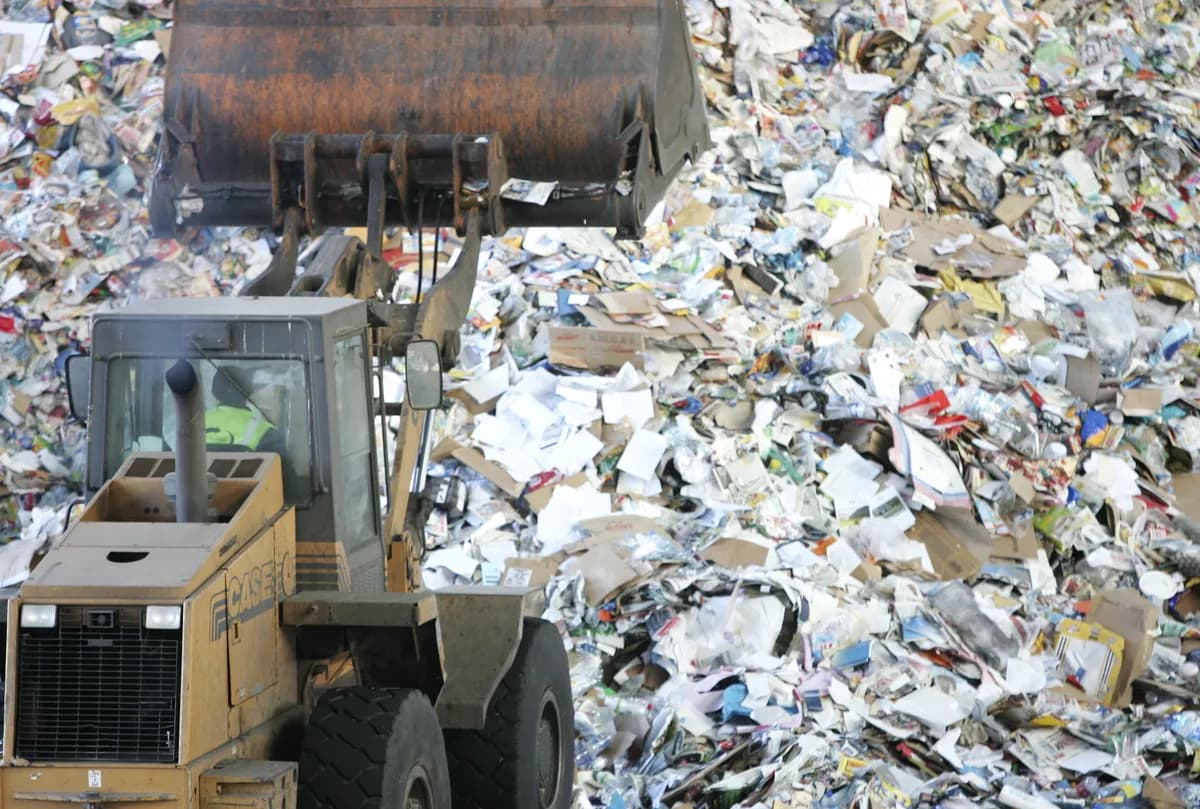
Three of the worst illegal rubbish dumps in England are set to be cleaned up at taxpayers' expense as part of the plan, according to multiple reports. The three sites identified for clearance include a dump in Bickershaw near Wigan, a dump in Sheffield, and a tip in Hyndburn, Lancashire, and together contain 48,000 tonnes of waste. A 20,000-tonne site in Kidlington, Oxfordshire, is already being cleared at a cost of more than £9m, though normally the cost of clearing illegal sites on private land is met by the landowner. The government has not yet said how much the clear-ups will cost.
Residents near these sites have endured significant environmental and health impacts. The Bickershaw dump caught fire last summer, forcing nearby schools to close, according to multiple reports. Residents near the Bickershaw dump have reported being surrounded by rats, flies, and an unbearable smell. One site partly owned by King Charles contains more than 25,000 tonnes of rotting rubbish and is near primary schools and homes, according to multiple reports.
The scale of the illegal waste problem in England is vast. The BBC revealed earlier this year that among hundreds of illegal dumps in England, at least 11 are 'supersites' containing more than 20,000 tonnes. Tens of thousands of tonnes of waste have been dumped in Over, near Gloucester, with witnesses reporting 30-50 vehicles dumping rubbish daily at its height, and a fire in June 2025 at the Over site caused operations to largely cease, though it has not been closed off. The Environment Agency found 749 new illegal waste sites in 2024-2025, double the year before, and illegal dumps account for 20% of all waste in Britain, costing the economy about £1 billion, according to multiple reports.
Controversy surrounds the Bickershaw dump due to its partial ownership. An illegal dump partly owned by King Charles is set to be cleared by the government, according to multiple reports. The Duchy of Lancaster offered to hand over the land to Wigan Council but maintained it had no responsibility to clean it up, insisting only 30% of the land is vested in the King's estate.
New guidance aims to bolster councils' ability to combat fly-tipping. Defra published guidance last month to help councils seize and crush more vehicles used for fly-tipping, according to multiple reports. For the first time, councils are being given comprehensive instructions on how to search, seize, and dispose of vehicles involved in illegal dumping. The guidance encourages councils to publicise enforcement action by 'naming and shaming' offenders on social media, and overt and covert surveillance techniques, including CCTV, drones, and ANPR, are recommended to catch criminals. Councils across England already have powers to seize vehicles involved in fly-tipping, according to research, and the new guidance calls on local authorities to share intelligence with the police, the Environment Agency and National Trading Standards to build cases and run joint operations.
Enhanced enforcement powers and penalties are central to the plan. Local authorities may soon have new powers to force fly-tippers to clean up waste and pay fines without going through courts, according to multiple reports. Fly-tippers could face 20 hours of community service to clean their illegal dumps and fines up to £300, and the Environment Agency could gain police-style powers to search premises without a warrant and arrest suspects. Councils could issue conditional cautions without taking offenders to court, requiring 20 hours of unpaid work and fines up to £300, and under the new Waste Crime Action Plan, illegal dumpers could face up to 20 hours of unpaid work cleaning streets and parks and repaying cleanup costs. The Environment Agency can shut down illegal waste operations immediately with no warning, and operators ignoring restriction notices face up to 51 weeks in prison, according to multiple reports.
Substantial funding and resources have been allocated. The government and Environment Agency are unveiling a package of measures backed by an additional £45 million over three years, according to multiple reports. The Environment Agency's enforcement budget has increased by more than 50% to £15.6 million. Ministers will introduce a Landfill Tax rebate for local authorities that clear sites, and the government is making around £78 billion available to council budgets in England this year as part of the first multi-year funding settlement in over a decade to help fund key responsibilities like fly-tipping, according to research.
Technological and operational strategies are being deployed to catch waste criminals. Fly-tipping is to be combated with investment in drones, CCTV, and high-tech tags that identify the source of dumped rubbish, according to multiple reports. Waste barcodes are being introduced to identify which council collected rubbish and which middleman is involved. Councils will work with the police to identify, seize and crush vehicles of waste criminals, and ministers have launched a rapid review to slash red tape blocking councils from seizing and crushing vehicles, according to research. The Environment Agency will carry out identity and criminal record checks on operators in the sector, and reforms will give the Environment Agency more power to revoke permits, issue enforcement notices and hefty fines.
Statistics reveal a growing problem with mixed enforcement results. There were more than 1.2 million incidents of fly-tipping in England in 2024-25. In 2024/25, enforcement officers from 41 councils seized 139 vehicles linked to fly-tipping, and local authorities carried out 572,000 enforcement actions in 2024/25, up 8% on the previous year. Of the enforcement actions in 2024/25, 69,000 were fixed penalty notices, an increase of 9% from 63,000 in 2023/24, according to research. Incidents of illegal waste dumping on public land dealt with by councils in England were up 9% in 2024/25, to a record 1.26 million cases, and larger cases, in which a tipper lorry load or more is dumped, cost councils in England £19.3m to clear up last year, with the number of such larger incidents rising 11% from the previous year to 52,000.
Criticisms and calls for reform have emerged from councils and associations. Court fines for fly-tipping must be reviewed as they are lower on average than penalties handed out directly by local authorities, councils have said. The average fine for offenders prosecuted through the courts was £539, which is £87 lower than the £626 average fixed penalty notice councils issued for the same offence last year, according to research. The Local Government Association is calling on the government and sentencing council to urgently review sentencing guidelines for fly-tipping. Councils said taking cases to court when people did not pay fixed penalty notices often required lengthy investigations, high evidence thresholds and significant staff time, and fines being handed down by courts frequently fail to reflect the seriousness of offences or the cost to the public.
Broader implications link waste crime to organized crime. Criminals can make large profits by charging to collect waste before illegally dumping it without paying landfill tax, which stands at £126.15 per tonne, according to multiple reports. Fly-tipping gangs use profits to bankroll human-trafficking, drug-smuggling, and gun-running, according to multiple reports.
Proposed legislative changes aim to strengthen the response. A proposal to hand fly-tippers three penalty points was included in a Conservative amendment, but Labour's plan could see a larger points penalty, according to multiple reports. New road rules could be rolled out across the UK to improve licensing for certain drivers and clear vehicles from areas blocking pedestrian access, according to multiple reports. A new crackdown on cowboy waste operators will tackle soaring fly-tipping and clean up Britain’s streets, lanes and rural areas, according to research. Councils currently have to bear the significant cost of seizing and storing vehicles but under new plans, being considered by Ministers, fly-tippers will cover this cost, saving councils and taxpayers money.
Case studies illustrate enforcement actions. One high-profile case highlighted in the guidance involved the London Borough of Croydon, where repeat offender George Smith was jailed for 52 weeks after multiple fly-tipping incidents, according to research.
New powers extend to littering enforcement. On the spot fines of up to £500 are part of new power given to councils by the government to help tackle littering across the country, according to research. Under new guidance, local authorities can issue fixed penalty notices between £65 and £500 for littering, including litter thrown from cars, and the fine will double if not paid within 28 days. For litter thrown from cars, if the person littering cannot be identified then the owner of the vehicle will be held responsible.