

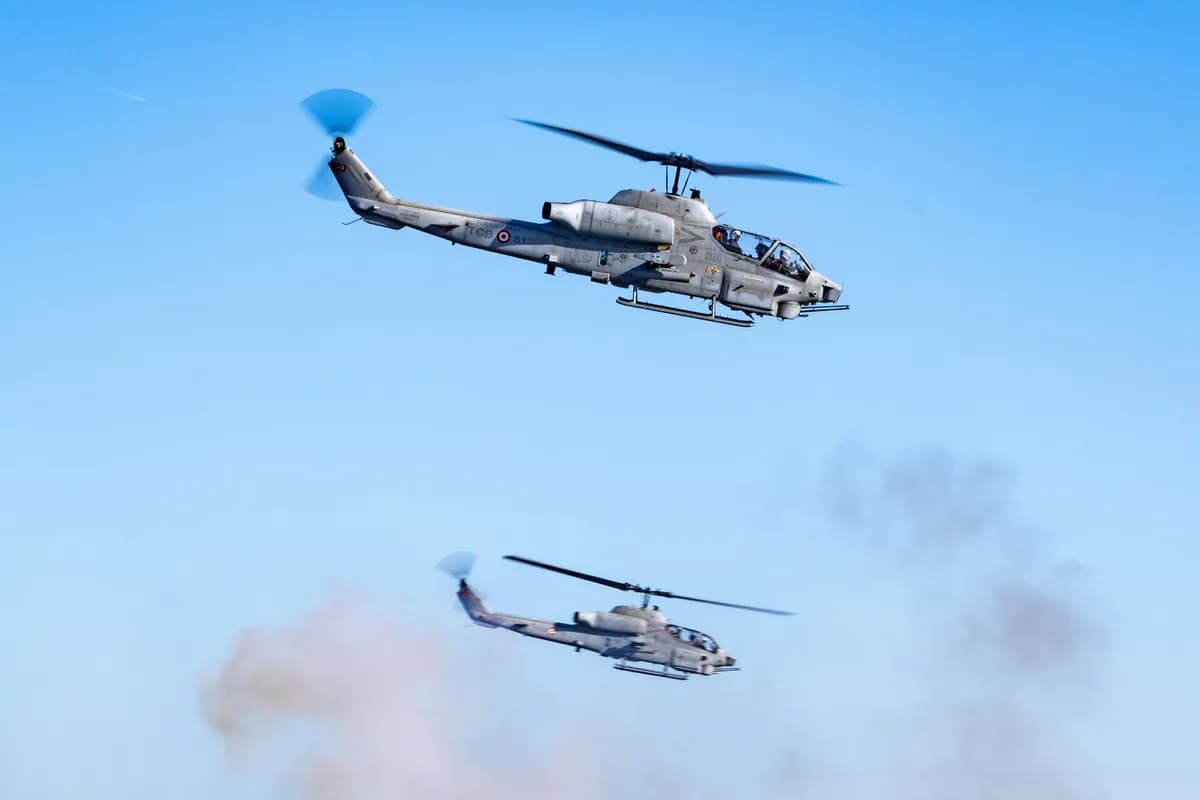
The U.S. military is sending over 2,000 soldiers and three warships to the Middle East region, according to U.S. military sources. Two U.S. Marine Corps forces with about 5,000 personnel are approaching the Strait of Hormuz, officials from two sources confirmed. The Pentagon is building up the largest force of American warships and aircraft in the Middle East in decades, including two aircraft carrier strike groups, multiple reports indicate. This escalation follows the largest U.S. military buildup in the region since the 2003 invasion of Iraq, which began in late January 2026 and was attributed to Iran's nuclear program, the 2025–2026 Iranian protests, and a government crackdown that killed thousands, according to research from nine sources.
Diplomatic channels remain active despite the military posturing. According to an Iranian source to CNN, Iran has had contact with the U.S. via mediators and is ready to listen to 'sustainable' peace proposals that consider the country's interests. One of Iran's demands is that all sanctions against the country be lifted, the source stated. Tehran has consented to prepare a written proposal addressing U.S. concerns about its missiles after indirect talks in Geneva, multiple reports indicate.
President Donald Trump has issued a series of threats and ultimatums. Trump has given Iran 10 additional days before his threat to destroy their energy hubs unless Tehran reopens the Strait of Hormuz, multiple reports indicate. The U.S. is intensifying its military buildup in the Middle East, with President Trump giving Iran '10 to 15 days at most' to agree to a deal over its nuclear program and ballistic missiles, research from nine sources confirms. Trump has threatened military action against Iran if talks over its nuclear program fall apart, and experts warn Iran could retaliate in ways risking American lives and sparking a regional war.
The naval presence is a cornerstone of the buildup. The Trump administration has deployed two aircraft carriers to the Middle East, the USS Gerald R. Ford and USS Abraham Lincoln. The USS Abraham Lincoln and three destroyers have been in the Arabian Sea since late January, and the USS Gerald R. Ford with three destroyers has been ordered there, bringing the Navy's presence to at least 16 ships, multiple reports indicate. The USS Gerald R. Ford is reportedly joining the Abraham Lincoln carrier strike group in the Arabian Sea, according to research from nine sources.
Air power has surged dramatically. More than 100 fighter jets and numerous support aircraft have arrived in the Middle East and Europe, and 12 F-22 stealth fighter jets have been moved to a base in Israel, multiple reports indicate. The U.S. has deployed more than 120 aircraft to the region in recent days, the largest surge since the 2003 Iraq war, research from nine sources confirms. Deployed aircraft include E-3 Sentry AWACS, F-35s, F-22s, F-15s, and F-16s, according to research from two sources.
A ground operation would be 'an absolute disaster' and that the U.S. can't fully defend a single land base in the theater.
Ground troop deployments are under consideration and in motion. Donald Trump is considering deploying 10,000 additional ground troops to the Middle East to give Washington more military options as he seeks peace talks with Tehran, multiple reports indicate. The U.S. military is preparing to deploy at least 1,000 soldiers from the 82nd Airborne Division to the Middle East in the coming days, reports state. Donald Trump is sending thousands of Marines to the Middle East, with an expeditionary force of 2,300 Marines reportedly aboard three new warships, joining thousands already there to total around 5,000, according to multiple reports from 17 sources. However, no decision has been made yet on a possible ground invasion, multiple sources report, and White House spokesperson Anna Kelly said no decision about ground troops has been made yet, and all announcements will come from the Department of War.
One potential objective for U.S. forces is Kharg Island. The additional troops would likely be sent to a U.S. military base within striking distance of Iran's Kharg Island, which Trump has threatened to seize, multiple reports indicate. One possible role for U.S. troops could be to take over Kharg Island, Iran's main oil export hub, which handles 90% of Iran's oil output, multiple reports state. The Trump administration has examined plans to seize Kharg Island to pressure Tehran to reopen the Strait of Hormuz, reports confirm.
Seizing Kharg Island would present significant challenges. Kharg Island has about 20,000 oil workers guarded by the Islamic Revolutionary Guards Corps, who may be used as human shields, multiple reports indicate. The complexity is compounded as prospective American strikes on Iran could be complicated as targets are arrayed across the country, multiple reports indicate.
U.S. troops already involved report severe strain. Some U.S. troops involved in the war are reporting vulnerability, stress, frustration, and disillusionment, with some considering leaving the military, according to interviews with soldiers and advocacy groups. A military official treating evacuated service members said troops are suffering from 'inadequate force protection and planning' and a severe toll from Iranian ballistic missiles and drones. Thirteen U.S. troops have been killed in the war so far, seven due to strikes, and at least 232 have been wounded, multiple reports from 17 sources confirm.
International involvement adds layers to the conflict. U.S. special forces warplanes (MC-130J Commando II) have been deployed from the UK to the Middle East, potentially involving the UK in the war against Iran, multiple reports from 17 sources indicate. Britain's Special Boat Service is on standby to support if U.S. troops launch a ground attack, and over 2,500 U.S. Marines are heading to the Gulf ready to seize Kharg Island if ordered by Trump, multiple reports from 17 sources state. Iran's Foreign Minister Abbas Araghchi warned that allowing UK bases to be used for aggression against Iran endangers British lives and Iran will exercise its right to self-defence.
Our missile power today far surpasses that of the 12-day war.
Regional casualties have mounted significantly. The death toll has risen to more than 1,300 in Iran, more than 1,000 in Lebanon, 15 in Israel, and 13 U.S. military members in the region, with millions displaced in Lebanon and Iran, multiple reports indicate. Israel struck targets in Tehran and Hezbollah positions in Beirut, with no casualties immediately reported, multiple sources state.
Economic impacts are beginning to surface. United Airlines is preparing for oil to reach $175 a barrel due to the conflict's impact on fuel prices, according to United Airlines CEO Scott Kirby.
European responses have been mixed. Sweden is taking further action against Iran after the execution of a Swedish citizen, including no more short-term visas for Iranian embassy staff and pushing for EU sanctions against those involved in the legal process leading to the execution, multiple reports indicate. The European Parliament has pushed for designating Iran's IRGC as a terrorist organization, research from nine sources confirms.
Iran's domestic situation remains volatile. The UN special rapporteur said at least 5,000 protesters were killed in Iran's crackdown, with thousands detained. President Trump threatened military action if Iran carried out executions of prisoners, but later dialed back threats after Iranian assurances, research from nine sources states.
The historical context shows a rapid escalation. Beginning in late January 2026, the U.S. carried out its largest military buildup in the Middle East since the 2003 invasion of Iraq, research from nine sources confirms. This buildup is attributed to Iran's nuclear program, the 2025–2026 Iranian protests, and a government crackdown that killed thousands, according to research from nine sources. On 28 February 2026, this culminated in joint military strikes by the U.S. and Israel, sparking the 2026 Iran war, research from nine sources states.
Several critical unknowns persist. The exact number of U.S. troops currently deployed in the Middle East, and the breakdown by branch and location, has not been publicly detailed. The specific conditions under which the U.S. would launch a ground invasion or seize Kharg Island remain undefined. How Gulf states and other regional allies are responding to the U.S. military buildup, and what access U.S. forces currently have to bases and airspace, is unclear; in late January, Gulf states reportedly blocked military base and airspace access to the U.S. over fears of Iranian retaliation, according to research from nine sources.