

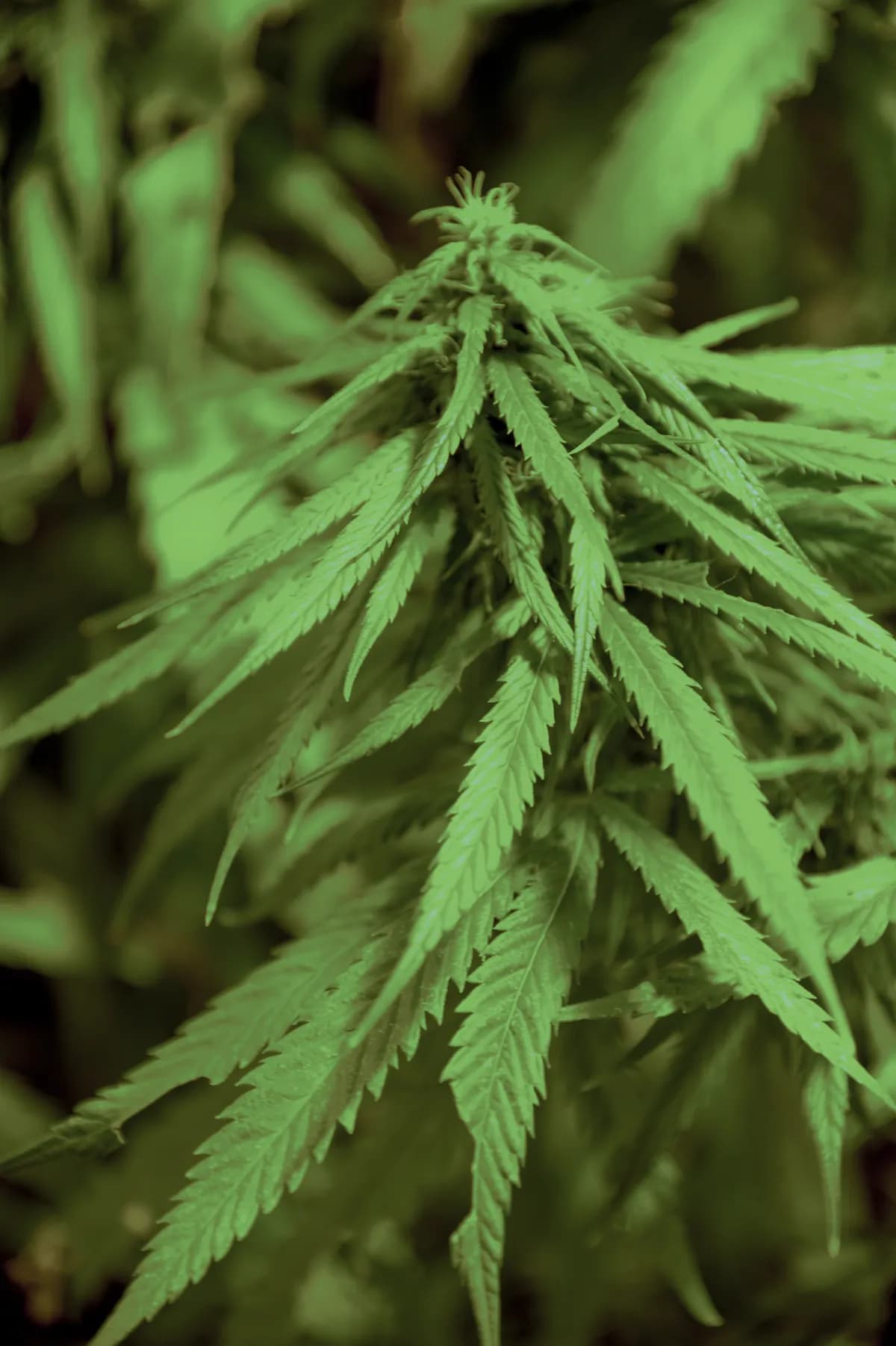
The Trump administration has reclassified state-licensed medical marijuana as a less-dangerous drug, but the move does not legalize cannabis for medical or recreational use. The executive order, signed by Acting Attorney General Todd Blanche on Thursday, shifts medical marijuana from Schedule I to Schedule III under federal law.
The reclassification, reported by multiple major media outlets, marks a significant shift in federal drug policy. Under the new classification, state-licensed medical marijuana operators and cannabis researchers are expected to receive major tax breaks and face less stringent barriers to conducting normal business, according to reports. However, the order does not address current penalties for possessing and selling marijuana, nor does it affect individuals serving yearslong sentences for marijuana-related offenses.
While this is a victory, the fight is far from over.
Virtually no one imprisoned at the federal level is there solely for marijuana possession, reports indicate. Many federal prisoners are incarcerated for large-scale possession, trafficking offenses, or both. The executive order leaves these sentencing structures unchanged, meaning that those already convicted under previous laws will not see immediate relief.
A case highlighting the severity of marijuana sentencing is that of Hector Ruben McGurk, 66, who has been serving life without parole since 2007 for transporting thousands of pounds of marijuana and money laundering, according to major media reports. According to The Independent - Main, Ferna Anguiano, McGurk's daughter-in-law, described his release date as death and noted the disparity between his case and others involving more serious crimes where individuals are released.
His release date is death.
Advocates are now calling on Congress and state lawmakers to ensure fair treatment or forgiveness for those with marijuana-related convictions, according to reports. Jason Ortiz, director of strategic initiatives for the Last Prisoner Project, told The Independent - Main that while the reclassification is a victory, the fight is far from over. It remains unclear how many people are currently incarcerated in federal prison for marijuana-related offenses, what specific steps Congress or state lawmakers will take in response to advocates' calls, and whether the reclassification will affect state-level marijuana laws or enforcement. The timeline for implementing the reclassification and its tax benefits also has not been announced.
I mean, we see all this stuff on the news — bigger cases, fatal cases — and people are going in and out of prison and coming out to their families.