

The county administrative board has sent tick samples to the National Veterinary Institute for analysis, which identified the species as the blunt-nosed tick. According to Anna Lindberg, a nature communicator at the county administrative board, the authority currently does not know what the large number of ticks in this specific area is due to. This uncertainty complicates efforts to address the outbreak effectively, as the root cause remains undetermined despite the species confirmation, and it may hinder long-term prevention strategies if not resolved.
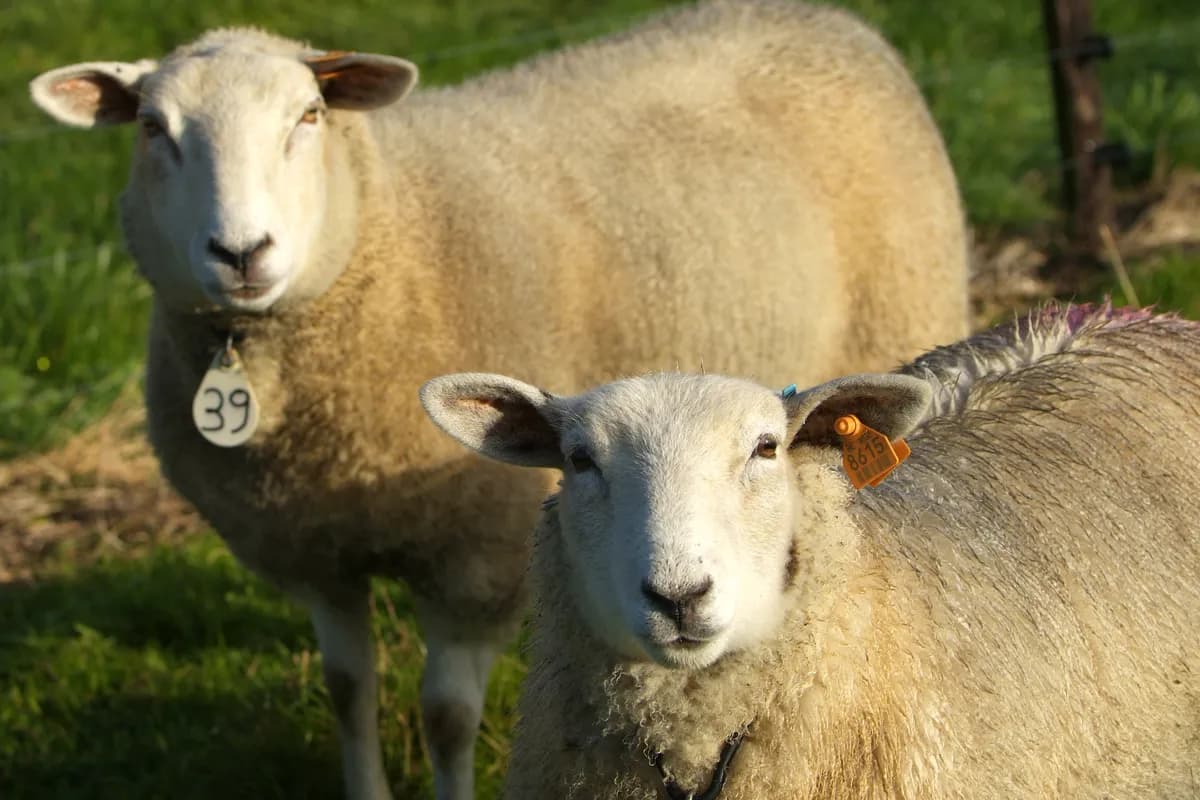
Sheep grazing the lands have suffered from the tick infestation, and visitors, reserve managers, and contractors have all experienced it as troublesome with so many ticks. The impact on livestock has raised concerns about animal health and welfare, though the exact number of sheep affected has not been disclosed, and potential economic losses for farmers are being assessed. Human activities in the area, including recreational visits and management work, have been disrupted by the high tick density, leading to increased nuisance and potential health risks for those involved, such as tick-borne diseases like Lyme disease.
Adjacent fields do not have the same problem, indicating that the outbreak is localized to a specific area rather than widespread. This localized nature suggests environmental or ecological factors unique to that site may be contributing to the tick proliferation, such as microclimatic conditions or vegetation changes. To mitigate the issue, the animals will not graze there this year, and before next season, the affected lands will be burned.
The timing of the planned burning has not been specified, leaving uncertainty about when exactly the intervention will occur, and weather conditions could affect its effectiveness. Measures to prevent the spread of ticks to adjacent fields have not been detailed, raising questions about containment strategies as authorities work to manage the situation, including potential monitoring efforts post-burning. The authority's decision to send samples for analysis was a key step in identifying the tick species, which helps in understanding the biological aspects of the outbreak.
The confirmation of the blunt-nosed tick species provides specific information that can guide targeted responses, though the unknown cause limits broader preventive actions. The suffering of sheep due to the tick infestation highlights the direct impact on agriculture, with potential implications for local farming practices and livestock management. The troublesome experience for visitors, reserve managers, and contractors underscores the broader societal disruption, affecting both recreational and operational activities in the area.
The localized nature of the problem, with adjacent fields unaffected, points to possible site-specific factors that authorities may need to investigate further to prevent future outbreaks. The planned burning intervention aims to reduce tick populations before the next grazing season, but its success depends on factors like timing and environmental conditions, which remain uncertain.