

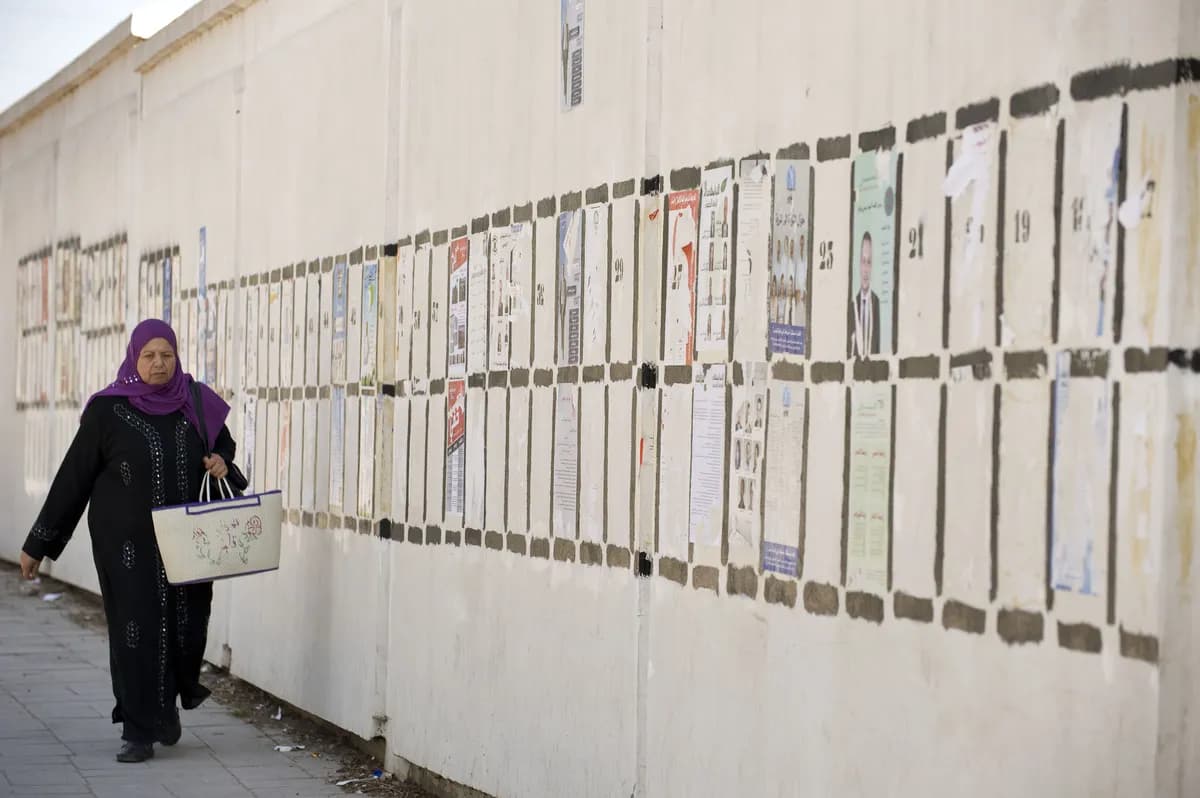
Candidates for municipal elections had until Thursday, February 26 to submit their lists to their respective prefectures. Lists that fulfilled all obligations to be on the starting line for the first round on March 15 were revealed on Friday evening. In Montpellier, thirteen candidates will run for mayor, with two lists registered at the last minute: a 'citizen' team led by Kadija Zbairi and the Workers' Party list led by Sylvie Trousselier.
Montpellier has almost as many candidates as in 2020 (fourteen), making it likely still the most sought-after municipality in France among large cities, tied with Strasbourg for the number of lists submitted and validated. Mayor Michaël Delafosse is favored to succeed himself but will have to go through a second round. The high number of candidates could lead to vote dispersion among outsiders, making it complex to pass the 10% qualifying threshold, potentially resulting in a second-round duel or triangular.
In contrast, many communes in the region have only one list running. 8% of municipalities in the department. 7% of municipalities.
1% of municipalities. In Aveyron, 280 communes have only one list running, representing over three-quarters of municipalities. This situation of single lists is more common in less populated communes due to difficulty finding volunteers, but also occurs in larger communes where the incumbent mayor has consensus or has stifled opposition.
Examples in Hérault include Baillargues, Fabrègues, Pignan, Beaulieu, Bessan, Sauvian, and Boujan-sur-Libron. In Gard, departmental councilors and mayors Christophe Serre of Saint-Paulet-de-Caisson and Nathalie Nury of Roquemaure are also running unopposed. In Lozère, communes like Langogne, Nasbinals, La Canourgue, Chanac, and Le Malzieu-Ville, which are cantonal capitals, already know their mayor.