

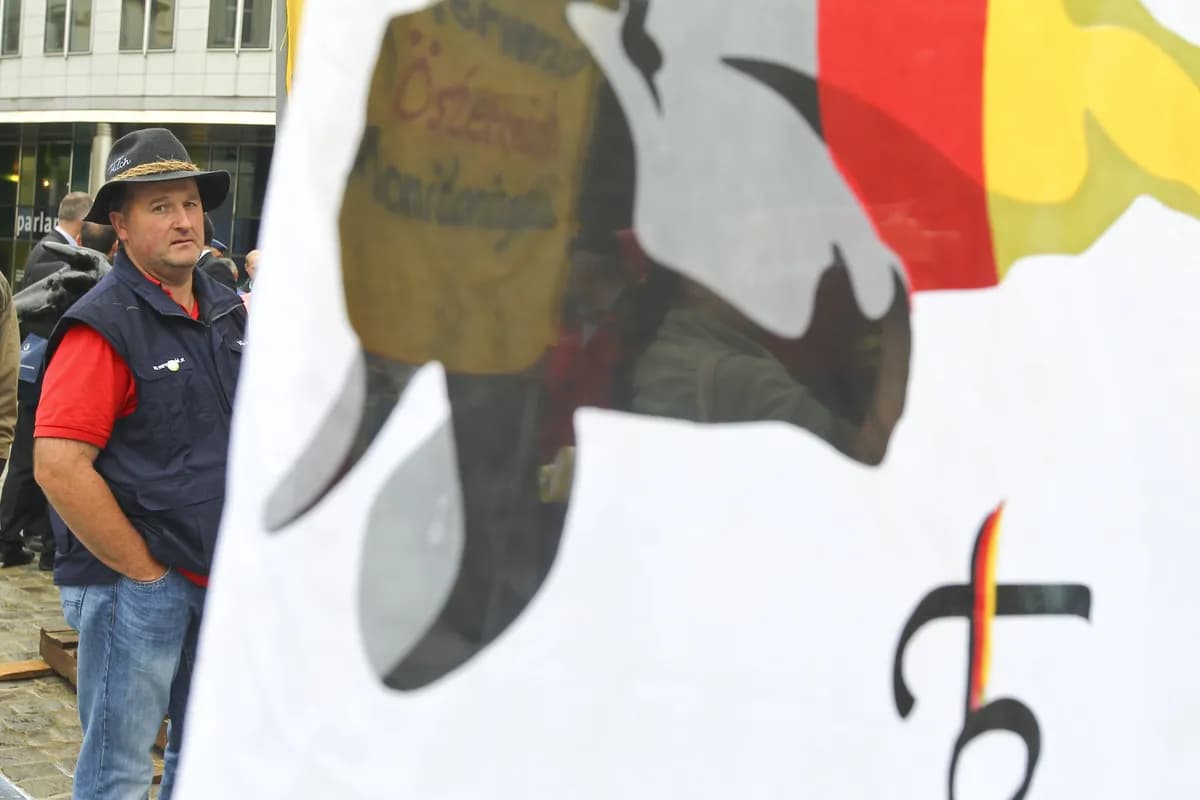
Tens of thousands of protesters marched through Brussels to oppose austerity reforms introduced by Prime Minister Bart De Wever's government. Demonstrators carried banners and chanted as they marched through the Belgian capital, expressing widespread discontent with the government's economic policies. Police estimated the crowd at around 80,000 people, while unions said more than 100,000 people took part in the protest, highlighting a significant turnout.
The protests were part of a broader mobilization by trade unions against planned changes to pension and unemployment systems, which unions argue will disproportionately affect workers and vulnerable populations. Some scuffles occurred during the march, with police confronting protesters and medics treating injured participants, though authorities said the demonstration was largely peaceful. The austerity measures, including cuts to social benefits and reforms to labor laws, have sparked intense debate across Belgium, with critics warning they could deepen economic inequality.
Union leaders have vowed to continue organizing protests and strikes if the government proceeds with the reforms, signaling potential ongoing unrest. The demonstration drew participants from various sectors, including public employees, students, and retirees, reflecting broad opposition to the austerity agenda. Prime Minister De Wever has defended the reforms as necessary to address budget deficits and stimulate economic growth, but protesters remain skeptical of these claims.
The event underscores growing tensions between the government and labor groups over the direction of Belgium's economic policy.