

An Australian tech entrepreneur has helped create what appears to be a made-to-measure cancer vaccine for his dog, Rosie, using artificial intelligence tools such as ChatGPT as part of the process. Rosie is an eight-year-old rescue Staffordshire bull terrier cross that developed aggressive mast cell cancer, a common skin cancer in dogs. Rosie had surgery and chemotherapy, but the disease kept coming back and she ended up with large, ugly tumours on her leg.
Vets told her owner, Paul Conyngham, that she probably had only months to live. Instead of accepting that, Paul Conyngham decided to use the tools he knew from his day job in tech – data analysis, AI and coding – and apply them to his dog’s cancer. Conyngham paid a university lab to sequence the DNA from Rosie’s tumour.
Sequencing produced a huge file listing the mutations that set her tumour apart from her healthy tissues. Conyngham turned to an AI chatbot, asking it how scientists design personalised cancer vaccines and how he might go from a list of mutations to specific targets for a vaccine for Rosie. A cancer vaccine in this context is therapeutic rather than preventive, given to someone who already has cancer, with the aim of training their immune system to spot markers on the cancer cells and attack them.
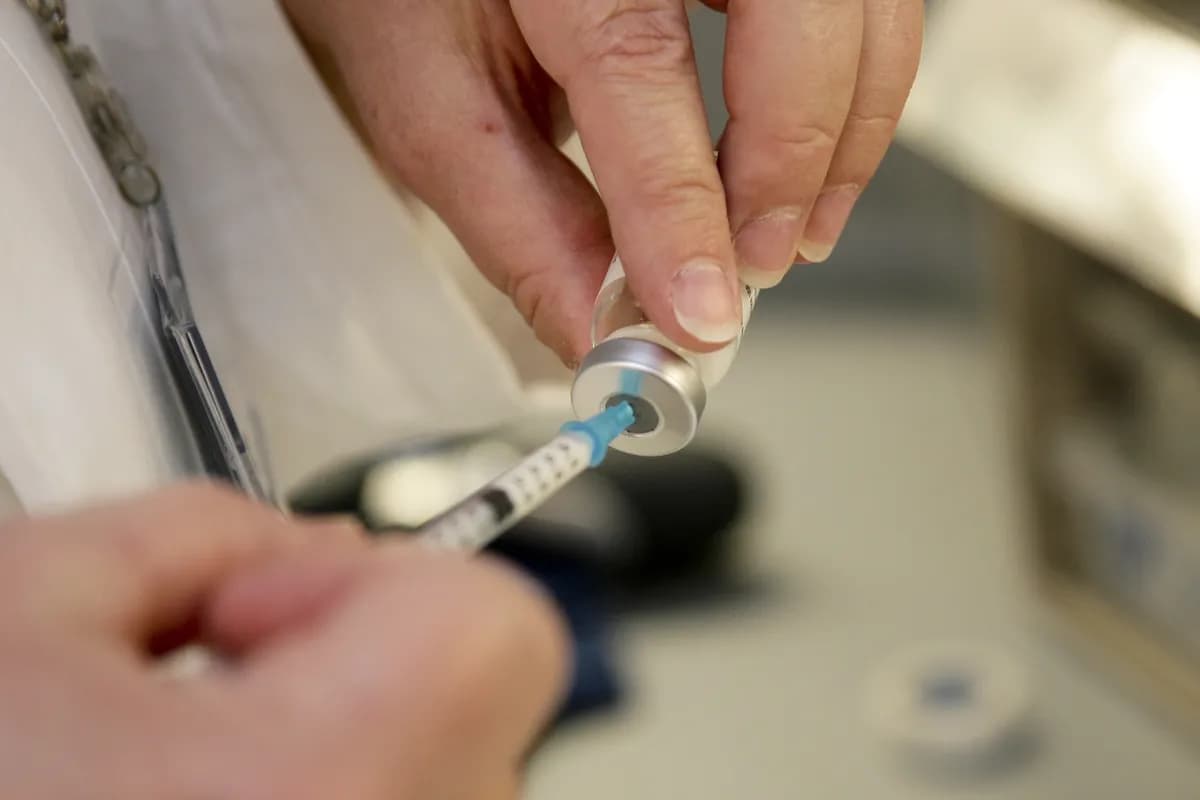
Some of the COVID vaccines use mRNA, which delivers a strand of mRNA that tells cells to make a protein. It remains unknown whether the vaccine was successfully administered to Rosie and what the outcome was, as well as which university lab conducted the sequencing and if they were involved in development, and the vaccine's formulation, delivery method, and any safety or efficacy testing have not been disclosed.