

Adam Carruthers has been released from prison under the Home Detention Curfew Scheme, which allows prisoners to serve part of their sentence at home under strict conditions, including wearing an electronic tag. According to major media reports, Carruthers was released after serving just 10 months of his four-year-and-three-month sentence. The decision for early release is at the discretion of prison governors based on risk assessments, and a Ministry of Justice spokesman confirmed that people released under the home curfew scheme face strict licence conditions and must be tagged. According to Daily Mirror - Main, a source described how prisoners are subject to different risk assessments under the Home Curfew scheme, which may explain the differing outcomes for the two convicts.
According to Judge Mrs Justice Lambert, Carruthers and Graham would serve a maximum of 40% of their sentences in prison, with the remainder on licence in the community. This sentencing structure means Carruthers could potentially complete his sentence under community supervision rather than behind bars. The early release scheme is designed to ease prison overcrowding while maintaining public safety through electronic monitoring and curfews. However, the specific risk assessment criteria used by prison governors to decide early release under the Home Detention Curfew Scheme remain unclear, leaving questions about why Carruthers was deemed eligible while Graham was not.
The tree's felling in September 2023 prompted widespread grief and reflection, according to research from two sources. Carruthers and Graham were also convicted of criminal damage to Hadrian's Wall caused when the tree fell on it, adding to the severity of their crimes. During their trial, Newcastle Crown Court heard the two engaged in a 'moronic mission' to cut down the landmark, which had stood for centuries as a symbol of natural beauty and historical continuity. The case attracted national attention and highlighted vulnerabilities in protecting cultural heritage sites from vandalism.
Prisoners are subject to different risk assessments under the Home Curfew scheme.
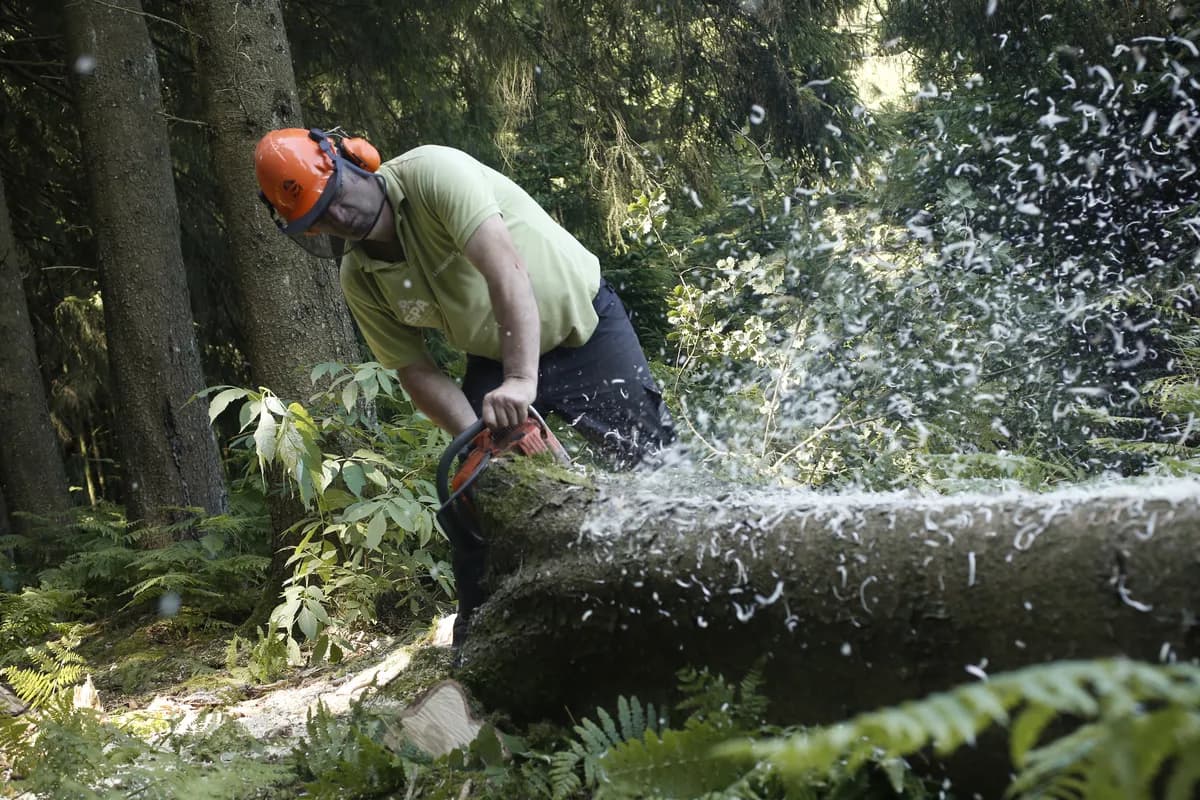
Mrs Justice Lambert was sure Carruthers cut the tree down while Graham drove him there and filmed it, establishing their respective roles in the crime. According to major media reports, Carruthers cut down the tree because he wanted a 'trophy' for his newborn child. Further details from major media indicate Carruthers cut down the tree to mark the birth of his second child, Olivia, after having done something similar for his first child, Charlie. This motive revealed a pattern of destructive behavior tied to personal milestones, though the psychological underpinnings were not fully explored in court proceedings.
Daniel Graham remains in jail and is not due to be freed until January 2027, according to major media reports. Graham spent several months on remand before the trial and remains incarcerated, with no confirmed information about whether he has applied for or been considered for early release under the same scheme as Carruthers. The disparity in their current situations raises questions about the consistency of parole decisions and the factors influencing risk assessments. The current status of the criminal damage charges related to Hadrian's Wall and any additional penalties or restitution required from the convicts also remains uncertain, potentially affecting their future legal obligations.
The early release scheme mechanics involve careful evaluation of each prisoner's behavior, rehabilitation progress, and potential risk to the public. According to Daily Mirror - Main, Steve Blair, general manager at the nearby Twice Brewed Inn, described being 'shocked' to learn of Carruthers' return home, reflecting local community concerns. The scheme aims to reintegrate offenders gradually while maintaining oversight, but its application in high-profile cases like this one has sparked debate about justice and proportionality. Public confidence in the criminal justice system may be tested when perpetrators of culturally significant crimes receive early release, especially when the full extent of damage—both physical and emotional—is considered.
I was 'shocked' to learn of Carruthers' return home.
Major media reports indicate Carruthers was spotted last week having been freed, possibly as early as March 15, though the exact date of his release from prison has not been officially confirmed. This timing suggests his release occurred relatively soon after becoming eligible for the curfew scheme, which typically allows consideration after serving a quarter of the sentence. The uncertainty around the precise release date highlights gaps in public transparency regarding parole decisions, particularly for cases that capture national interest. Monitoring of Carruthers' movements and compliance with curfew conditions will be crucial in the coming months to ensure public safety and accountability.
The National Trust has launched a public vote to select an artist to create a new public artwork from the wood saved after the illegal felling of the Sycamore Gap tree, according to the organization. The public vote invites people worldwide to choose from six shortlisted proposals, with the final selection combining 30% public vote and 70% judges' score. Sarah Munro, CEO and creative director at BALTIC Centre for Contemporary Art in Newcastle and a member of the judging panel, emphasized that the Sycamore Gap tree belonged to everyone, underscoring the communal loss and the desire for a meaningful legacy. This artistic response aims to transform tragedy into creativity, engaging the public in the healing process.
The wood from the felled tree has been stored for 28 months to season and is now ready for artists to work with, according to research from two sources. Annie Reilly, public engagement director at the National Trust and chair of the judging panel, noted that the wood is now ready for artists to work with after being carefully stored so it could season over the past 28 months. This careful preservation ensures the material retains its quality for artistic transformation, honoring the tree's history while creating something new. The selected artwork will serve as a permanent memorial, potentially displayed near the original site or in a related cultural institution.
The implications of Carruthers' early release extend beyond individual justice to broader questions about parole system transparency and equity. Why exactly Adam Carruthers was deemed eligible for early release while Daniel Graham was not, given they received identical sentences, remains unexplained by authorities. The lack of detailed public information about risk assessment processes fuels speculation and may undermine trust in judicial outcomes. Additionally, the timing of releases for high-profile offenders can influence public perception of sentencing effectiveness and rehabilitation priorities.
Further unknowns surround the legal and financial repercussions of the crime, including whether restitution for damage to Hadrian's Wall has been addressed. The criminal damage charges added complexity to the case, but their resolution in terms of fines or repair costs has not been publicly disclosed. As Carruthers begins his supervised release, monitoring his compliance and any required community service will be essential. The case continues to evolve, with potential appeals or further legal actions that could affect both convicts' futures and the legacy of the Sycamore Gap tree.