

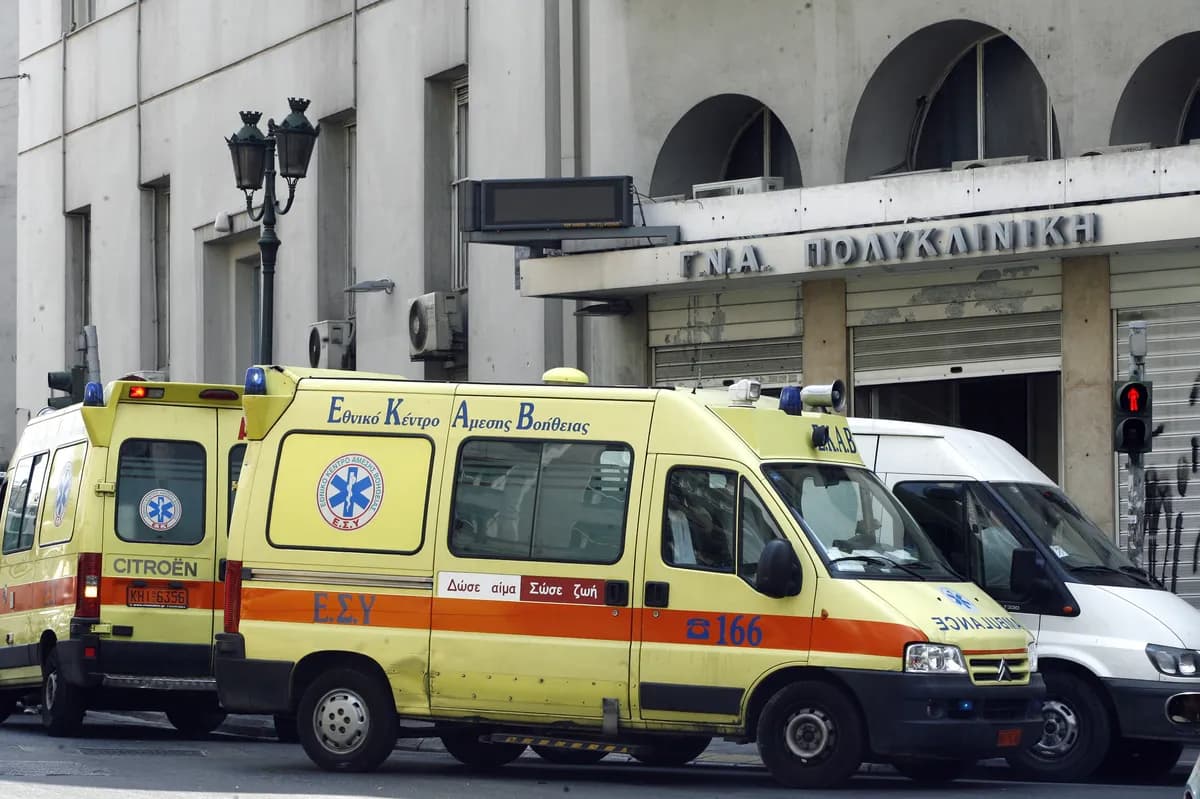
Region Sörmland's network failure, caused by a central component failure according to IT director Urban Petrén, was resolved by around 1:30 PM. Healthcare largely functioned as usual and ambulance services were not affected, the region said. The cause is being investigated internally, and the regional staff situation initiated in the morning ended at 2:40 PM.
According to SVT Sörmland, ST doctor Alexander Dangler described that staff could access patient records but could not enter new information, send referrals, or order tests, resorting to paper and pen. Patients seeking care may experience longer wait times, he added. Region Gävleborg's disruption affected telephony and operations including Gävle hospital and health centers, with some impact at Hudiksvall hospital, according to deputy healthcare director Susanna Björklund.
We have a relatively large network and during the morning a central component was knocked out which affected us in several ways. Our websites were down and healthcare could not work in their systems, for example.
The region assessed that the disruption was not caused by an IT attack. Backup routines maintained operations, including activation of backup login to Cosmic, said Martin Andersson. Ambulance alarms worked via Rakel and the emergency department received patients as usual, Björklund added.
A regional staff situation was activated to coordinate resources. Troubleshooting continues to identify the cause. The disruption was linked to Telia outages affecting several customers, impacting ability to call 1177 and book medical transport.
There are always backup routines to use when various disruptions occur. It creates some extra work for our employees but the patients have, as far as I understand, been taken care of well even during the morning.
Separate disruptions hit the TeleQ telephony system and the 1177 healthcare guide. TeleQ problems, which made it difficult to reach healthcare centers by phone, were resolved shortly after 10 AM, according to officials. The TeleQ disruptions did not affect 1177 by phone, but increased call volume caused some overload.
According to reports on Downdetector, problems with 1177 began around 2:30 PM, with users encountering an error message when trying to log in. Inera, the company that runs 1177, confirmed disruptions and said they are investigating, with no prognosis for when access will be restored, according to press officer Annicka Troedsson. Other IT issues include a new telephone system at the Swedish Transport Administration that has raised safety concerns among employees after alarm calls were delayed or misdirected, according to major media reports.
We are returning to normal operations and stop using backup routines and emergency telephones. This means that healthcare can now be conducted as usual.
Halmstad municipality experienced a Tele2 disruption starting at 10 AM the previous day, expected to be resolved by 5 PM, according to IT technician Ahmad Bazerbashy. The medical records system in Region Östergötland has been down since Friday morning, press secretary Bodil Knuthammar confirmed. In Finland, Kela's websites are out of service, with the extent of the fault under investigation; pension and benefit matters can be handled by phone between 9 AM and 4 PM, Kela advised.
Ambulance alarms have worked as usual via Rakel and the emergency department has received patients as usual. The impact that has existed is disruptions in telephony. Patients who need care should, as always, primarily contact their health center or 1177, and in case of emergency always call 112.
The staff situation means that we can prioritize the most urgent needs and have a unified leadership during the disruption. It is a way to ensure that patients are affected as little as possible.
If you don't have a serious condition, you may need to go home and come back at a later time, but it is important that you do not hesitate to seek care.
It depends on what you put into the concept. We have backup routines that we work through but it is clear that it is more difficult and that this type of information transfer entails a potential risk.