

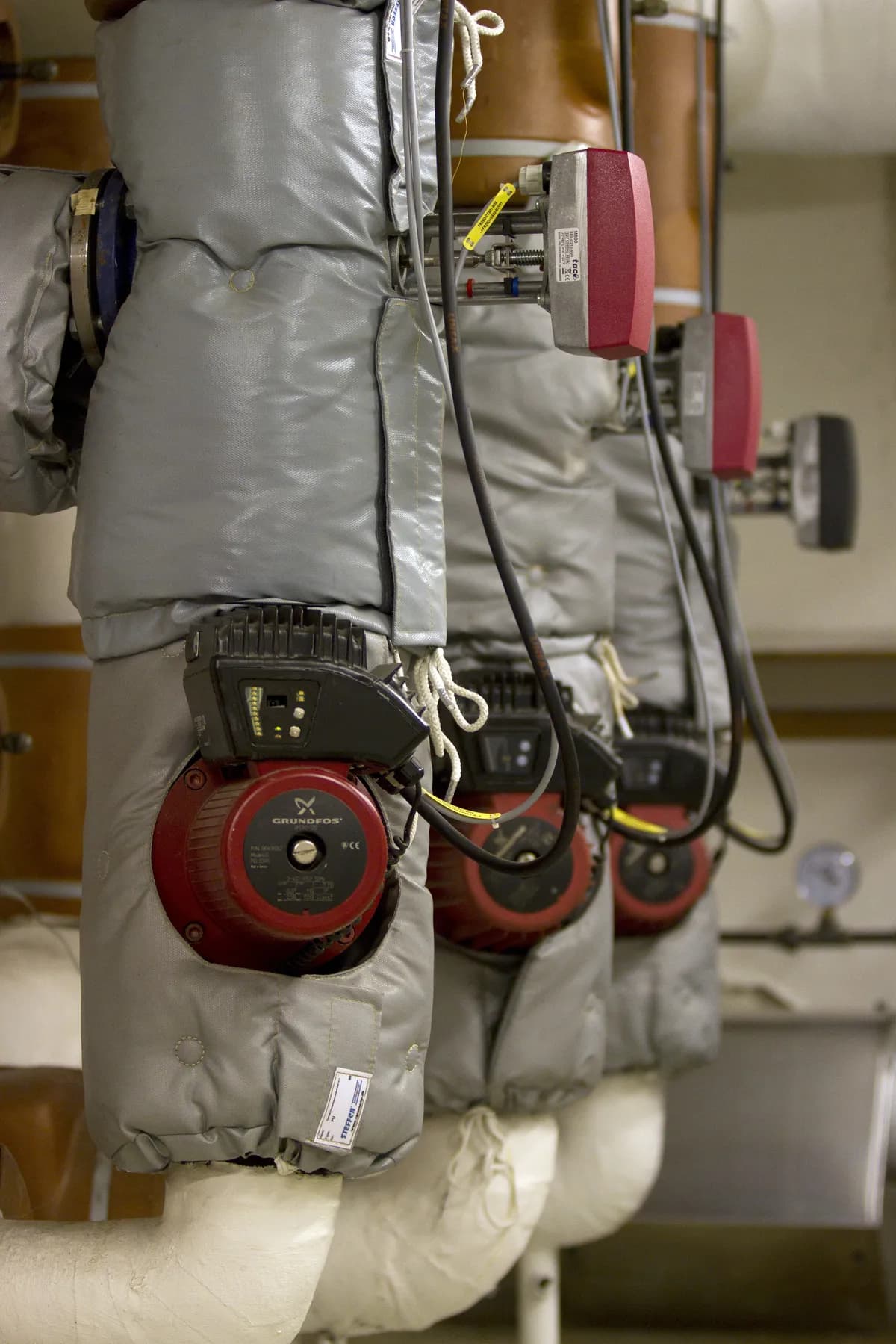
The cyberattack targeted a heating plant in Western Sweden in spring 2025, according to multiple reports. Minister for Civil Defence Carl-Oskar Bohlin confirmed the attempt occurred in spring 2025, stating that no serious consequences occurred due to a built-in safety mechanism. The failure of the attack prevented any significant disruption to the facility's operations, though the precise date and technical details of the incident remain undisclosed. This event marks a notable intrusion attempt on Swedish critical infrastructure amid heightened regional tensions.
Sweden's security service, Säpo, handled the investigation and identified the perpetrators as an activist group with links to Russian intelligence, multiple reports indicate. The identity of this specific group has not been publicly revealed, and it is unknown whether any arrests or legal actions have been taken against those responsible. The linkage to Russian intelligence suggests a level of coordination that aligns with broader Western allegations of state-sponsored subversion. Säpo's findings point to a deliberate attempt to compromise infrastructure, albeit one that was thwarted by existing safeguards.
Swedish officials have issued warnings about a shift in Russian behavior following the attack. According to Minister for Civil Defence Carl-Oskar Bohlin, the situation indicates a changed, more risk-prone and careless behavior from Russia, which could lead to potentially very harmful societal effects. Bohlin emphasized that the government takes the attack very seriously, reflecting heightened concern over Moscow's tactics. This assessment signals a departure from previous patterns, where Russian operations were often more covert and cautious, raising alarms about potential escalation.
The Swedish incident fits into a wider context of alleged Russian sabotage campaigns across Europe. Western governments and intelligence agencies allege that Russian military or intelligence services systematically organized acts of sabotage across Europe, including arson, assassination plans, railway damage, vandalism, and electronic interference such as GPS jamming, as part of a hybrid war aimed at destabilizing countries that support Ukraine during the Russia-Ukraine war. European officials report that the number of suspected Russian sabotage incidents surged in 2023–2024, targeting critical infrastructure including gas pipelines and communication cables. Officials say the sabotage campaign is largely coordinated by Russian intelligence (GRU) and executed by covert operatives or locally recruited perpetrators, creating a diffuse but persistent threat.
Russian authorities have consistently denied responsibility for sabotage in Europe and blame other actors for the incidents. This denial contrasts sharply with the assessments of Western intelligence agencies and European governments, which point to a pattern of state-sponsored aggression. Moscow's stance complicates diplomatic efforts to address the sabotage, as it rejects accusations and often attributes incidents to domestic or non-state actors. The conflicting narratives have fueled tensions, with European leaders calling for increased vigilance and countermeasures.
NATO and the European Union have characterized the Russian campaign as a serious security challenge. In 2025, NATO described the level of sabotage threats as 'record high' and stated that it viewed the Russian campaign of subversion as a serious security challenge to Europe. By 2023, NATO and EU officials stated that Russia was waging a coordinated campaign of subversion and sabotage below the threshold of overt warfare, targeting Europe's critical infrastructure and civilian morale. The International Institute for Strategic Studies documented over 50 sabotage events in Europe from 2022 to mid-2025 that were likely linked to Russia, underscoring the scale and persistence of the threat.
European security services have analyzed the tactics employed in these sabotage operations. According to European security services, the sabotage campaign was deliberately done with low casualties and kept at a moderate level. This approach allows Russia to exert pressure and create instability without triggering a full-scale military response, operating in a gray zone between peace and conflict. The focus on critical infrastructure, such as energy and communications, aims to undermine economic resilience and public confidence in governments supporting Ukraine. The low-casualty strategy reflects a calculated effort to avoid escalation while achieving strategic objectives.
Sweden's specific security situation has evolved in response to these threats. The Russian invasion of Ukraine is affecting Sweden's security, but the risk of an armed attack against Sweden is currently assessed as low, according to research from three sources. However, there is an increased risk of influence operations and other hostile actions in Sweden, including sabotage against subsea infrastructure, recurring cyber attacks, and ongoing political influence campaigns targeting Sweden. This dual assessment highlights a shift from traditional military concerns to asymmetric threats, requiring adaptations in defense and intelligence strategies.
The Swedish Security Service has provided a detailed threat assessment in light of recent events. Russia continues to pose the greatest threat to Sweden, with the Security Service assessing that Russia is taking greater risks than before and acting more aggressively through covert influence operations. There is a threat of sabotage from Russia aimed at halting Western support for Ukraine, according to research from three sources. So far, Sweden has not been subjected to any major attacks or traditional acts of sabotage, but the Security Service has observed attempts at cyber-sabotage from Russia, indicating a persistent and evolving challenge.
Sweden's NATO membership is a direct response to this changed security environment. Sweden is a member of NATO, having applied for membership in light of the changed security situation following Russia's invasion of Ukraine, with the Government believing it is the best way to safeguard Sweden's security. This move aligns Sweden with a collective defense framework, enhancing its ability to deter and respond to hybrid threats. Membership provides access to intelligence sharing, joint exercises, and security guarantees, bolstering national resilience against Russian aggression.
Regional implications of the Swedish attack are evident in neighboring countries. Norway and Denmark have experienced similar events, according to multiple reports. The specific critical infrastructure targeted in these nations remains unknown, but the pattern suggests a coordinated effort across Scandinavia. These incidents reinforce concerns about Russia's broader strategy to undermine stability in Northern Europe, leveraging proximity and vulnerabilities in infrastructure. The shared experiences have prompted increased cooperation among Nordic security services to counter the threat.
Key unknowns persist regarding the Swedish heating plant attack. The identity of the specific activist group linked to Russian intelligence that attempted the cyberattack has not been disclosed, and the exact date and technical details of the attempt remain unclear. It is also unknown whether there have been any arrests or legal actions taken against the perpetrators, leaving gaps in public understanding of the response. These uncertainties complicate efforts to assess the full scope of the threat and implement targeted countermeasures.
Further unknowns extend to regional attacks and Swedish defense capabilities. The specific critical infrastructure targeted in Norway and Denmark that experienced similar events to the Swedish heating plant attack has not been detailed, obscuring the full pattern of sabotage. Additionally, the current status of Sweden's defenses against future cyber-sabotage attempts from Russia, given the observed attempts, remains unspecified, raising questions about preparedness and resilience. Addressing these gaps is crucial for developing effective strategies to protect critical assets and maintain security in the face of ongoing threats.