

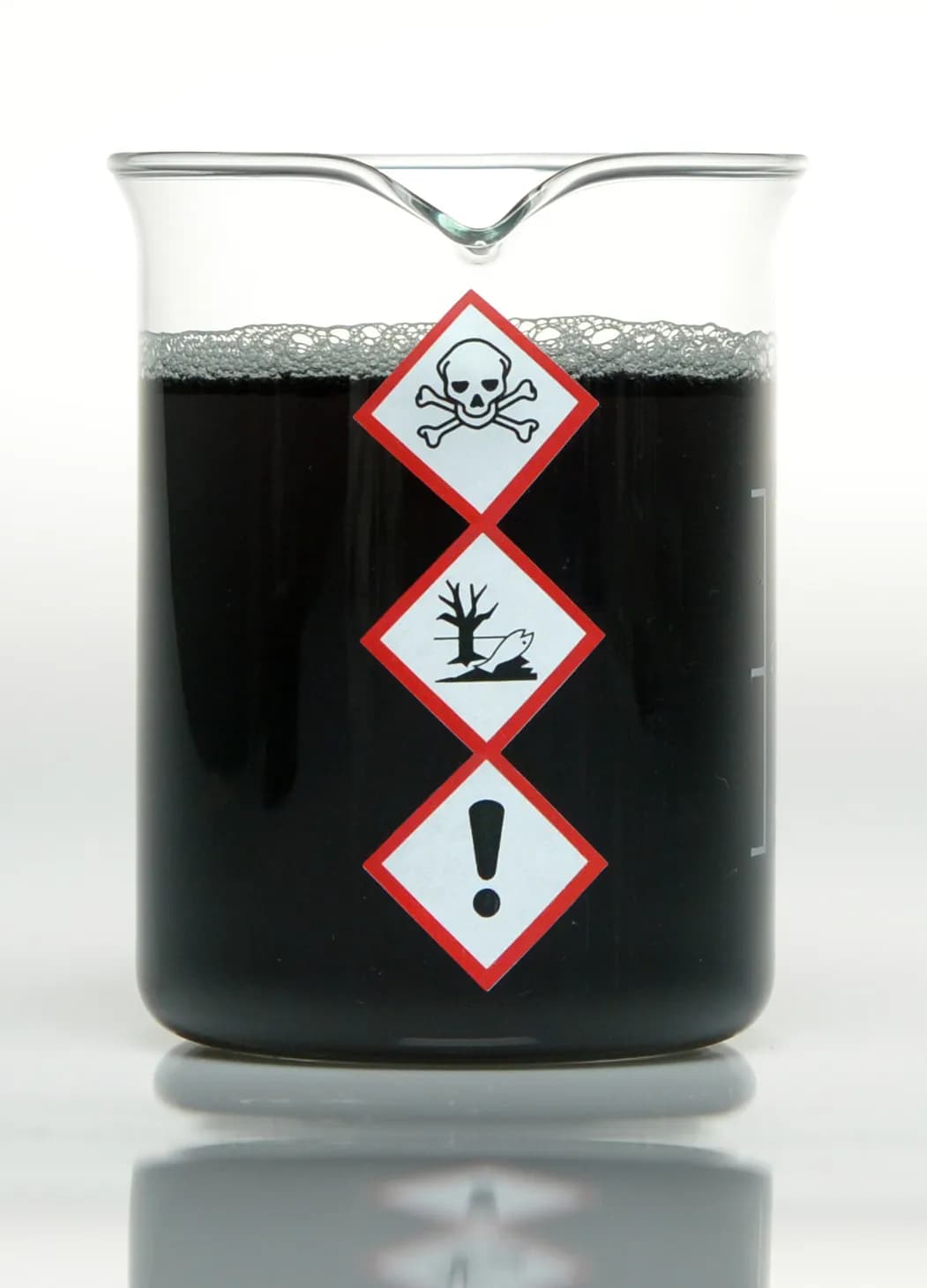
According to Jennifer Astorsdotter, an inspector at the Chemicals Agency, illegal pesticides were found on all e-commerce platforms, but the problems were particularly clear within dropshipping. She stated that at least 58 percent of the products checked were assessed to have been sold via dropshipping. The agency identified a total of 140 illegal products in its review.
For a pesticide to be legally sold in Sweden, it must be approved by authorities, and unauthorized or incorrectly used pesticides can pose risks to both health and the environment, Astorsdotter explained. Several of the products were approved in other countries but lacked approval for the Swedish market, making them illegal to sell or use domestically. Consumer safety issues were also noted, as multiple products lacked information in Swedish, meaning consumers cannot know how to use them safely.
After the review, the sale of illegal products was stopped at 33 of the 35 e-commerce actors involved. When the responsible actor is based in Sweden, the agency files a police report about suspected crime. However, Astorsdotter noted that it can be difficult to stop illegal pesticides sold by foreign actors, as some avoid contact with authorities.
The review was conducted in 2024 and covered 35 e-commerce actors selling pesticides to consumers. Dropshipping stores often appear as regular web shops but lack their own inventory, and it is not apparent that products are shipped directly from outside the EU. Among the products reviewed were insecticides, rat and mouse poisons, and various deterrents.
The specific e-commerce actors involved have not been disclosed. It is unclear how many police reports were filed or what penalties are being pursued against foreign sellers. No health or environmental incidents linked to these pesticides have been reported.
Measures to prevent future sales via dropshipping remain unspecified.