

A farmer in northern Värmland has been issued an animal ban by the Värmland County Administrative Board due to recurring and serious deficiencies in his cattle husbandry since 2015. Inspections by the county administrative board have repeatedly found deficiencies at the man's barns, including cattle lacking protection from weather, being underweight, neglected hoof care, standing in manure, lacking companionship, and some not having enough water. During a control last year, a 17-year-old thin cow was put together with a bull to get her pregnant. The ban applies to hoofed and cloven-hoofed animals, and the man must get rid of the cattle within six weeks. In early December last year, a report was made to the county administrative board about the man's dog keeping, alleging that the dogs were not walked and one was very thin with visible ribs. During a control on December 12, deficiencies were noted in both claws and dental health of the dogs, including brown coating on teeth and heavy tartar.
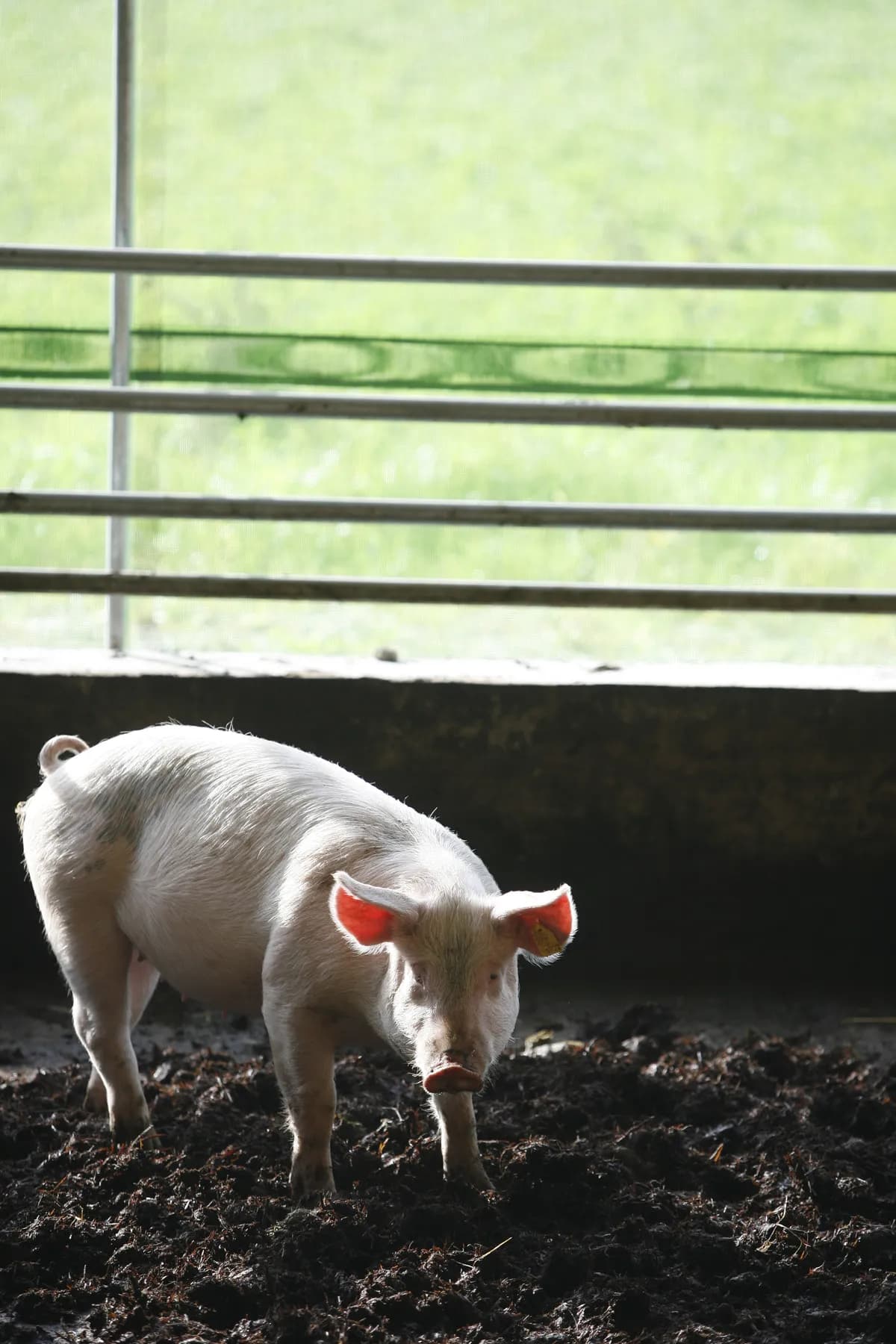
In early April, the county administrative board's animal protection inspectors conducted a control at a property in Tingsryd municipality after receiving a concern report from the police about two older dogs being in very poor condition. The county administrative board is now intervening against an animal owner in the Hörby area after repeated and serious neglect, with two dogs and a dwarf hamster found in poor condition during several controls, including with too long claws, emaciated, and in an environment causing stress and suffering. For several years, the Hörby man in his 50s has subjected his animals to neglect, with documented deficiencies including undernourished pigs without water, dirty sheep, and dead turkeys among live animals. The man is now banned from both owning and taking care of animals.
At the beginning of the year, the Jämtland County Administrative Board decided to immediately seize a large number of animals from a farm in the county after confirming serious deficiencies in animal husbandry. The Dalarna County Administrative Board has decided to immediately seize a cat in Garpenberg, Hedemora municipality, which lacks an owner, has been seen in the village for several years, and is described as aggressive and worn.
Frequent spillover of animal influenza viruses to humans with or without intermediate hosts poses a serious zoonotic and pandemic threat. Several animal influenza viruses possess a high zoonotic risk, such as avian and swine influenza viruses, while others are of low to negligible zoonotic potential, including equine, canine, bat, and bovine influenza viruses. Transmission of animal influenza viruses to humans can occur directly from animals, particularly poultry and swine, or through reassortant viruses in 'mixing vessel' hosts.
Internationally, animal welfare debates are ongoing, with research indicating there is a 'civil war' over dogs in China. Wildlife is used as a resource in China, with controversy over bear farming. There is a debate over protection or utilisation in revising the wildlife protection law in China.
In response to the neglect cases, the Värmland County Administrative Board stated that a large number of animals have been negatively affected over a long time by the lack of supervision and failure to take necessary, basic care measures. This official statement underscores the chronic nature of the deficiencies. However, the fate of the seized animals, such as whether they are being rehabilitated, rehomed, or euthanized, and their current condition, has not been publicly disclosed. Measures to prevent future neglect by these or other owners, such as increased inspections or public awareness campaigns, are also not specified in the available reports.
It is unknown how widespread such severe animal neglect is across Sweden and whether these cases represent isolated incidents or a systemic issue. The connection between these welfare issues and zoonotic risks, such as those posed by influenza viruses, remains unclear, highlighting potential broader public health implications.