

The County Administrative Board of Värmland has banned a farmer from keeping animals due to repeated and serious deficiencies in his cattle husbandry since 2015, according to the board. Inspections found cattle lacking shelter from weather, being underweight, having neglected hoof care, standing in manure, lacking companionship, and some animals not having enough water. During a control last year, a 17-year-old thin cow was kept with a bull to make her pregnant, multiple reports said. The ban applies to hoofed and cloven-hoofed animals, and the man must dispose of the cattle within six weeks. The board stated that a large number of animals have been negatively affected over a long period by the lack of supervision and necessary basic care measures not being taken.
In Söderköping municipality, a woman is being prosecuted for aggravated animal cruelty against a horse, according to a police investigation. Despite repeated veterinary visits, clear recommendations, and decisions from the County Administrative Board, the horse is said to have suffered severely over a long period. During a veterinary visit in October 2021, the horse was found to be very thin and suffering from pain, and the veterinarian recommended euthanasia.
A man in western Värmland neglected his animals, multiple reports said. In early December last year, a report was made to the County Administrative Board about the man's dog keeping, stating that the dogs were not exercised and one was very thin with visible ribs, according to an anonymous reporter. During a control on December 12, deficiencies in claw and dental health were noted; the dogs had brown coating on teeth and heavy tartar, and lacked something, the board said. In early April, the board's animal welfare inspectors conducted a control on a property in a small locality in Tingsryd municipality after a report from the police about two elderly dogs in very poor condition.
The County Administrative Board is intervening against an animal owner in the Hörby area after repeated and serious neglect. During several controls, two dogs and a dwarf hamster were found in poor condition, including with overly long claws, emaciated, and in an environment causing stress and suffering, the board said. For several years, a man in his 50s from Hörby subjected his animals to neglect; documented deficiencies include undernourished pigs without water, dirty sheep, and dead turkeys among living animals. The man is now banned from owning and caring for animals.
In early this year, the County Administrative Board of Jämtland decided to immediately confiscate a large number of animals from a farm in the county after serious deficiencies in animal husbandry. The County Administrative Board of Dalarna has decided to immediately confiscate a cat in Garpenberg, Hedemora municipality; the cat has no owner, has been seen in the village for several years, and is described as aggressive and worn.
Influenza viruses belong to the family Orthomyxoviridae with a negative-sense, single-stranded segmented RNA genome, according to research. From 1918 to 2009, there were four influenza pandemics, which caused millions of casualties. Frequent spillover of animal influenza viruses to humans poses a serious zoonotic and pandemic threat. The current SARS-CoV-2 pandemic overshadowed the high risk raised by animal influenza viruses, but highlighted the role of wildlife as a reservoir for pandemic viruses.
Several animal influenza viruses possess a high zoonotic risk (e.g., avian and swine influenza viruses), while others are of low to negligible zoonotic potential (e.g., equine, canine, bat and bovine influenza viruses). Transmission can occur directly from animals, particularly poultry and swine, to humans or through reassortant viruses in 'mixing vessel' hosts. To date, there are less than 3000 confirmed human infections with avian-origin viruses and less than 7000 subclinical infections documented. Only a few hundreds of confirmed human cases caused by swine influenza viruses have been reported.
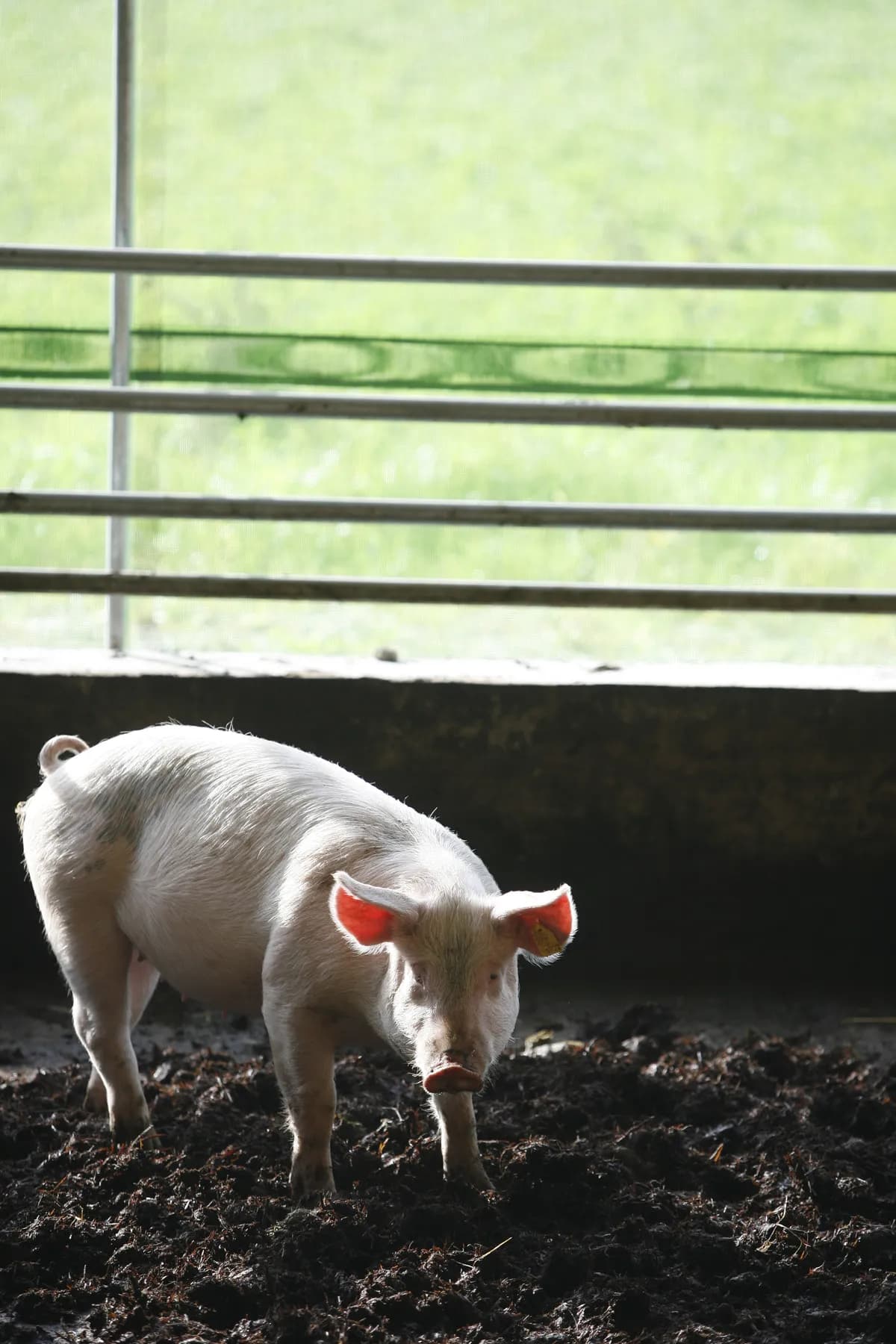
Pigs are the historic mixing vessel host for the generation of zoonotic influenza viruses due to the expression of both avian-type and human-type receptors. There are a number of hosts which carry both types of receptors and can act as a potential mixing vessel host. High vigilance is warranted to prevent the next pandemic caused by animal influenza viruses.
The book 'Animals in China' covers topics including animal cruelty, human-animal relations, dog wars, bear farming, animal agriculture, wildlife protection law, and animal protection NGOs, according to research.