

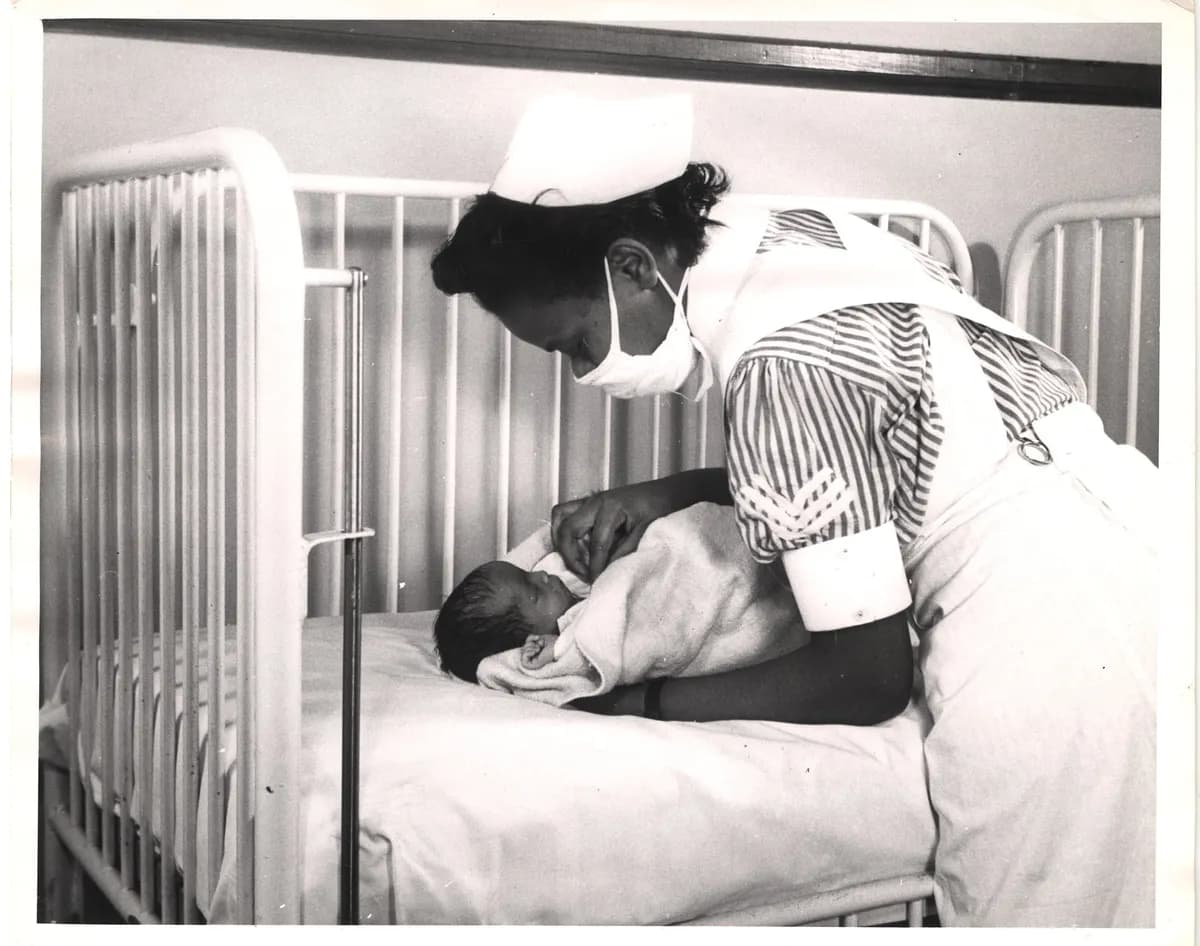
Sweden is among the countries that have come the furthest in the world in saving extremely premature infants, yet many extremely premature infants die despite major efforts, according to multiple reports. Among infants born at gestational week 22, barely half survive their first year, multiple reports indicate. This ethical dilemma is at the heart of new guidance from Smer, which has published a statement with recommendations and ethical guidance to standardize care decisions across the country.
Almost all extremely premature infants get serious lifelong disabilities, with children born in these weeks having an increased risk of somatic, neuropsychiatric, and developmental neurological conditions as well as disabilities, research from three sources shows. Specifically, 75% of children born at 22 or 23 weeks have one or more developmental neurological diagnoses such as cerebral palsy, language disorder, hearing loss or deafness, visual impairment or blindness, according to research. These severe outcomes underscore the challenges faced by survivors and their families, prompting a reevaluation of intervention protocols.
Smer recommends that healthcare should not attempt to save lives at gestational week 21 or earlier, multiple reports state. For infants born at week 22, healthcare should primarily provide palliative care, not life-saving measures, with intensive care considered if the infant appears unusually strong and mature. At week 23, healthcare should more often attempt to save lives, and from week 24, life-saving should be the rule, multiple reports indicate. These week-based thresholds are designed to provide clearer guidance in a previously ambiguous area of neonatal medicine.
Swedish doctors make different assessments of when to initiate life-saving measures for the approximately 50 infants per year born at weeks 22-23, according to Smer. Week 22 has been a gray zone, but it should now be clearer that life-saving measures should not be initiated so early, multiple reports state. A major problem is the medical gray zone, with no certainty about what is best for the child and Swedish law providing no clear answers, multiple reports indicate. There is a gray area for those born at 22-23 weeks, around 50 per year in Sweden, research from three sources confirms.
It wasn't that long ago that all children born extremely prematurely died, research from three sources shows. Advances in healthcare have meant more babies born at 28 weeks or earlier are surviving, according to research. For children born in week 23, the one-year survival rate is 65%, reflecting significant medical progress but also highlighting the persistent risks at earlier gestations.
Smer emphasizes that the child's best interest should be the guiding principle in all decisions about care for extremely premature infants, research from three sources indicates. Individual assessment should always be made and can override general week-based recommendations, according to research.
Smer wants to give parents greater influence, including the right to consent to care, refuse it, or delegate the decision to doctors, multiple reports state. The will of the parents should be taken into very great consideration, with both positions (wanting to avoid suffering or weighing risks differently) being morally acceptable, research from three sources indicates.
Smer wants the government to task the National Board of Health and Welfare with developing national guidelines for when measures should be initiated and for parental rights.
Smer points to the need for better follow-up and support for children and families, as well as more research, multiple reports indicate.
Before week 21, the lungs are so underdeveloped that it will be difficult to survive, according to Anders Castor.
Smer's proposal implies a somewhat more restrictive stance on life-saving compared to today, multiple reports state.
There is dual uncertainty in these situations: medical prognosis is hard to determine, and it is an open ethical question how outcomes should be valued, according to Lena Wahlberg, docent in law and expert in Smer.
Smer's new advice builds on existing 'consensus documents' from 2024, research from three sources shows. Smer's new recommendations aim to clarify one of healthcare's most difficult gray zones, balancing saving lives and avoiding suffering, according to research.
In Sweden, about 300 infants are born per year before week 28 of gestation. Each earlier day and week increases the risk of a range of serious illnesses and disabilities if the infant survives.