

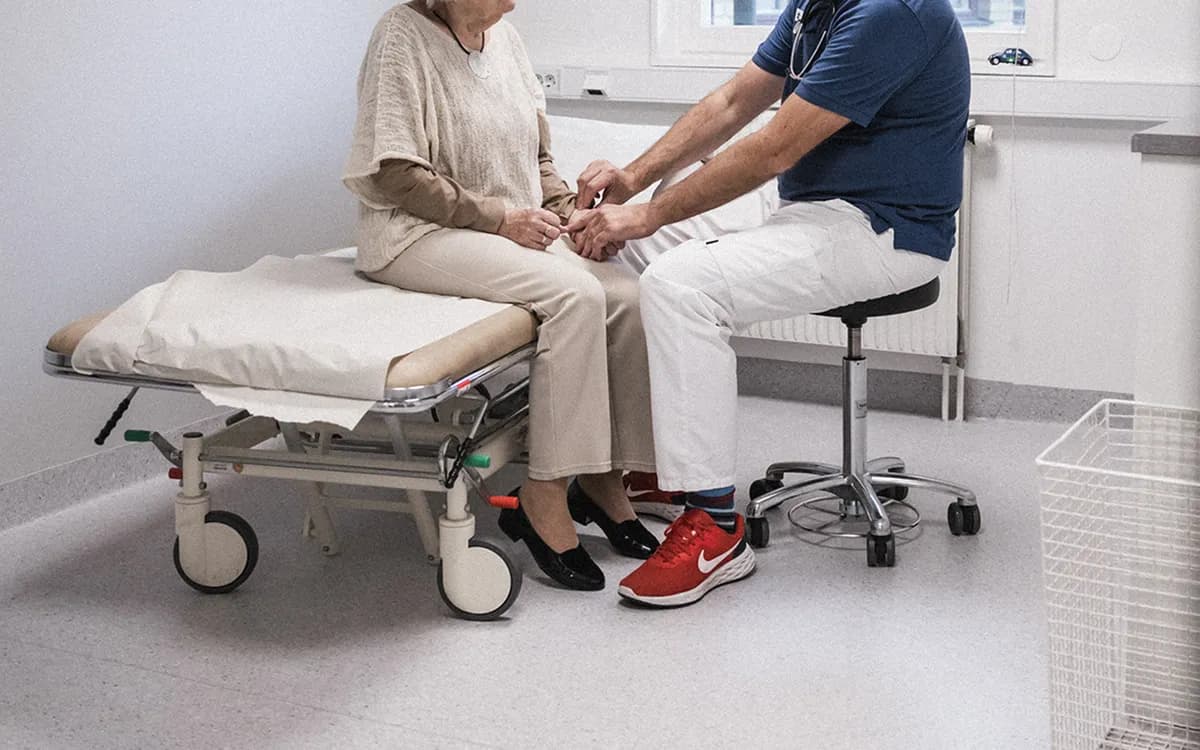
Between 2015 and 2025, the proportion of people aged 80 and older with home care decreased from just over 20 percent to around 16 percent. Because many people stay at home longer, the need for support from home care increases. Sweden's population is getting older, and the number of people over 80 is expected to increase significantly in the coming years.
Trends show that the proportion of people receiving home care before moving to special housing for the elderly increased from 70 percent in 2015 to 79 percent in 2025, while the average extent of home care before such moves has been relatively stable. The median age at moving into special housing is currently just over 86 years, with people with dementia moving in earlier and staying longer than those without dementia. Women move in later than men—87 years compared to 84 years—and also stay longer, at 30 months compared to 23 months.
The length of stay varies between areas with different socioeconomic conditions and is longer in areas with greater socioeconomic challenges. 6 percent of GDP. Despite costs increasing since 2020, the cost per person has decreased slightly on average in fixed prices because more people receive services.
Special housing for the elderly accounts for 57 percent of total costs and drives cost development.