

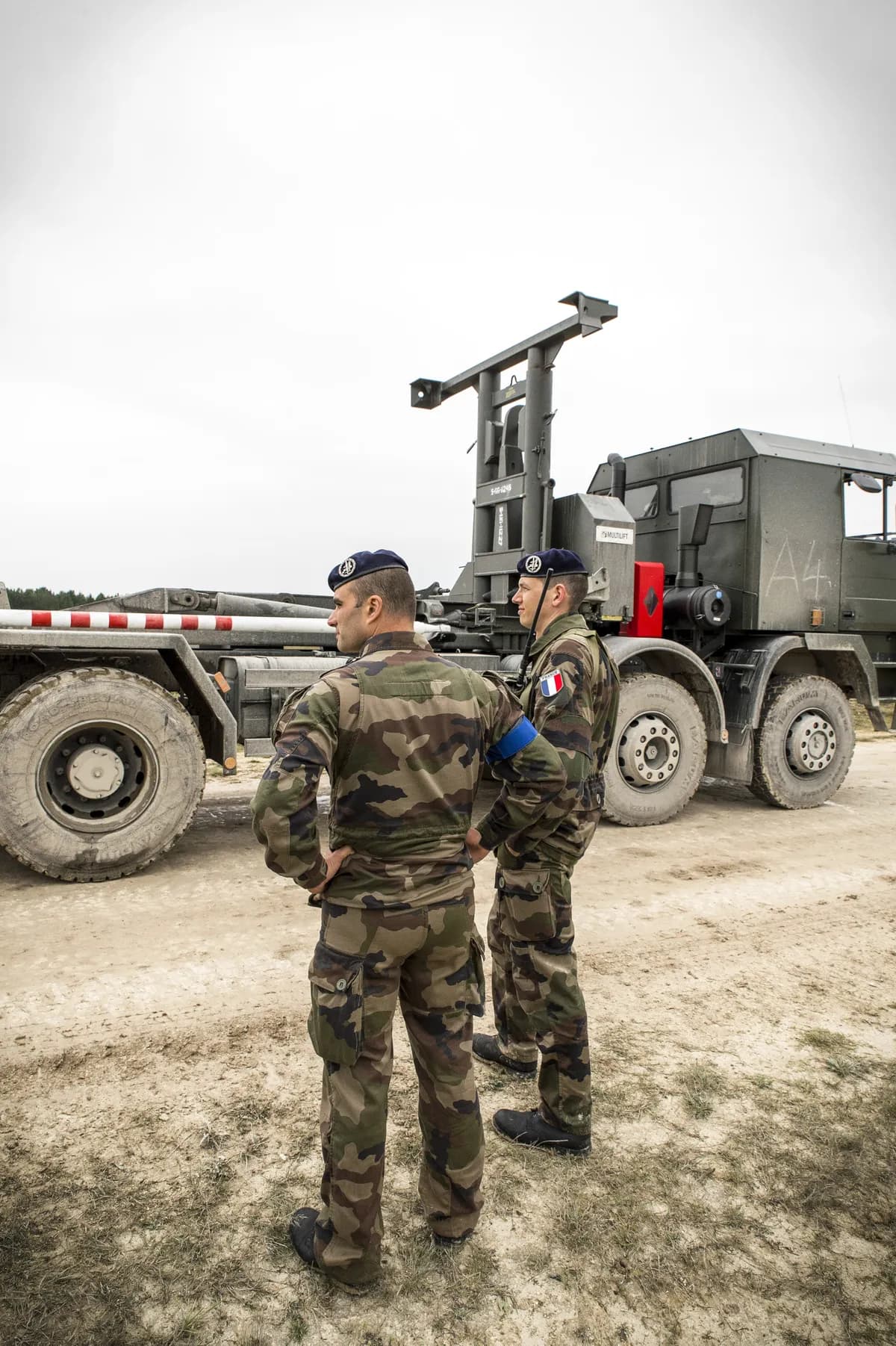
The Aurora 26 exercise, Sweden's largest in several years, began on April 27, according to major media reports. It involves 16,000 Swedish soldiers, sailors, and officers, alongside 1,500 allies from twelve countries, though the specific participating nations have not been disclosed. The exercise is scheduled to last until May 13, but will conclude in the Skåne region on May 5, focusing military activities in that area during the earlier phase.
International contributions include five Apache attack helicopters from the Netherlands. These helicopters will fly low between Ronneby and P7 in Revingehed for several days starting April 24, according to major media. According to Aftonbladet, Marcus Nilsson, communications chief at P7, described the Apache helicopters as a standout feature that will generate noticeable noise during their operations.
They will make noise.
Public warnings have been issued by the Swedish Armed Forces, advising of many military vehicles on civilian roads from April 20 to mid-May, though the total number of vehicles expected has not been confirmed. Apache helicopters may also be seen over northeastern Skåne. This increased activity aims to simulate realistic training scenarios across southern Sweden.
Additional military exercises are underway, including a large exercise at Hagshult airbase that will occur soon, though its exact start date remains unspecified. Over the weekend, the Swedish Armed Forces conducted exercises in Rinkaby, according to multiple reports, but it is unclear whether this was part of Aurora 26 or a separate event. The full schedule of Apache helicopter flights beyond the initial days starting April 24 has also not been released, leaving some operational details unknown.
What stands out are the Apache helicopters, they will make noise.
The scale of Aurora 26 reflects Sweden's heightened defense preparedness amid regional security concerns, integrating allied forces to enhance interoperability. The exercise underscores the country's commitment to military readiness, with activities spanning air, land, and sea domains. Public notifications aim to minimize disruptions while allowing for comprehensive training in populated areas.