

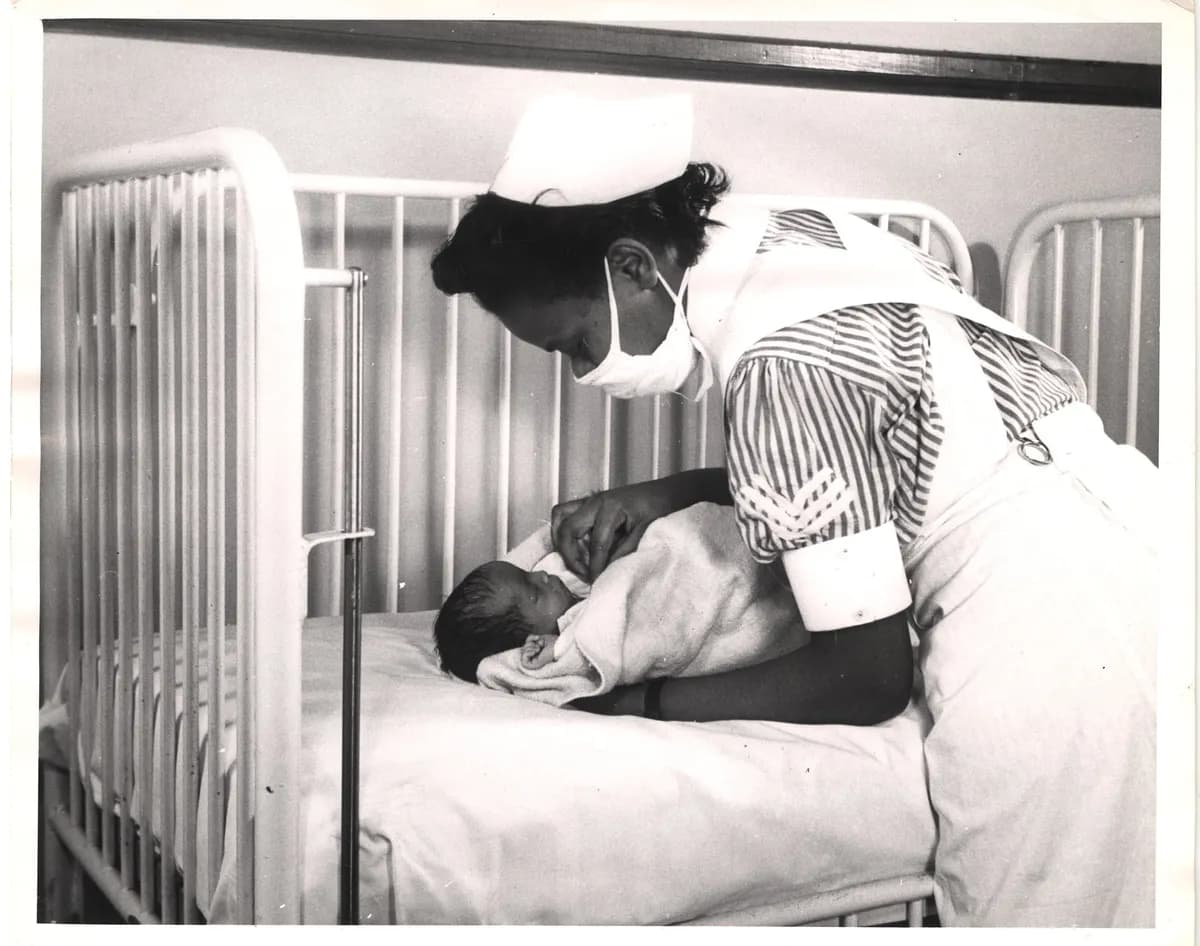
Sweden is among the world leaders in saving extremely premature babies. Approximately 50 babies per year are born at 22-23 weeks gestation in Sweden, and about 300 babies per year are born before week 28. However, outcomes are severe, with high mortality and near-universal disability among survivors.
According to Smer, the survival rate for babies born at week 22 is less than half (45%), while for those born at week 23 it is two-thirds (65%). The survival rate for babies born at week 24 is 70%. Almost all survivors at 22-23 weeks face serious lifelong disabilities, and 75% of survivors at 22-23 weeks have developmental neurological diagnoses.
Earlier birth increases risks of severe illnesses and disabilities. Many extremely premature babies die despite significant efforts. ' At week 22, care should primarily focus on comfort, with intensive care considered only if the baby appears unusually strong and mature.
At week 23, life-saving efforts should be more common. Smer recommends no life-saving attempts at week 21 or earlier. From week 24, life-saving should be the rule.
These recommendations represent a slightly more restrictive stance compared to current practice, clarifying that week 22 should not involve life-saving interventions. However, Smer emphasizes that weeks are not the sole factor in decisions, and individual assessment must always override general guidelines. Medical uncertainty exists in these decisions, and Swedish law provides no clear answers.
Smer stresses that ethical analysis is needed to complement legal rules and underscores that both positions on intervention (for or against) are morally acceptable. Smer emphasizes parental influence, including the right to consent to or refuse care, or delegate decisions to doctors. To address inconsistencies, Smer calls for national guidelines from the National Board of Health and Welfare for increased uniformity in care.
The council also calls for better follow-up and support for families and more research. The specific changes to current practices remain unclear, as does how national guidelines will be implemented. A contradiction has emerged: Akademiska sjukhuset in Uppsala has routinely provided intensive care at 22 weeks and stated it does not intend to change its practice, highlighting the lack of uniformity Smer aims to address.
The exact survival and disability rates for babies born at weeks 21 and earlier are not specified, and it is unknown how parental decisions typically align with medical recommendations. Smer's guidance is rooted in data and ethical deliberation, reflecting Sweden's advanced neonatal care while acknowledging challenges at the limits of viability. The recommendations aim to provide a clearer ethical compass for clinicians and families, balancing survival potential with quality of life.
The call for national guidelines and enhanced support indicates a broader systemic approach to improving outcomes and consistency across Sweden.