

The calculations apply to the period 2071–2100 compared to the reference period 1981–2010, with the intervals in the numbers depending on the size of greenhouse gas emissions. 5, characterized by continued high emissions of carbon dioxide. The growing season is projected to start earlier across the entire country, with the largest change—up to two weeks earlier—in southern and southeastern Sweden.
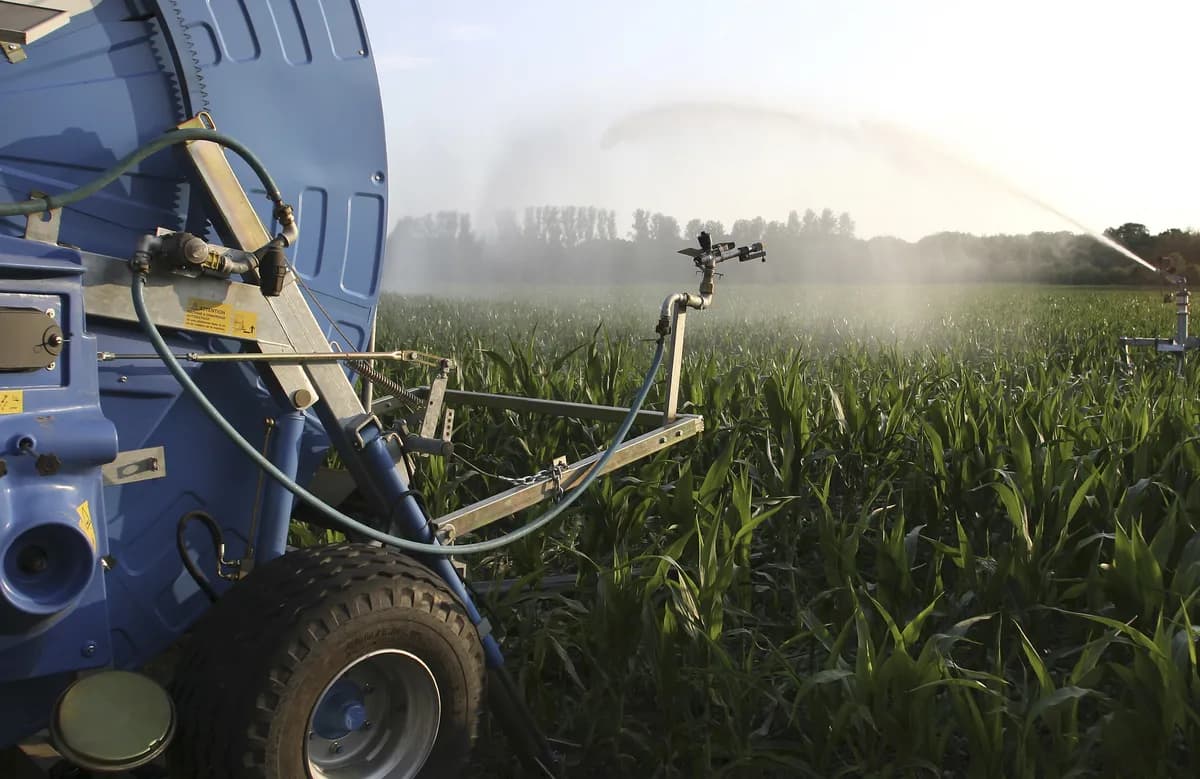
The number of days when crops do not receive enough water via rainfall is expected to increase, with the largest increase in days with water deficit seen in the southeastern part of the country, with between 10 and 35 more days with water shortage. The number of dry years is also expected to increase. Irrigation needs are projected to increase by between 58 and 116 percent compared to current needs.
The average annual irrigation need for all of Sweden is projected to be between 900 and 1,200 million cubic meters of water. The higher figure (1,200 million cubic meters) corresponds to more than half of Sweden's current water usage. Climate adaptation and efficient water management are needed to meet the water needs of agriculture, the rest of society, and nature in a warmer climate.
For the calculations, data from SMHI's Climate Scenario Service and SMHI's hydrological model for Sweden, S-HYPE, were used. Specific policy measures or actions to achieve this have not been detailed. The economic costs or investments required to address the increased irrigation needs and water management challenges remain unclear, as do the potential social or environmental consequences if water needs are not adequately met.