

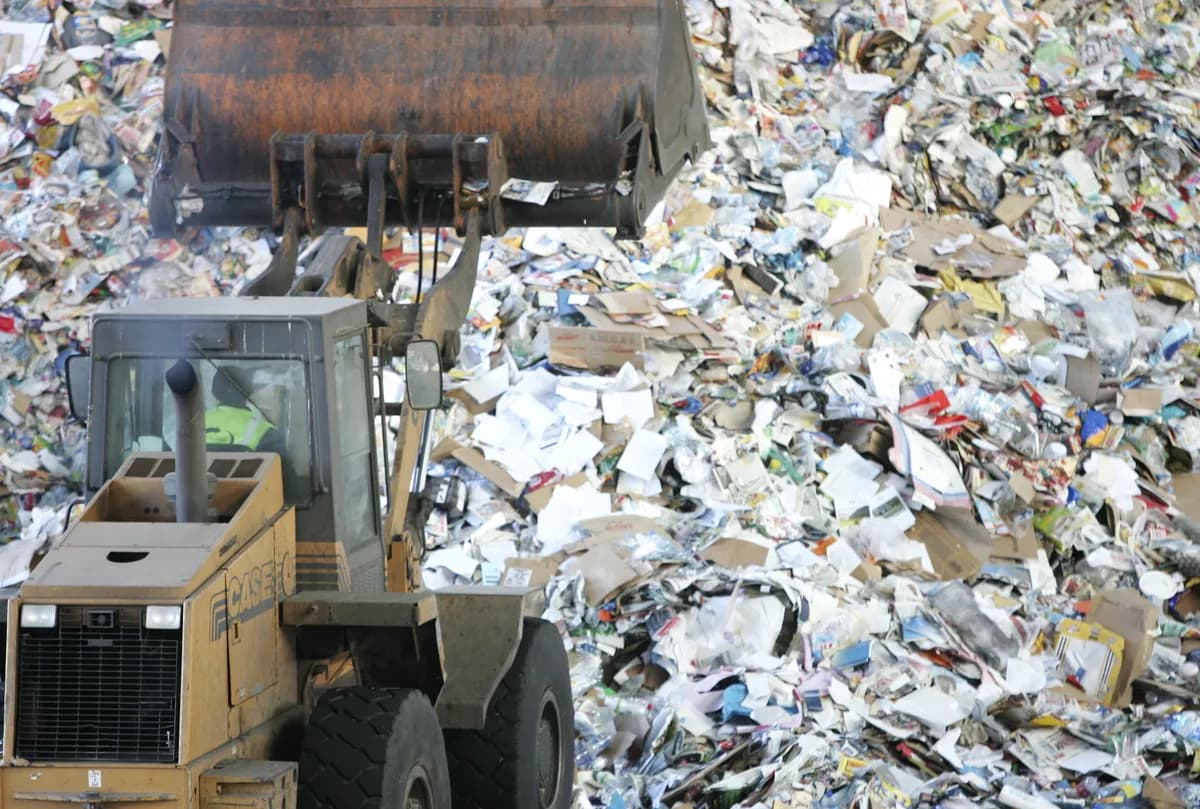
The Suwung landfill stopped accepting organic waste from 1 April, according to AFP, triggering immediate disruption. Residents have turned to burning rubbish and dumping it on roadsides, in rivers, and in public spaces.
According to AFP, the Suwung landfill, Bali's main disposal site situated in Denpasar, has been in operation since 1984 and typically receives between 1,000 and 1,200 tonnes of waste each day.
However, Bloomberg reported that inspections have found daily volumes sometimes reaching 1,800 tonnes, far surpassing its operational capacity and raising alarms about structural integrity. Plans to permanently shut the landfill have been repeatedly postponed; AFP noted that deadlines previously set for before the 2022 G20 summit were missed, and the closure has been pushed to early 2026. Local media reported that in March 2025, authorities briefly closed Suwung and reopened it within 24 hours, causing confusion as garbage trucks had nowhere to offload.
The restrictions, which came into force on April 1, target only organic waste, according to multiple media reports. Environmental experts and waste management specialists note that decomposing organic matter generates methane, a potent greenhouse gas that significantly increases the risk of fires and landslides at the already overloaded site.
Indonesian authorities are now strictly enforcing long-standing national policies that mandate waste processing at the source and aim to eliminate open dumping across the archipelago. The policy, AFP reported, is intended to compel households and businesses to compost organic material and sort recyclables, thereby reducing the volume of untreated waste reaching landfills.
Neighbourhood collection points in Denpasar and surrounding areas are overflowing, with rotting garbage piling up on streets and blocking drains, according to local media. AFP reported that the burning of waste and its illegal disposal in rivers, ravines, and vacant lots have surged since the restrictions took effect. Residents have reported that the acrid smell of burning plastic and organic waste now permeates many residential streets in the early morning. Authorities have acknowledged struggling to curb this informal waste disposal, with enforcement remaining sporadic.
Sanitation workers told AFP that the new rules have left them with no legal disposal sites, creating a moral and legal bind. I Wayan Tedi Brahmana, a waste collector, described to AFP the impossible dilemma of being criticized for not collecting rubbish while having no place to bring it. Research indicates that the accumulation of uncollected trash is a growing source of anxiety for Bali's residents. Local health authorities have expressed concern that the piles of refuse could become breeding grounds for mosquitoes and other pests. Ravinjay Kuckreja, a Denpasar resident, told AFP that in his neighbourhood, many households are burning their own waste, pointing out that while each fire seems small, the cumulative pollution adds up significantly.
The toll of the restrictions is increasingly visible in the tourism heartlands of Bali, multiple media reports say. In Kuta, Bloomberg reported that rubbish is accumulating in public spaces, along pavements, and in the vicinity of hotels, with clean-up teams unable to keep pace. Hotel staff and business owners say they are hauling away trash privately, but even those services are now stretched thin. Tourism industry representatives have voiced fears that the unsightly litter could detract from Bali's image as a pristine destination.
Bali generates an estimated 3,400 to 3,436 tonnes of waste per day, a figure that underscores the island's enormous waste management challenge. According to AFP, Indonesia overall produces more than 40 million tonnes annually, and research shows that nationwide waste generation has climbed by 30 percent since 2000 and continued rising through 2024.
Only about one-third of the country's waste is formally managed, Bloomberg reported. Multiple media reports indicate that in Bali, roughly 52 percent of waste is mismanaged, and an estimated 1,000 illegal dump sites are scattered across the island, often in environmentally sensitive areas.
Research has documented that Bali's iconic beaches and coastal waters are persistently polluted with plastic debris, damaging marine ecosystems and diminishing the island's natural appeal. Ocean currents carry plastic waste from other provinces in Indonesia, particularly during the monsoon season, washing it onto Bali's shores, studies show. Rivers across the island, including those that run through populated areas, remain choked with garbage that often goes uncollected for weeks or even months, researchers note. Volunteer clean-up groups that used to organize river and beach sweeps are now overwhelmed by the sheer volume of new garbage.
The growing mounds of uncollected waste and the rise in backyard burning are fueling health concerns among residents and experts, research indicates. Medical experts warn that rotting organic materials attract flies, rats, and other disease vectors, while the smoke from open burning contains fine particulate matter and toxic chemicals, posing respiratory risks, though the long-term health impacts on the local population have yet to be fully studied. Medical experts have noted a potential increase in respiratory complaints linked to the smoke, though formal data collection is ongoing.
Bali has enacted several progressive regulations to combat plastic pollution. A 2018 ban on single-use plastic bags, Styrofoam, and plastic straws was later challenged but ultimately upheld by the Supreme Court, according to research. In 2025, research shows, the island extended its plastic crackdown by banning the sale of small plastic bottled drinking water containing less than one litre.
Bali's landfills, including Suwung, are all operating beyond their designed capacity, which has fueled illegal dumping and intensified the current disposal crisis. Research indicates that processing one ton of waste costs around $100, making waste reduction through source separation and composting the most cost-effective strategy. However, officials have not yet specified which alternative waste processing facilities will be operational by the time Suwung is scheduled to close, and they have not released detailed enforcement plans to combat the surging illegal dumping and burning.