

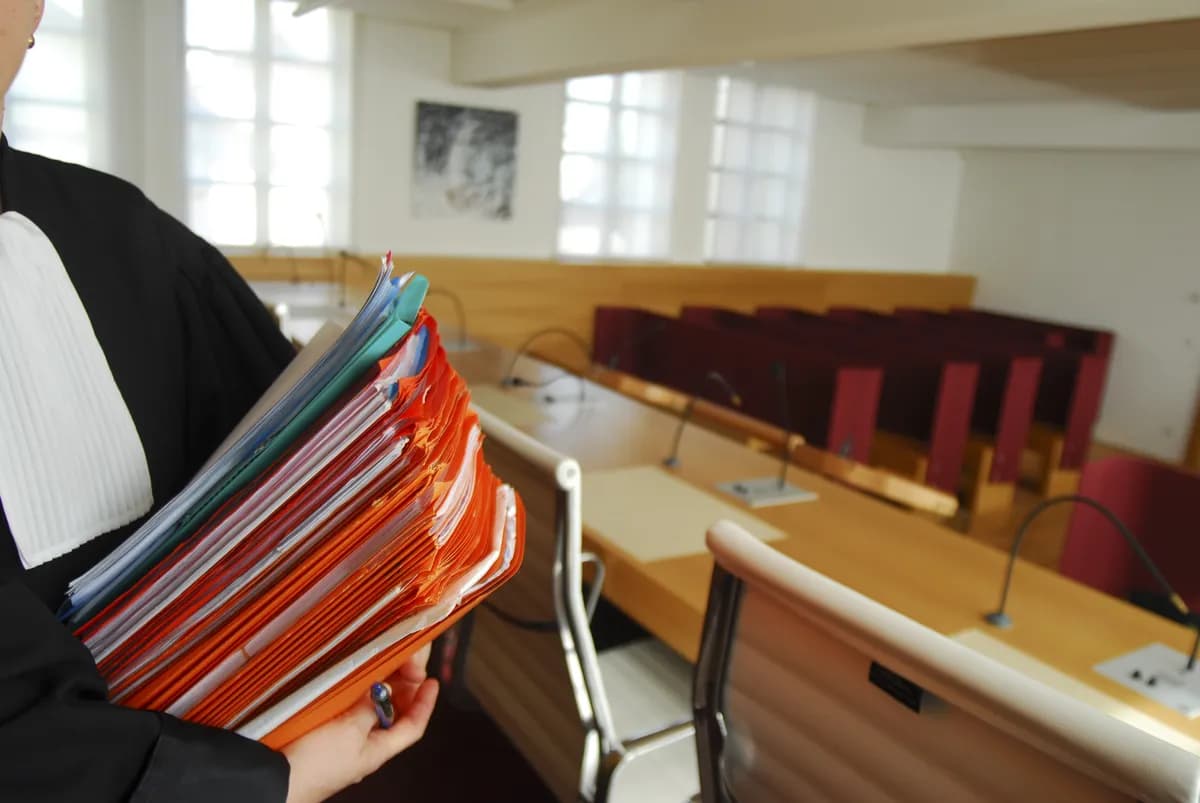
The U.S. Supreme Court has begun hearing arguments over the constitutionality of President Donald Trump's order to end birthright citizenship for children born in the U.S. to someone in the country illegally or temporarily. Trump signed the birthright citizenship order on Jan. 20, 2025, the first day of his second term. He is the first sitting president to attend oral arguments at the Supreme Court, leaving after 90 minutes during the hearing.
Every lower court to have considered the birthright citizenship issue has found the order illegal and prevented it from taking effect. A definitive ruling by the Supreme Court on birthright citizenship is expected by early summer.
The Supreme Court's conservative majority appears ready to let Trump's administration resume blocking asylum seekers at overwhelmed border crossings. A decision on the asylum policy case is expected this summer. Under Trump's first administration, immigration officials could stop people seeking asylum from crossing while indefinitely declining to process their claims, a move described as a 'turnback'.
Trump was accompanied by Cabinet members including Attorney General Pam Bondi and Commerce Secretary Howard Lutnick. His arrival at the Supreme Court was met by furious protests.
The Trump administration is asking the Supreme Court to clear the way to end temporary protected status for migrants from multiple countries, including Haiti and Syria. Lower courts have disagreed with the administration on ending temporary protected status, including a judge who found hostility to nonwhite immigrants likely played a role in the decision for Haitians. The Supreme Court has sided with the Trump administration before on terminating protections for Venezuelans.
The Supreme Court's eventual ruling is expected to bring clarity not just to these two cases, but also to several other lawsuits filed in response to the administration's changes to the Temporary Protected Status program. The Supreme Court's decision could hold significant consequences for immigration policy.
The Temporary Protected Status (TPS) program enables certain non-citizens to temporarily live and work legally in the United States. It was established in 1990 through Title III of the Immigration Act. The Immigration Act empowered the attorney general – in consultation with appropriate agencies of the Government – to designate countries as unsafe to return to, whether because of war, natural disaster, or other extraordinary and temporary conditions. The authority to designate TPS transferred to the DHS secretary soon after the Department of Homeland Security was created in 2002.
When the DHS secretary designates a country for TPS, nationals of that country living in the U.S. can apply for temporary protection from deportation and temporary authorization to work. Individuals who receive TPS protections are often described as having been granted TPS or having received TPS. A country's TPS designation lasts six, 12, or 18 months, at which point the DHS secretary reconsiders conditions on the ground and potentially extends the designation, which can be done indefinitely. A TPS holder's protection from deportation and work authorization ends when their home country's TPS designation ends.
As of March 2025, there were nearly 1.3 million people from 17 countries living and working in the U.S. with TPS protections, according to Congress. Over the past year, as the Trump administration overhauled the immigration system more broadly, former DHS Secretary Kristi Noem worked to scale back the TPS program. Former DHS Secretary Kristi Noem announced her intent to terminate TPS status for 13 countries, including Haiti, Syria, Venezuela, and Afghanistan. In these announcements, Noem and other DHS leaders explained their belief that conditions on the ground in these countries no longer meet the threshold for TPS and emphasized that TPS designations are meant to be temporary.
The specific legal arguments being made by the Trump administration to justify ending birthright citizenship under the 14th Amendment remain unclear. It is also unknown how many asylum seekers have been affected by the turnback policy and what the current conditions are at the border crossings. The evidence or criteria the Trump administration is using to claim that conditions in Haiti, Syria, and other TPS countries no longer meet the threshold for protection has not been detailed publicly.
Potential humanitarian impacts and logistical challenges if TPS is terminated for 1.3 million people from 17 countries are uncertain. How the Supreme Court's conservative justices are leaning on the birthright citizenship case, given the reported skepticism during oral arguments, is not yet known.