

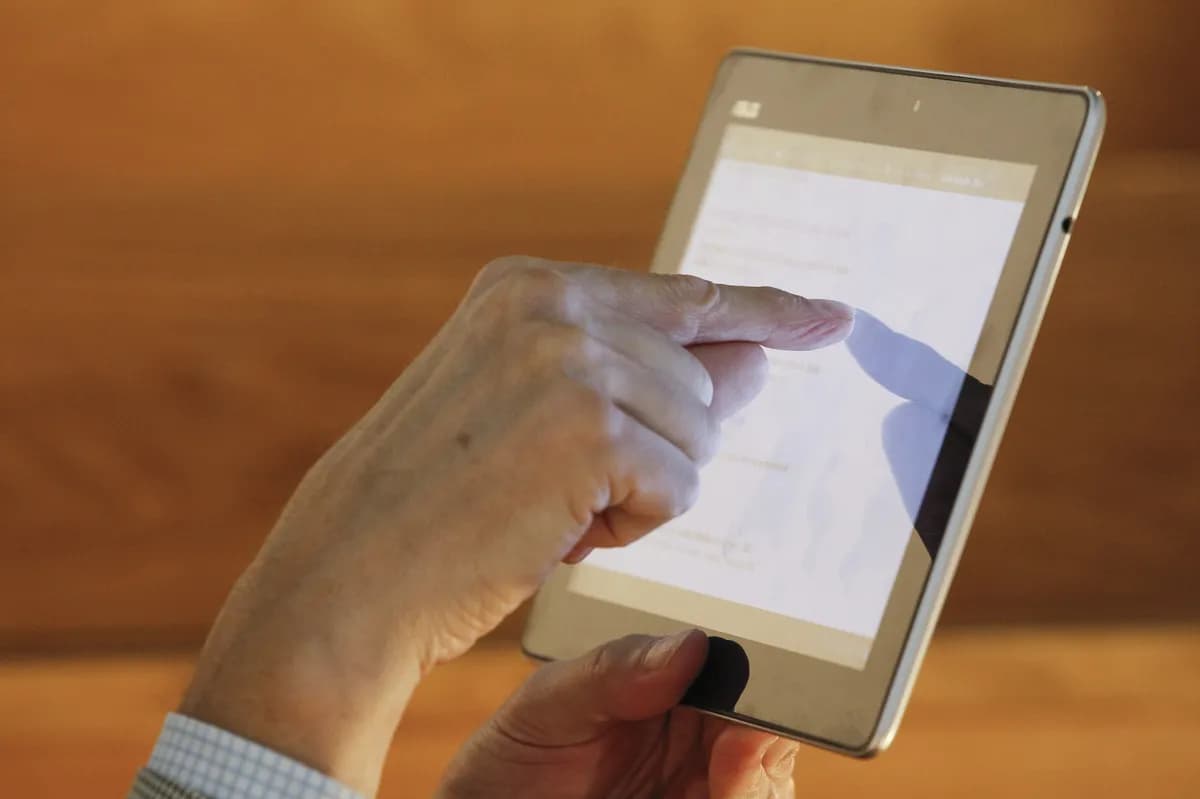
On ward 62, staff use the tablets 70-80% of the time and the regular Cosmic system 20-30%, while on ward 31C, nurses use the tablets about 50% of the time, officials said. According to Region Norrbotten Nyheter, Lisa Burström described the tablets as much more stable and faster than the regular system, with fewer menus, better overview, and fewer clicks. Each patient has a color dot on the tablet for quick status overview.
The tablets are configured specifically for each ward and are wiped with ethanol wipes after each patient contact. If a patient has a stomach virus, the tablet must be left outside the room. A monitor has been installed in the office area to replace the whiteboard, showing patient assignments, locations, and vital signs.
We hope they will be introduced everywhere as soon as possible.
Admission of new patients still requires use of a computer. According to Region Norrbotten Nyheter, Minna Åhl Nilsson expressed hope that the tablets would be introduced everywhere as soon as possible. There is a plan to eventually show X-ray images on the tablets.
The timeline for the pilot's end and a decision on full implementation has not been announced.
Previously, we went out to patients and wrote down vital parameters and other things on paper. Then we went to the computer to enter it. Now we write directly on the tablet.
The tablets are much more stable and faster and you can do most things there. Actually, it's mainly journal notes that we still do at the computer.
Everything goes much faster and easier. It creates less stress and running around. Admission of a new patient, however, we still have to do at the computer.