

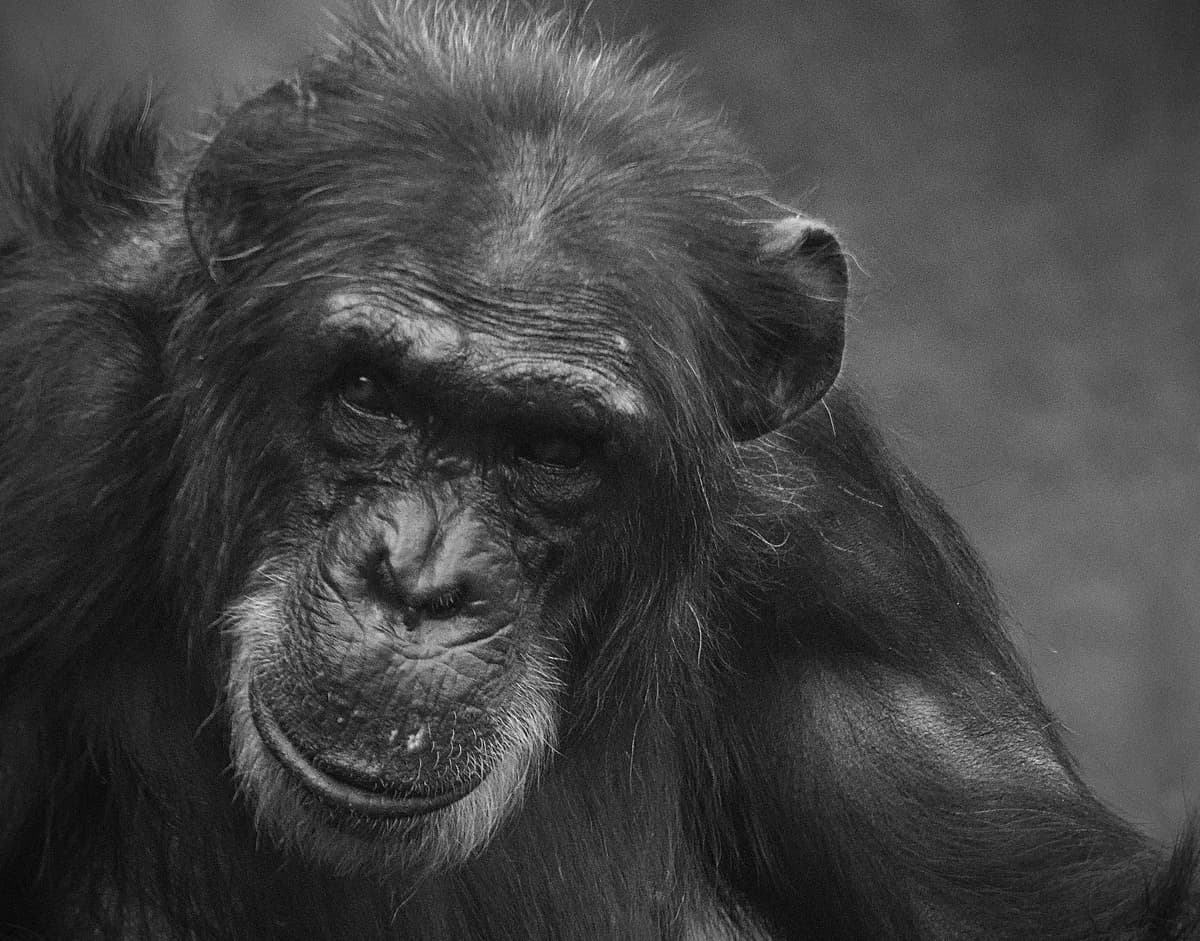
On a June day in 2015, primatologist Aaron Sandel observed a small cluster of the Ngogo chimpanzee group in Uganda's Kibale National Park displaying nervous behavior as other members of the wider group approached. This observation marked the early signs of a fracture that would escalate into sustained violence. The Ngogo chimpanzee group had been socially cohesive from at least 1995 until 2015, but by 2018 two distinct groups had emerged: the western chimps and the central chimps.
In the seven years following the split, members of the western group made 24 sustained and coordinated attacks on the central group, killing at least seven adult males and 17 infants. The attacks were characterized by their organized nature, with multiple chimps working together in aggressive encounters that often resulted in fatalities. Scientists think a similar rupture and civil war may have occurred in the 1970s within the chimpanzee group in Gombe, Tanzania, observed by Jane Goodall.
Cases where neighbors are killing neighbors is more troubling and, in a way, it gets closer to the human condition. How do we have this seeming contradiction within us where we are able to cooperate, but then also very quickly turn on one another?
This historical context suggests such conflicts might not be isolated events among chimpanzees, indicating a potential pattern in primate social dynamics. In the case of the Ngogo chimps, a change in social hierarchies may explain the group's fracture, producing organized aggression and violence. On the day Sandel observed the chimps acting strangely in 2015, earlier that morning, the group's alpha male had grunted in submission to another chimpanzee, signaling a shift in dominance that could have destabilized the group.
The group's social structure had been affected by the death of several key older individuals in the years preceding the division, which likely weakened social bonds and leadership. Key unknowns remain about what specific factors triggered the change in social hierarchies in 2015 and how exactly the death of key older individuals weakened social connections within the group. Researchers are also uncertain about the long-term impacts this civil war will have on the Ngogo chimpanzee population's survival and behavior, including effects on group cohesion and future conflicts.
These shifting group identities and dynamics that we see in human civil war rarely have a parallel in other animals, but they do have a parallel in the case of chimpanzees.
Their abrupt death likely weakened connections among the neighborhoods, which then made the group vulnerable to this polarization that happened when the alpha change occurred.