

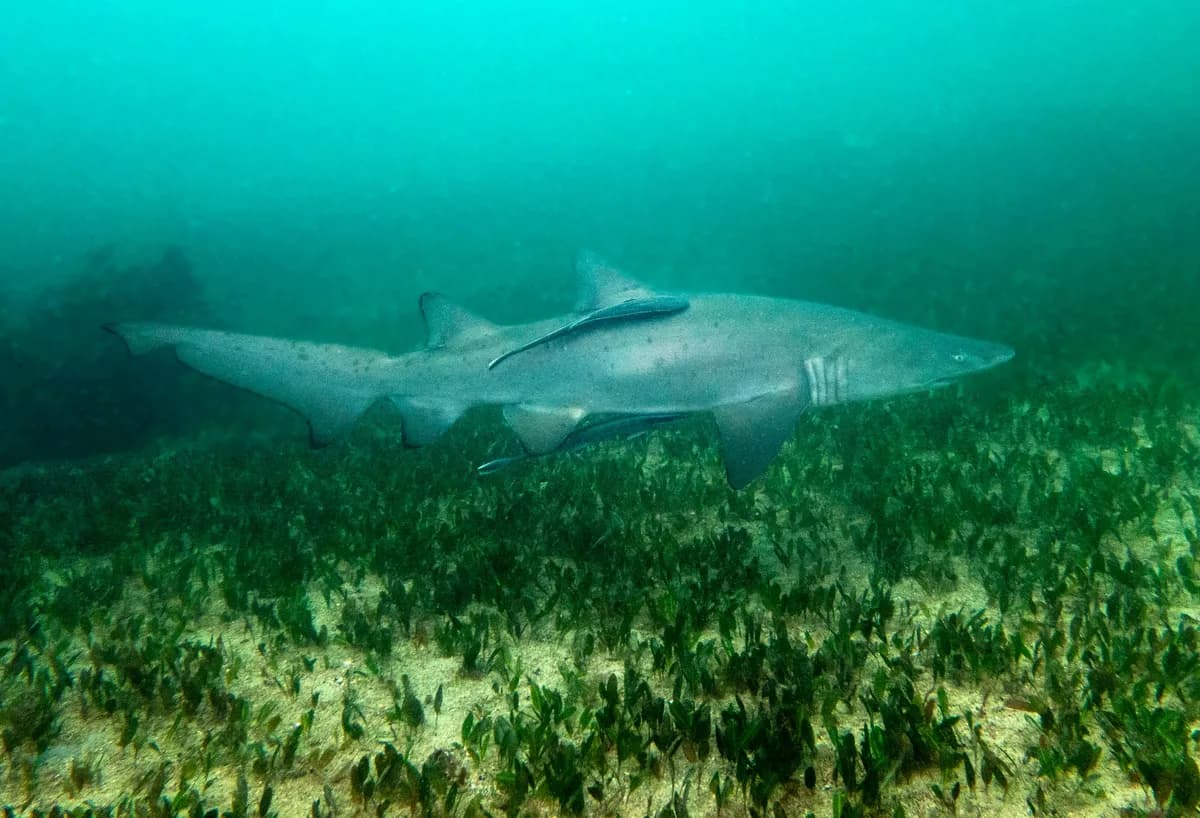
The study, conducted by a team from the Federal University of Paraná, Brazil, tested 85 sharks swimming in waters roughly four miles offshore off the coast of Eleuthera Island in The Bahamas. Around 30 sharks showed traces of caffeine and painkillers, and some tested positive for multiple over-the-counter drugs, with one shark testing positive for traces of cocaine in its system. According to the study authors, this is the first report of caffeine and acetaminophen detected in any shark species worldwide, and the first report of diclofenac and cocaine in sharks from The Bahamas.
Among the specific substances detected, 28 sharks showed signs of substances, including acetaminophen and diclofenac, which are active ingredients in anti-inflammatory drugs. Sharks with substances in their blood showed signs of different metabolic markers, with those exposed to caffeine showing more movement and reaction, similar to the effect on humans. The study noted that these findings indicate sharks are being exposed to various pharmaceuticals and stimulants through their environment.
Researchers identified potential pollution sources, noting that the waters where the sharks were swimming were close to fish farms where divers would operate and near sewage outflow pipes. According to the study authors, the contamination likely results from human activities such as sewage disposal, with sharks potentially exposed when investigating objects in the water. The proximity to these human-made structures suggests a direct link between local pollution and the substances found in the sharks.
The specific health impacts of these substances on the sharks beyond the observed metabolic markers remain unclear, and it is unknown how widespread this contamination is across other shark populations or marine life in The Bahamas. The exact source of the cocaine found in the shark's system has not been determined, and measures to address the pollution sources identified in the study have not been detailed. Long-term ecological consequences from this contamination are also not yet predicted. Further research is needed to assess the full scope of this issue and its implications for marine ecosystems.