

Iran has restricted vessels linked to nations responsible for the conflict from passing through the Strait of Hormuz, and threats against oil tankers have effectively cut off the critical waterway. The Strait of Hormuz carries about 20-25% of the world's oil and gas supply, and the move has sent the cost of oil jumping above $10. Energy shipments from the Middle East are at a standstill due to Iran's threats to attack vessels in the critical trade waterway, with key oil and gas facilities in Gulf states, including a major LNG base in Qatar, also damaged. This disruption has immediately impacted global markets, with Brent Crude oil prices surging well above $100 per barrel. According to UN estimates, oil prices have risen by around 45%, gas by 55%, and fertilizer prices by 35% since late February, and regional inflation could rise to 4.6% in 2026, up from 3.5% in 2025.
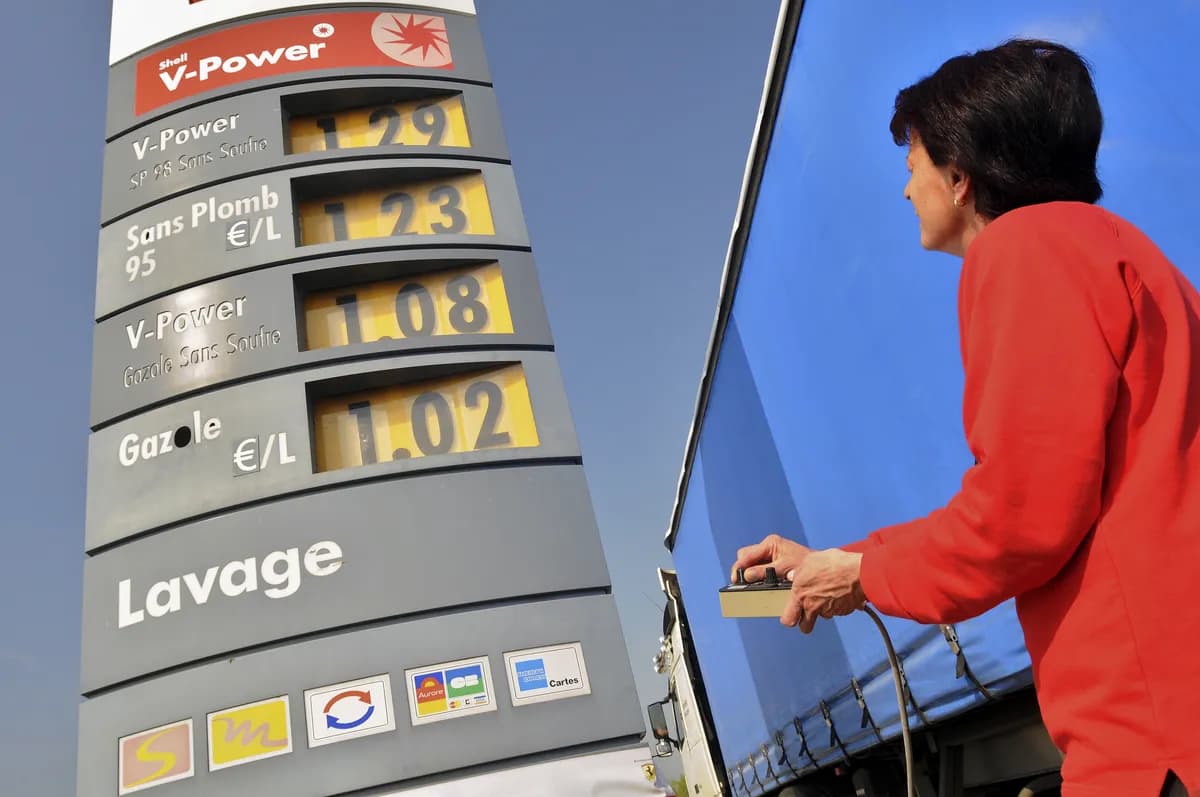
In the United Kingdom, the crisis has manifested in acute fuel shortages and price records. Some independent petrol stations have been forced to shut their forecourts to customers amid a rise in abuse from motorists as fuel prices continue to soar. Supermarkets in Britain have closed some pumps as supplies ran out, and UK forecourts are charging 170.9p per litre for unleaded and 182.9p for diesel. The average petrol cost is 150.11p per litre, and petrol and diesel prices are at their highest rate in more than two years. The Petrol Retailers Association threatened to pull out of a meeting with Rachel Reeves due to concerns about inflammatory language leading to abuse of staff.
Government authorities have responded with warnings and investigations into potential profiteering. Chancellor Rachel Reeves warned petrol firms not to rip-off motorists and asked the Competition and Markets Authority to crack down on rip-off fuel prices. The Competition and Markets Authority will closely monitor pump prices to stop profiteering amid the conflict. In Ireland, enterprise minister Peter Burke said it is unacceptable that forecourt workers are experiencing abuse for fuel price hikes, and the Irish Consumer Protection Commission is investigating claims of price gouging over fuel. The Petrol Retailers Association criticized the government's inflammatory language for encouraging poor behavior.
European nations are particularly vulnerable to the disruption due to their reliance on energy imports. The EU relies on energy imports, making it vulnerable to disruption, with 6% of LNG imports from Qatar via the Strait of Hormuz. In Italy, petrol and diesel prices increased by at least 3% since the conflict started, with peaks of almost +6% for diesel. Italy's government adopted measures to reduce gasoline and diesel prices by 25 cents per liter for 20 days starting March 19.
Independent fuel stations face particular challenges during this volatility. Independent fuel stations are more vulnerable to market volatility due to purchase agreements based on recent prices.
International efforts to stabilize markets include the release of emergency reserves. The International Energy Agency committed to releasing 400 million barrels of oil from emergency reserves.
China, as the world's largest energy consumer, faces significant import dependencies amid the crisis. China uses an estimated 15 to 16 million barrels of oil daily. Gulf countries account for more than 10% each of China's oil imports from Saudi Arabia and Iran, and Russian oil accounts for nearly a fifth of China's energy imports. China is also the world's largest coal producer, accounting for more than half of global production.
South Asia has seen immediate impacts, with governments implementing emergency measures. In Sri Lanka, authorities have introduced fuel rationing and shifted schools to a four-day week. In Pakistan, fuel and grocery prices surged overnight, with long queues at petrol stations.
Key unknowns persist regarding the duration and extent of the disruption. It remains unclear how long the Strait of Hormuz will remain effectively closed, and contingency plans for rerouting oil shipments have not been detailed. The exact extent of damage to key oil and gas facilities in Gulf states is also unknown, complicating projections for supply restoration. Additionally, while investigations into profiteering are underway, such as by the Irish Consumer Protection Commission, verified reports of profiteering by fuel retailers have not been confirmed.
Further unknowns involve government mitigation measures and price stabilization timelines. Specific measures being taken by governments worldwide to mitigate fuel price impacts, beyond Italy's temporary price reduction, are not fully outlined. The projected timeline for fuel prices to stabilize is uncertain, and factors like diplomatic resolutions or reserve releases that could accelerate this remain speculative.
The implications for long-term inflation and economic stability are concerning. Regional inflation could rise to 4.6% in 2026, up from 3.5% in 2025, suggesting prolonged economic strain. Price stabilization will depend on factors such as the reopening of the Strait of Hormuz, repair of damaged facilities, and continued international coordination.