

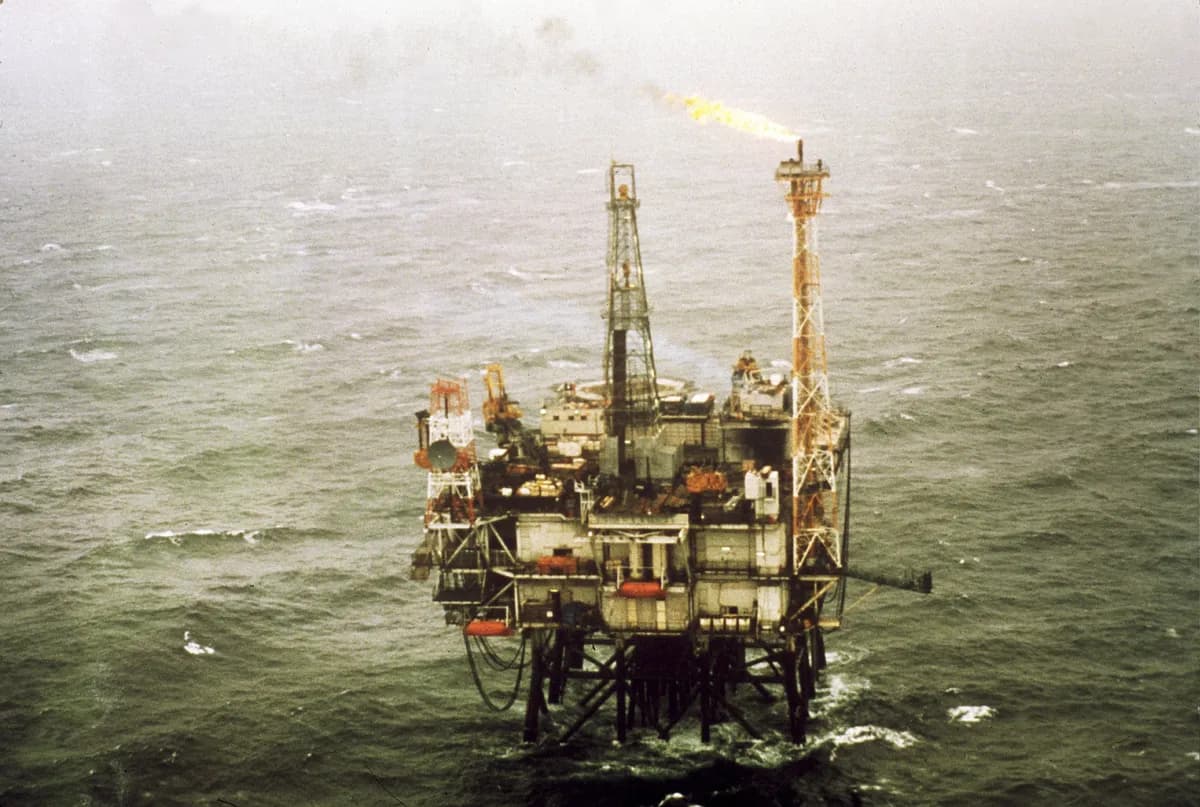
The International Energy Agency has described the disruption caused by the closure of the Strait of Hormuz and damage to regional infrastructure as the largest in the history of the global oil market. S. and Israeli military strikes on Iran, which have sent global oil and gas markets spiraling.
The closure itself has triggered a sharp surge in oil and gas prices, creating immediate turmoil for energy-dependent economies. Oil prices have risen significantly due to the conflict, with reports indicating prices near $100 per barrel, near $95 per barrel, and at points soaring close to $120 per barrel. International prices for liquefied natural gas have jumped more than 50 percent, compounding the energy shock.
The Strait's strategic importance is immense, with about 20-30% of global oil and 20% of liquefied natural gas passing through it. Currently, shipments of oil and gas through the chokepoint are at a standstill due to Iranian threats to tankers, effectively severing a critical artery for global energy supplies. The resulting shock is asymmetric, with energy importers more exposed than exporters, poorer countries more than richer ones, and those with meager buffers more than those with ample reserves.
Economies heavily dependent on oil imports in Africa and Asia are finding it increasingly hard to access supplies, even at inflated prices. China sits in a better position than its neighbours due to years of statecraft preparing it for a global energy crisis. Russian oil accounts for nearly a fifth of China's energy imports, making Moscow by far Beijing's biggest oil supplier.
Furthermore, coal is the dominant source of power for most of China's electricity, and is available in abundance locally. The war has caused serious disruption to the economies of the most directly affected countries, including damage to infrastructure and industries that could become long-lasting. Low-income countries are especially at risk of food insecurity; some may need more external support.
Looking ahead, the global economy is expected to accelerate in 2026, driven by monetary easing across major economies, supportive fiscal policy in regions like Japan and Europe, and rising real wages. Inflation is trending lower across most regions, helping sustain financial market performance. Energy prices linked to geopolitical tensions remain a risk.
3 million customers. The breach occurred due to a vulnerability in the company's online payment system, and the company discovered it on October 15, 2023. The company has notified affected customers and offered free credit monitoring services.
The company stated that no financial information was compromised in the breach. Regulators are investigating the breach and considering potential fines.