

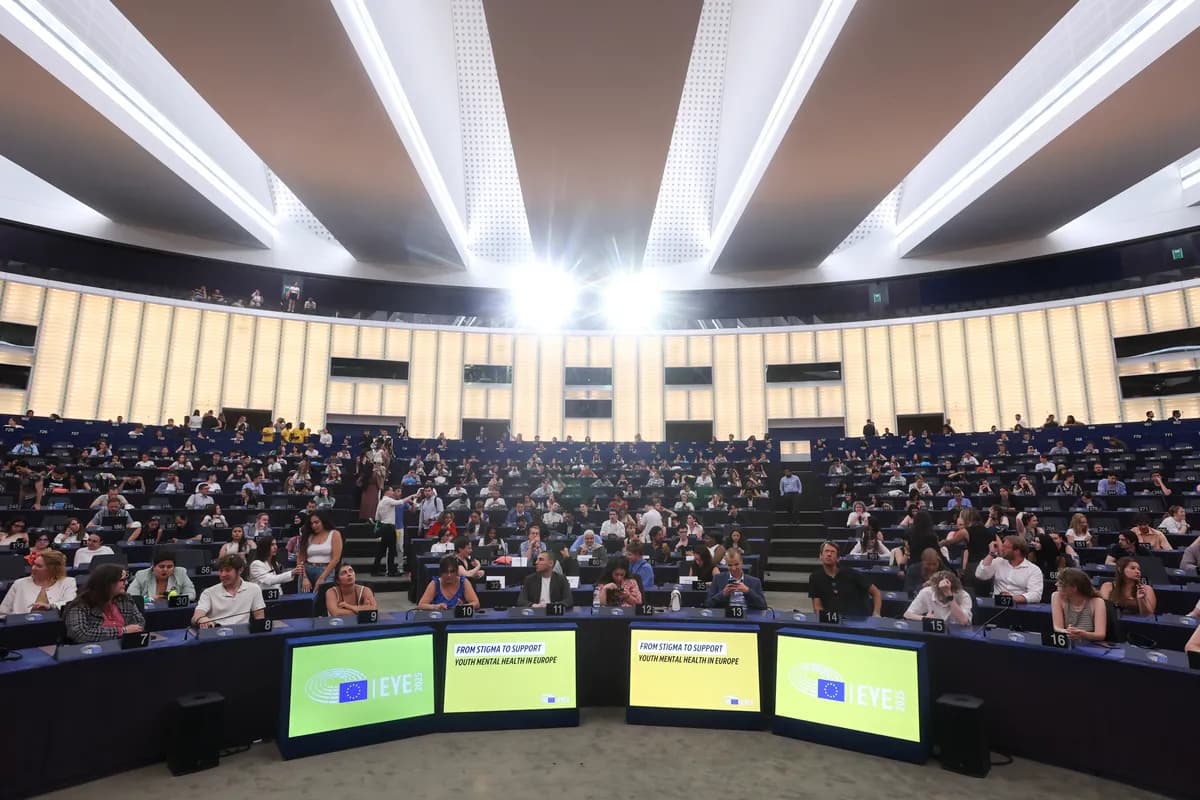
The conference emphasizes youth-focused content, creating space for young people's own voices and addressing their perspectives on education, work, health, and the future. Students from Wisbygymnasiet will contribute a short film titled 'Young people's thoughts on the theme', and young co-researchers will present research on mental well-being. Some program points also concern working life's expectations of its future workforce. According to Inger Svenserud, project leader for SSA-Collaboration at Region Gotland, hosting the conference again is both honoring and inspiring, and she hopes it will contribute to continued SSA work by generating energy from shared experiences and new ideas.
This event is part of a multi-year development effort on Gotland aimed at strengthening young people's opportunities to make well-founded study and career choices. The goal is to develop a model for how collaboration between school and working life can be planned, conducted, and developed long-term, with the conference expected to serve as a lever in that work. Society is changing rapidly, working life is developing at a high pace, and it is becoming increasingly difficult for young people to orient themselves in education and career choices, while working life needs the right competence. Collaboration between school and working life is therefore an important future issue for both young people's opportunities and society's labor needs. Rolf Öström, chairman of the upper secondary and adult education committee at Region Gotland, stated that strengthening young people's faith in the future and meeting competence supply requires common structures and working methods to make collaboration a natural part of everyday life, not just sporadic approaches. Key details such as the expected number of participants, specific targeted outcomes, key speakers, budget sources, and impact measurement methods remain undisclosed.
If we are to strengthen young people's faith in the future and meet the competence supply, it is not enough for school and working life to approach each other sporadically. We need common structures and working methods that make collaboration a natural part of everyday life.